Most people have a pretty simple relationship with their household water. They turn on the tap, fill a glass, wash the dishes, and get on with their day. Water rarely becomes a topic of conversation until something changes. White spots begin appearing on glassware, the bathroom fixtures develop stubborn stains, or the water has an unusual taste that makes everyone reach for bottled alternatives.
These problems can be frustrating, especially when you’re not sure what’s causing them. The good news is that many water-quality concerns can be investigated and managed with the right information. Before spending money on treatment equipment, it helps to understand your water source, identify the issue, and choose a solution that genuinely fits your household.
Understanding What Comes Out of Your Tap
Water quality is influenced by several factors, including local geology, the source of the supply, treatment processes, and the condition of household plumbing. Even homes in the same neighborhood may experience different issues.
Related readingA Smarter Look at Whole-House Water Filtration and Advanced RO Technology
Hard water is one of the most common reasons homeowners consider treatment. It contains higher concentrations of calcium and magnesium, which can leave mineral deposits around faucets, reduce soap lather, and build up inside water heaters. While hardness is generally considered an aesthetic and maintenance concern rather than a direct health risk, it can make everyday cleaning feel like a never-ending chore.
Other problems require a different response. Iron can cause orange or reddish-brown staining, while manganese may leave dark marks. Sediment can make water appear cloudy, and organic compounds may affect its color or taste. Some contaminants, however, cannot be detected by looking at or smelling the water.
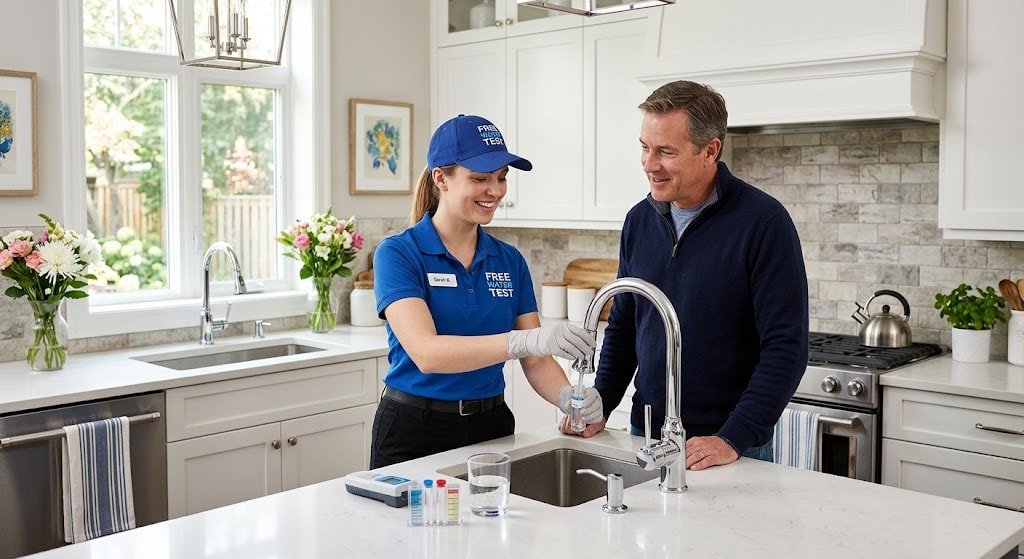
That distinction matters. Water that looks perfectly clear isn’t automatically safe, and unusual-looking water doesn’t always indicate a dangerous contaminant. Reliable testing is the best place to begin.
Related readingCleaner Water Starts With Understanding How Filtration Works
Local Water Sources Deserve Individual Attention
For households in Niles, the first step toward better water quality is understanding whether the property receives municipal water or depends on a private well. Public water suppliers generally monitor their systems and publish water-quality information, which can help residents understand the characteristics of their supply.
Private wells require more direct oversight from homeowners. Groundwater quality can change because of environmental conditions, nearby land use, well construction, or damage to components that protect the water source. A well that has served a family for many years without an obvious problem still needs periodic testing.
If you notice a sudden change in water color, taste, or odor, avoid assuming that a new filter will fix it. The cause might be a plumbing issue, disturbed sediment, or a contamination concern that needs prompt investigation. A suitable laboratory test can help narrow down the possibilities.
Well owners should ask a certified laboratory or local health department about testing for bacteria, nitrates, and other contaminants relevant to the area. If testing identifies a health-related concern, follow appropriate public health guidance while determining the next steps.
Related readingChoosing the Right Water Treatment: From Testing to Reverse Osmosis and UV
Choosing the Right Treatment for the Problem
Once you understand your water’s characteristics, it becomes easier to compare treatment methods. Different systems are designed for different purposes, and no single product removes everything.
A water softener is commonly used to reduce hardness minerals through ion exchange. When correctly sized and maintained, it can help limit scale buildup and make cleaning easier. The right capacity depends on the hardness level, household size, and how much water the home uses.
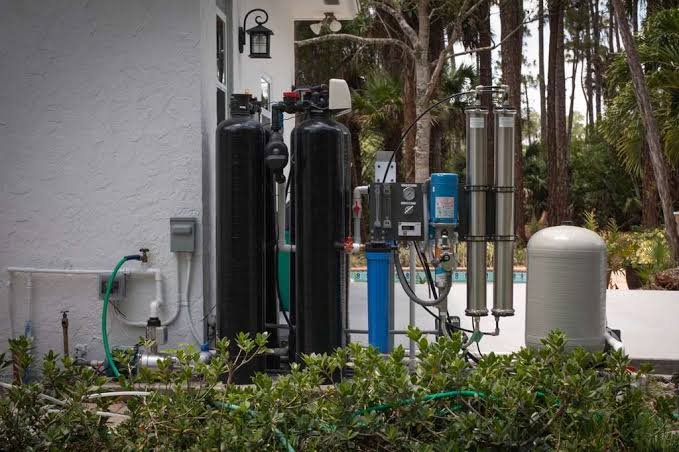
Sediment filtration is useful when suspended particles are present. Activated carbon filters can improve taste and odor and reduce certain substances, depending on the product’s design and certification. Reverse osmosis systems can reduce various dissolved contaminants in drinking water, but their effectiveness depends on the specific equipment and the water being treated.
Related readingBetter Water Starts With Choosing the Right Treatment Approach
Ultraviolet disinfection may be appropriate when a private well has a confirmed microbial concern. UV systems inactivate susceptible microorganisms, but they don’t remove hardness minerals or dissolved chemicals. They also need appropriate sizing, clear enough water, and regular maintenance to perform as intended.
It is worth remembering that more equipment doesn’t necessarily mean better water. A carefully selected system that addresses one identified problem may be more useful than a complicated arrangement of filters that haven’t been matched to the water supply.
Why Household Needs Matter in Edwardsburg
In Edwardsburg, as in other communities with a mix of residential properties, water treatment decisions should reflect the individual home rather than assumptions about the entire area. A property using a private well may need a different approach from one connected to a public water system. Even two well owners living relatively close together can have different water-quality results.
Household size and daily routines also influence the decision. A family with several bathrooms may use much more water during the morning rush than a couple living in a smaller home. Treatment equipment needs enough capacity to handle that demand without creating inconvenient pressure drops or limiting the supply of treated water.
Related readingWhen Your Water Leaves Orange Marks: Understanding Iron and Filtration
Before choosing a system, consider its flow rate, rated capacity, installation requirements, and ongoing service needs. Ask whether the equipment needs electricity, drainage, replacement cartridges, salt, or specialized filter media. These details may seem minor when you’re shopping, but they can make a real difference after installation.
A written recommendation from a qualified water treatment professional should explain which problem the system addresses and why it is suitable. Ask for current manufacturer specifications and any independent certifications relevant to your particular concern. Clear answers are far more helpful than broad promises about producing perfect water.
Looking Beyond the Initial Price
Buying water treatment equipment is a long-term decision, so it pays to look beyond the advertised purchase price. Installation, maintenance, replacement parts, electricity, and consumables can all add to the total cost of ownership.
Request an estimate that separates equipment charges from installation and recurring expenses. Find out how often filters or other components need replacement and whether those parts are readily available. You should also understand the warranty terms and what happens if the equipment needs service.
Be cautious of claims that one device removes every possible contaminant or eliminates the need for testing. Treatment technologies have specific capabilities, and their performance depends on the conditions in which they’re used. A trustworthy provider should be willing to explain both the benefits and the limitations.
If the proposed system seems unnecessarily complicated, ask whether a simpler option could address the same concern. There’s nothing wrong with comparing a few recommendations before making a decision.
Maintenance Is Part of the Solution
Even a good treatment system can lose effectiveness when maintenance is neglected. Filters need to be replaced according to the manufacturer’s instructions, softeners may require periodic checks, and UV systems need lamp replacement and cleaning. Keeping up with these tasks helps maintain performance and can prevent avoidable problems.
Save your original water test results, equipment manuals, installation documents, and service records. If the water changes later, that information gives a technician a useful history to work from.
Retesting is particularly important when treatment is intended to address a health-related contaminant. Better taste or clearer appearance can be encouraging, but neither proves that a system is working correctly. Testing provides more dependable evidence.
A Practical Approach to Better Water
For homeowners in Bristol and throughout northern Indiana, improving household water quality starts with asking the right questions. What is the source? Which characteristics or contaminants have actually been identified? What treatment method addresses them, and what will it cost to maintain?
Those questions help turn a confusing purchase into a manageable decision. Instead of choosing equipment based on a sales pitch or a neighbor’s experience, you can compare options against your own water conditions and household needs.
Water is part of everyday life, and a well-planned treatment system can make that life a little easier. With appropriate testing, realistic expectations, and consistent maintenance, homeowners can make informed choices that support cleaner, more dependable water for years to come.