You know something is going on with your water when a freshly cleaned sink somehow develops an orange ring a day later. The same thing happens around toilet bowls, shower drains, and sometimes even inside the washing machine. You scrub, rinse, scrub again—and somehow the stain comes back.
Iron in household water is often responsible. It’s a common issue, particularly for properties using private wells, and it can be more than an annoying cosmetic problem. Depending on the concentration and form of iron present, it may affect taste, laundry, fixtures, plumbing, and the overall experience of using water at home.
The good news is that iron can often be managed effectively. The first step, however, is understanding what kind of iron you’re dealing with and how much is actually in the water.
Related readingWhat Blue-Green Stains Can Tell You About Your Water
Why Iron Ends Up in Household Water
Iron is naturally found in soil and rock, so groundwater can pick it up as it moves underground. For homeowners using well water, this isn’t especially unusual.
Sometimes iron is dissolved in the water and isn’t visible when you first pour a glass. Once that water comes into contact with oxygen, though, the iron can oxidize and form particles. That’s when the familiar reddish-orange color may appear.
Other types of iron may already be present as particles, while iron-related bacteria can create additional problems in certain water systems.
Related readingChoosing the Right Water Treatment: From Testing to Reverse Osmosis and UV
The important takeaway is that “iron” isn’t one single treatment problem. The form, concentration, pH, flow rate, and other water characteristics can all influence which treatment method works best.
The Trouble With Iron Staining
The most obvious symptom is often staining.
Orange or reddish marks can appear on sinks, tubs, toilets, faucets, and laundry. Light-colored clothing may be particularly frustrating because iron deposits can leave stubborn discoloration that doesn’t disappear with a normal wash.
Iron can also create an unpleasant metallic taste. In higher concentrations, it may contribute to buildup in plumbing and fixtures.
Related readingWhy Better Water Starts with Knowing What’s in It
And while staining is usually what gets a homeowner’s attention first, it’s worth looking beyond appearances. If you’re continually cleaning deposits from fixtures, something in the water is causing the problem in the first place.
Treating the underlying issue is generally more sensible than endlessly cleaning the symptoms.
Why Testing Comes Before Buying Equipment
It’s easy to search online for an “iron filter” and immediately start comparing models. But that can lead you down the wrong path.
Related readingBetter Water Starts With Choosing the Right Treatment Approach
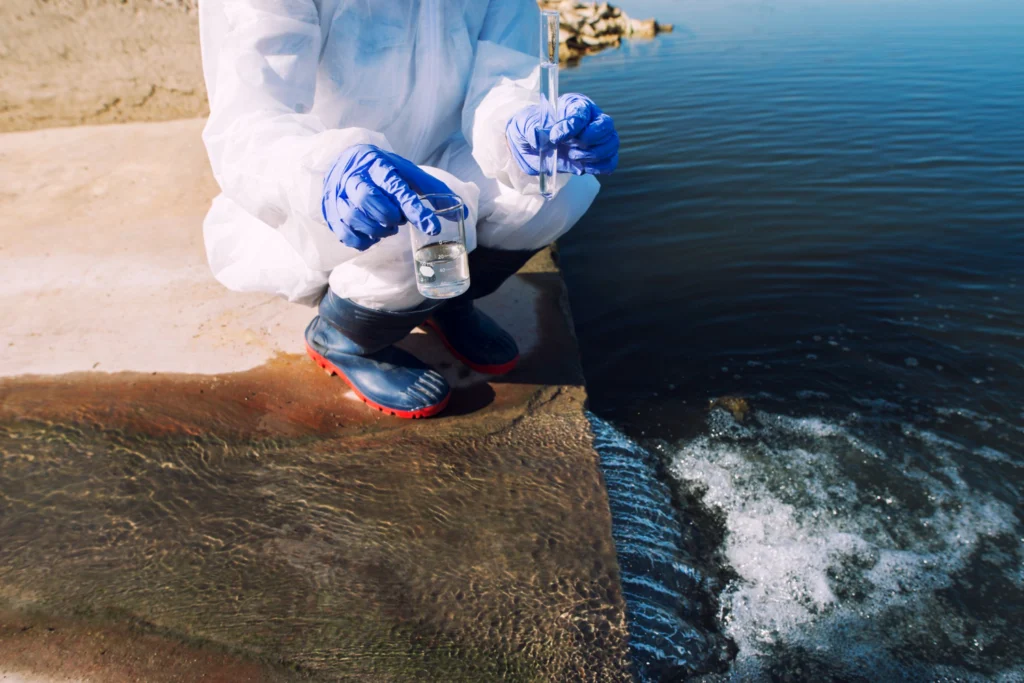
A water test can identify the iron concentration and provide information about other characteristics that affect treatment. You may also discover that hardness, manganese, sulfur, sediment, or pH is contributing to the problem.
This matters because treatment equipment isn’t interchangeable. A system that performs well with one type of iron may not be effective for another.
A free in-home water analysis can be a convenient starting point for homeowners who want professional guidance. Depending on the provider, the process may include testing water characteristics, discussing household concerns, and explaining potential treatment options.
Don’t hesitate to ask questions during the analysis. You should understand what the test shows and why a particular system is being recommended.
Related readingWhy Investing in Better Water Today Pays Off for Years to Come
How Iron Filtration Works
The phrase iron filtration systems covers several different technologies.
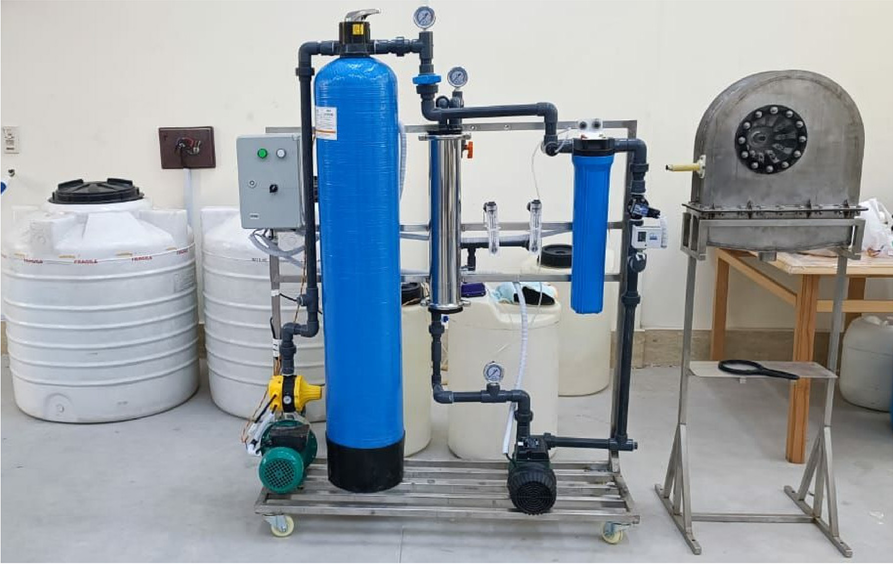
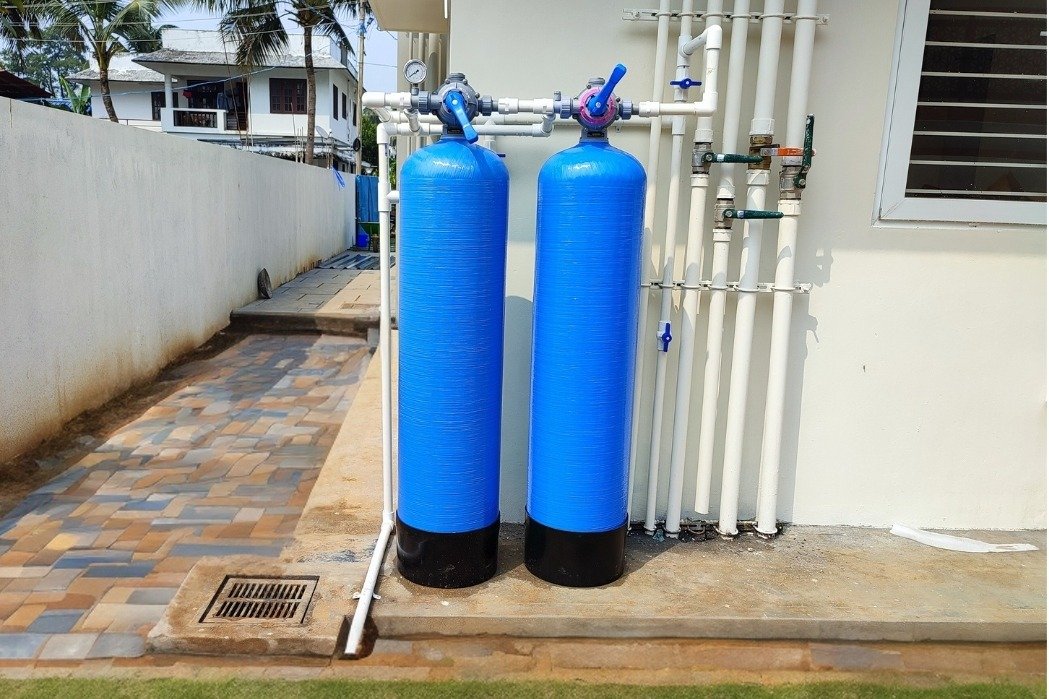
Some systems oxidize dissolved iron so it becomes a solid particle that can then be filtered out. Others use specialized media that captures iron directly. The appropriate approach depends heavily on the water chemistry.
For example, an oxidizing system may use air or another oxidant to convert dissolved iron before filtration. Other systems rely on catalytic or specialized filter media.
The system also needs enough capacity to handle the household’s flow rate and iron load. Choosing equipment that’s too small can lead to poor performance, frequent maintenance, or premature media exhaustion.
This is why professional sizing matters. The biggest system isn’t necessarily the best system either. It needs to match the actual conditions.
What About Iron in Well Water?
Private wells deserve particular attention because water chemistry can change over time.
Groundwater levels can shift, wells can age, and seasonal conditions may influence what enters the water supply. A system that worked perfectly several years ago may eventually need adjustment.
If you rely on well water, periodic testing is a good habit. Don’t wait until the water turns orange to investigate.
Testing can also identify other issues that aren’t visible. Iron may be the most noticeable problem, but it isn’t necessarily the only one.
Protecting Laundry and Household Fixtures
One of the biggest practical benefits of controlling iron is reducing the amount of cleaning and maintenance you have to do.
Imagine washing a load of white towels and finding yellow-orange marks afterward. It’s frustrating, especially when you’ve done nothing differently.
Iron can also build up on showerheads and faucet aerators. Over time, that buildup may affect water flow.
Once the source is properly treated, many of these everyday annoyances can become far less noticeable. You spend less time scrubbing, soaking, and wondering whether a particular cleaning product will finally work.
Small improvement? Sure. But after a few months, you’ll probably appreciate it.
Maintenance Still Matters
An iron treatment system isn’t something you install and forget forever.
Filters need to be cleaned or replaced according to the system design. Media may eventually require replacement. Backwashing systems need adequate water flow and proper settings.
Keep track of maintenance dates and pay attention to changes in water quality. If staining suddenly returns after the system has been working well, don’t simply assume you need a bigger filter. There may be a change in water chemistry or a component that needs servicing.
Regular maintenance is usually much cheaper than ignoring a problem until the system stops working.
Don’t Ignore the Rest of Your Water Chemistry
Iron rarely exists in isolation.
Hardness, pH, manganese, sediment, and sulfur can all influence treatment performance. A system designed around iron alone may not produce the results you expect if another water characteristic is interfering with the process.
That’s why a complete water analysis is so valuable.
Think of it as getting the whole picture instead of focusing on one symptom. If you know what’s happening chemically, you can make a much more informed decision about treatment.
A Cleaner Solution Starts With Knowing the Cause
Iron in household water can be frustrating, but it doesn’t have to become a permanent part of your daily routine.
Start by testing the water. Find out how much iron is present and what form it takes. Check for other water-quality issues at the same time. Then choose a properly sized filtration method that matches those results.
Don’t focus solely on the price of the equipment, either. Consider maintenance, replacement media, installation, warranty coverage, and long-term operating costs.
Most importantly, don’t settle for simply treating the orange stains you can see. Find out what’s causing them.
Once the underlying water problem is handled properly, the difference can be surprisingly satisfying. Cleaner fixtures, better-looking laundry, improved water taste, and fewer hours spent scrubbing the bathroom—that’s the kind of home improvement you notice every day.