There’s nothing quite like turning on the tap and expecting everything to work as it should. You fill a glass, start the dishwasher, or step into the shower without giving the water much thought. But when white mineral deposits keep returning, the drinking water tastes unusual, or appliances seem to need more cleaning than they used to, those everyday routines can become frustrating.
The tricky part is knowing what to do next. Should you install a water softener? Would a drinking-water filter be enough? Is reverse osmosis worth considering, or is the problem something entirely different?
Before spending money on equipment, it helps to take a step back. Understanding your water quality, comparing suitable treatment options, and knowing the likely costs can make the entire process far less stressful. You don’t need to become a water treatment expert; you simply need the right information to make a sensible decision.
Related readingA Smarter Look at Whole-House Water Filtration and Advanced RO Technology
Start With Understanding Your Water Quality
Water can contain a variety of naturally occurring minerals, suspended particles, and dissolved substances. Some affect taste and appearance, while others can contribute to scale buildup, staining, or problems with plumbing and appliances.
Hard water is a common concern in many households. Elevated calcium and magnesium levels can leave chalky deposits on faucets, shower screens, and heating elements. Iron may cause reddish-brown stains, while sediment can collect in plumbing fixtures and interfere with certain equipment.
However, not every water quality issue is visible. Some substances that deserve attention cannot be identified by looking at a glass of water or noticing its smell. That’s why testing is such a useful starting point, particularly for properties using private wells or experiencing unexpected changes in their supply.
Related readingCleaner Water Starts With Understanding How Filtration Works
A water test can help identify relevant characteristics such as hardness, pH, and certain contaminants. The exact tests needed depend on the source and intended use of the water. Once the results are available, a treatment professional can recommend equipment based on evidence rather than assumptions.
This simple step can prevent an expensive mistake: buying a system that doesn’t address the problem you’re actually experiencing.
Why a Free Water Test Can Be a Helpful First Step
Many people delay exploring water treatment because they expect the process to be complicated or expensive. They may have questions about equipment, installation, and maintenance but aren’t sure where to begin.
Related readingChoosing the Right Water Treatment: From Testing to Reverse Osmosis and UV
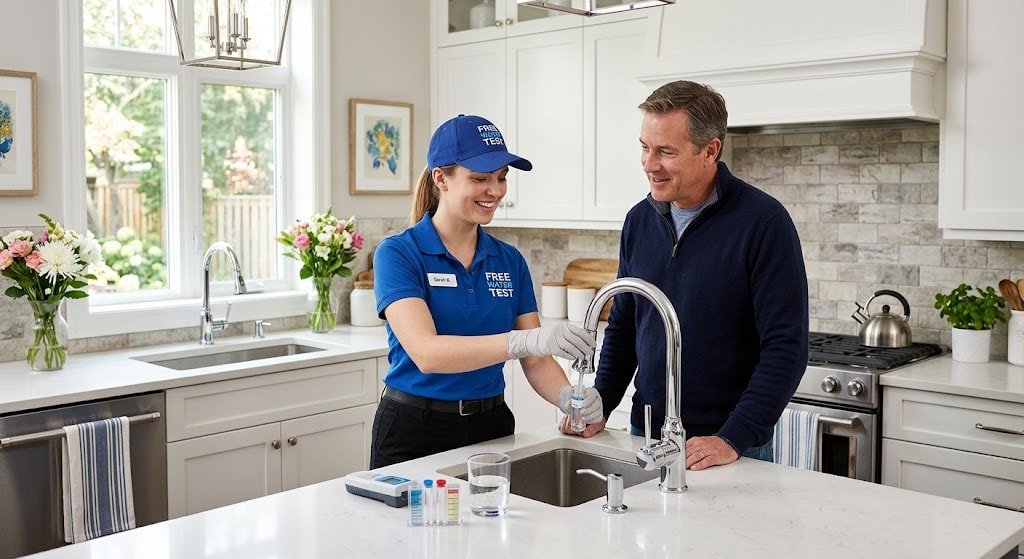
Choosing to schedule your free water test can be a practical way to start, provided the service is genuinely offered at no cost and its scope is clearly explained. It gives you an opportunity to learn more about your water before deciding whether treatment is necessary.
Before booking, ask what the test covers. Some basic assessments focus on hardness, while more comprehensive testing may examine additional parameters. A free screening shouldn’t automatically be treated as a complete safety analysis, particularly if you’re concerned about bacteria, nitrates, arsenic, lead, or other specific contaminants.
Understanding those limits is important. If your water comes from a private well, or if there is a specific health-related concern, you may need laboratory testing appropriate to the potential risk.
Once you have meaningful results, you can discuss which problems require attention and which treatment options make sense. Sometimes, a targeted filter is sufficient. In other cases, the water may need more than one treatment stage.
Related readingWhen Your Water Leaves Orange Marks: Understanding Iron and Filtration
The point is to make an informed decision rather than purchase equipment simply because a salesperson recommends it.
Get a Quote That Reflects Your Actual Needs
After assessing the water, the next question is usually practical: how much will the solution cost?
The answer depends on several factors, including the treatment technology, water consumption, installation complexity, and ongoing maintenance requirements. A compact under-sink filter may involve a relatively straightforward installation, whereas a whole-house treatment system could require additional plumbing work and more space.
Related readingWhat Blue-Green Stains Can Tell You About Your Water
When you get a custom quote, look for a breakdown of the proposed equipment, installation charges, included components, and any recurring service expenses. It should be clear what the price covers and whether additional work could increase the final bill.
For example, a household struggling with hard water may benefit from a correctly sized softener. A family mainly concerned about drinking-water taste might need a different approach. Comparing the prices of these systems without considering their different purposes wouldn’t tell you much about which one offers better value.
Ask about replacement filters, membrane costs, salt requirements where applicable, and recommended service intervals. These expenses may seem small individually, but they add up over the life of a system.
It’s also worth asking whether the equipment has independently verified performance claims for the substances you want to reduce. A higher price doesn’t automatically mean better results, and a lower price isn’t necessarily a bargain if the system fails to meet your needs.
Choosing the Right Treatment for Your Home
Once you understand the water quality concerns, comparing treatment methods becomes much easier.
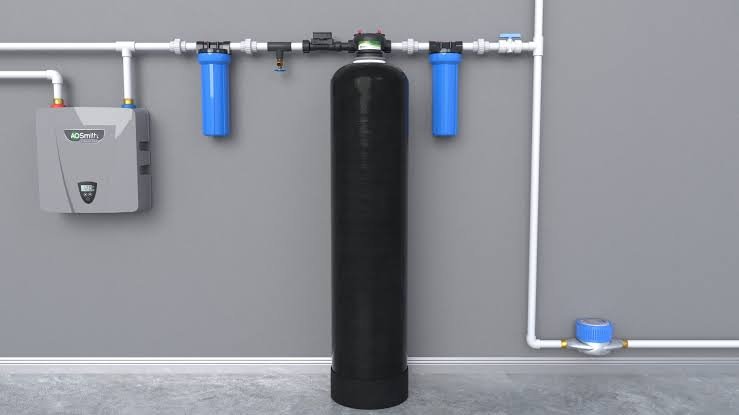
Water softeners are commonly used to reduce hardness minerals through ion exchange. They can help control scale and make cleaning easier, but they aren’t designed to remove every contaminant.
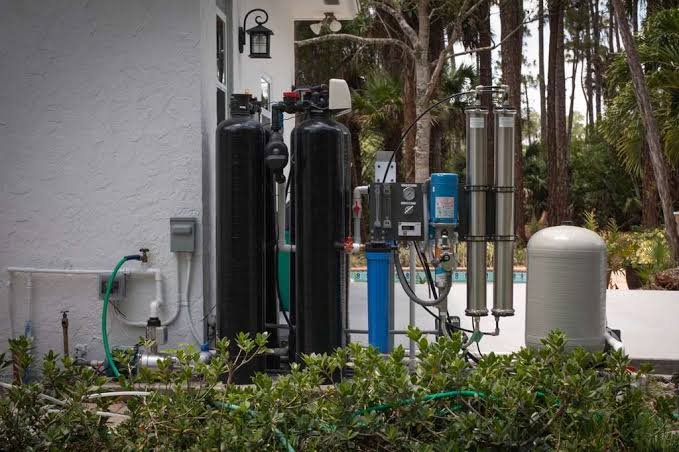
Reverse osmosis systems reduce many dissolved substances by passing water through a semipermeable membrane. They’re often used for drinking and cooking, although their effectiveness varies according to the system design and water conditions. They also require maintenance and produce a wastewater stream.
Other filtration systems may be useful for specific purposes. Sediment filters capture suspended particles, activated carbon can improve certain tastes and odors, and specialized media can target selected contaminants when appropriately designed.
There isn’t one universal solution for every household. Some properties need only a simple point-of-use filter, while others may benefit from combining whole-house treatment with a separate drinking-water system.
Before making a decision, consider daily water usage, available installation space, maintenance expectations, and your budget. A good recommendation should explain why the selected system suits your situation and what it cannot do.
What to Ask Before Installation
Buying the equipment is only part of the process. Installation and aftercare also affect how well the system performs over time.
Ask who will install the unit, whether the existing plumbing needs modification, and how the system will be checked after installation. Find out how often filters or other components need replacement and whether replacement parts are readily available.
You should also receive clear operating instructions. Knowing when to change a filter, check for leaks, or arrange maintenance can help you avoid unnecessary problems later.
If the water quality changes after installation, don’t assume the equipment will automatically correct it. Investigate the cause and arrange additional testing when appropriate. Treatment systems are designed for particular purposes, and their performance depends on suitable operation and maintenance.
A Simple Next Step Toward Better Water
You don’t have to solve every water quality question in a single afternoon. Start by identifying what concerns you, arrange appropriate testing, and review the options with someone who can explain the findings clearly.
If you need more information about testing, equipment, installation, or pricing, get in touch with us to discuss your requirements and understand what services are available. Ask questions, request clear costs, and take the time to compare recommendations before committing to a purchase.
Good water treatment is about more than installing a machine under the sink or beside the main supply. It’s about finding a practical solution that addresses the right problem, fits your budget, and remains manageable over time.
With reliable information and a little planning, choosing a water treatment system becomes much less intimidating. Instead of guessing which product might work, you’ll have a clearer understanding of your water, the options available, and the next steps worth taking.