Water treatment can seem complicated until you separate the different problems that treatment systems are designed to solve. A household may be concerned about bacteria, fluoride, PFAS, unpleasant taste, dissolved minerals, or simply wanting cleaner water at every tap. The important thing is not to assume one filter can handle everything.
Modern treatment options can be combined into carefully designed systems, but the right setup should always begin with testing and a clear understanding of the water entering your home.
Start With the Water, Not the Equipment
Before choosing a treatment system, find out what is actually present in the water. Municipal supplies and private wells can have very different characteristics, and even homes in the same area may experience different issues because of plumbing or water sources.
Related readingCleaner Water Starts With Understanding How Filtration Works
Testing can provide information about hardness, pH, microorganisms, fluoride, metals and other contaminants. Once those results are available, it becomes much easier to decide whether you need filtration, disinfection, reverse osmosis, or a combination.
Buying equipment first and testing later is a bit like buying medicine without knowing what you’re treating. It may work, but it’s hardly the smartest approach.
When Microbiological Filtration Matters
Microorganisms are a different category of water concern from minerals or sediment. Depending on the source, untreated or inadequately treated water may contain bacteria, viruses or other microorganisms.
Related readingWhy Understanding Your Water Conditions Matters More Than You Think
A microbiological filter can be designed to reduce certain microorganisms or particles, depending on its filtration rating and technology. However, not every filter provides the same level of protection. Some systems use physical filtration, while others incorporate ultraviolet treatment or other disinfection methods.
For private wells especially, microbiological testing is important. If contamination is detected, treatment should be selected according to the specific organism and water conditions rather than relying on a generic “purification” claim.
Understanding Fluoride and PFAS Treatment
Fluoride and PFAS have received considerable attention in discussions about drinking-water quality, but they require treatment methods specifically suited to them.
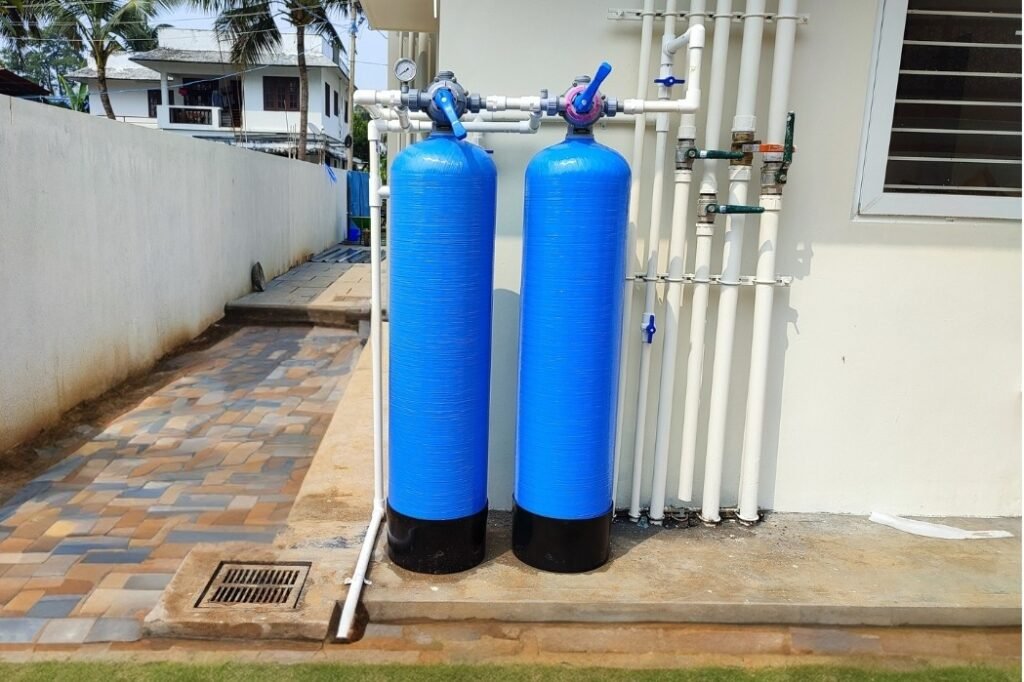
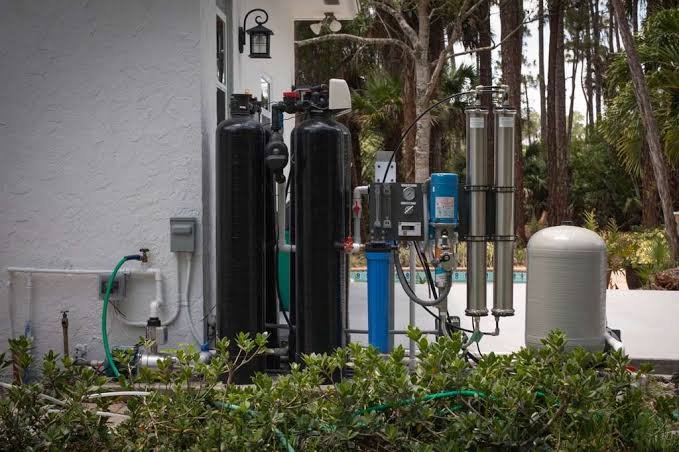
A properly designed whole house fluoride & PFAS treatment system may use specialized media or membrane-based technologies intended to reduce these substances throughout the household water supply.
The phrase “whole house” is important here. A kitchen drinking-water filter treats water at one location, while whole-house treatment addresses water entering the property. That can be useful when the goal is to reduce exposure from multiple household outlets, although the appropriate approach depends on the contaminant concentration and the treatment technology.
Related readingWhat Really Matters When Choosing a Quality Water Treatment System
Always check performance data and independent certifications where available. A filter shouldn’t be considered effective for a contaminant simply because its marketing materials mention that contaminant.
Why PFAS Treatment Requires Careful Selection
PFAS is a broad group of manufactured chemicals, and treatment performance can vary depending on the specific compounds involved.
Activated carbon and reverse osmosis are among the technologies used in different water-treatment applications, but system performance depends on factors such as water chemistry, contaminant levels, flow rate and filter capacity.
Related readingBetter Water Starts With Choosing the Right Treatment Approach
This is another reason laboratory testing matters. If you’re concerned about PFAS, look for a system with documented reduction claims relevant to the contaminants you’re trying to address.
The details may sound technical, but they can make a real difference.
The Growing Interest in Tankless Reverse Osmosis
Reverse osmosis has long been popular for producing treated drinking water, particularly at the kitchen sink. Traditional RO systems often use a storage tank so treated water is available when needed.
A tankless reverse osmosis system takes a different approach. Instead of relying on a large storage tank, it can produce treated water on demand using a compact membrane and pumping system.
For homeowners with limited cabinet space, this design can be appealing. Many tankless units also include monitoring features that provide information about filter life or water quality.
Related readingChoosing the Right Water Treatment: From Testing to Reverse Osmosis and UV
But smaller doesn’t necessarily mean simpler. Tankless RO systems still require filter and membrane replacement, and their performance depends on proper installation and water pressure.
Whole-House Treatment Versus Drinking-Water Treatment
One of the biggest decisions is deciding where treatment is actually needed.
Whole-house treatment can make sense when a contaminant or water-quality issue affects the entire household supply. Drinking-water RO, meanwhile, is often used when the primary goal is highly treated water for drinking and cooking.
There are situations where both approaches can be useful. A whole-house filter might address sediment or specific contaminants entering the home, while a point-of-use RO system provides additional treatment for drinking water.
The right combination depends on the water test and the household’s priorities.
Don’t Forget Maintenance
Advanced treatment equipment still needs ordinary care.
Filters have limited capacities. Membranes eventually require replacement. UV lamps, where used, have service intervals. Whole-house equipment may also require periodic inspection or backwashing.
Neglecting maintenance can gradually reduce performance without producing an obvious warning. Water may still look perfectly clear even when a filter has reached the end of its useful life.
Before purchasing, ask about replacement costs, maintenance schedules and whether cartridges or membranes are readily available.
Look Beyond the Price Tag
The cheapest system isn’t necessarily the most economical one.
When comparing options, consider installation, replacement filters, membrane life, electricity consumption, wastewater and servicing. A system with a higher initial price might cost less over several years if it has efficient operation and reasonably priced replacement parts.
Likewise, don’t pay for treatment you don’t need. If testing shows that a particular contaminant isn’t present, there’s little reason to purchase an expensive system designed specifically for it.
Better Water Comes From Better Decisions
Water treatment works best when it is based on evidence rather than fear or marketing.
Test the water, identify the actual contaminants, understand what each treatment technology can and cannot remove, and choose equipment that fits the household. Microbiological filtration, specialized fluoride and PFAS treatment, and tankless reverse osmosis can all play useful roles—but only when they’re properly matched to the problem.
The goal isn’t to create the most complicated water-treatment setup possible. It’s to create a reliable one that provides the level of treatment your home genuinely needs, while remaining practical to maintain for years to come.