Water is one of those things most people don’t think about until something seems off. Maybe there’s an odd smell when you turn on the tap. Perhaps the water leaves white spots on your glasses, tastes slightly metallic, or makes your skin feel unusually dry after a shower. Sometimes the warning signs are obvious. Other times, the water looks perfectly clear while still containing substances you’d rather not have around.
That’s why understanding your home’s water quality matters. Clean-looking water isn’t automatically high-quality water, and buying the first filter you see isn’t always the answer. The right approach depends on what’s actually in the water, where the problem occurs, and how much water your household uses every day.
Start With the Water, Not the Equipment
It’s tempting to shop for a solution before figuring out the problem. A neighbor recommends a filter, an online review praises a softener, and suddenly you’re comparing half a dozen products. But water quality varies significantly from one property to another, even within the same neighborhood.
Related readingWhy Better Water Starts with Knowing What’s in It
Municipal water may contain disinfectants and naturally occurring minerals, while private well water can have its own set of challenges. Hardness, sediment, iron, sulfur, chlorine, lead, and other contaminants may require very different treatment methods.
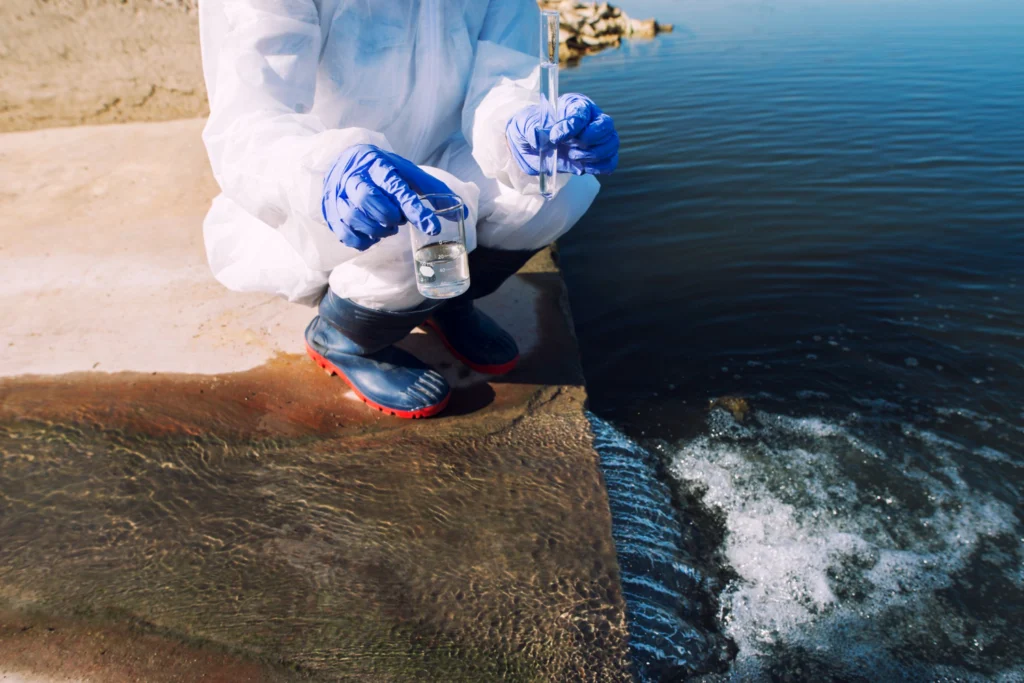
A basic water test can give you a much clearer picture. Instead of guessing, you’ll know what needs attention and what doesn’t. That can save money, too. There’s little point installing a sophisticated system to solve a problem your water doesn’t actually have.
Why Filtration Is Such an Important Part of Water Quality
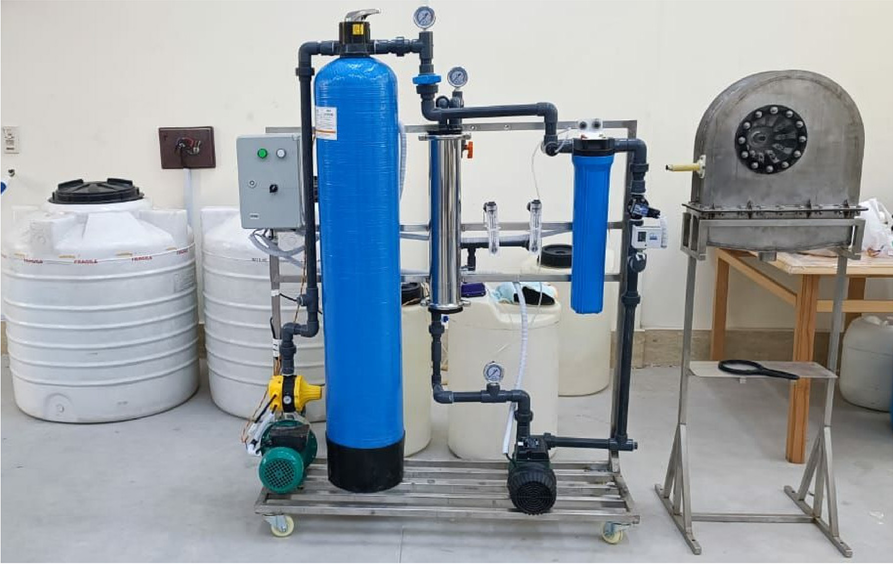
For many households, water filtration is a practical first step toward improving everyday water quality. Filtration can reduce or remove specific unwanted substances, depending on the technology used. Sediment filters, activated carbon filters, reverse osmosis systems, and specialty media all work differently.
That distinction is important. A sediment filter, for example, is useful for particles such as sand and dirt, but it isn’t designed to handle every dissolved contaminant. Carbon filtration can improve taste and odor while reducing certain chemicals, whereas reverse osmosis can address a broader range of dissolved substances.
Related readingWhy Knowing What’s in Your Water Can Make Every Day a Little Better
In other words, “a filter” isn’t one universal solution. The best choice matches the actual water problem.
Treatment Is About More Than Drinking Water
When people hear the phrase water treatment, they often think only about the kitchen tap. In reality, water quality affects nearly every part of a home.
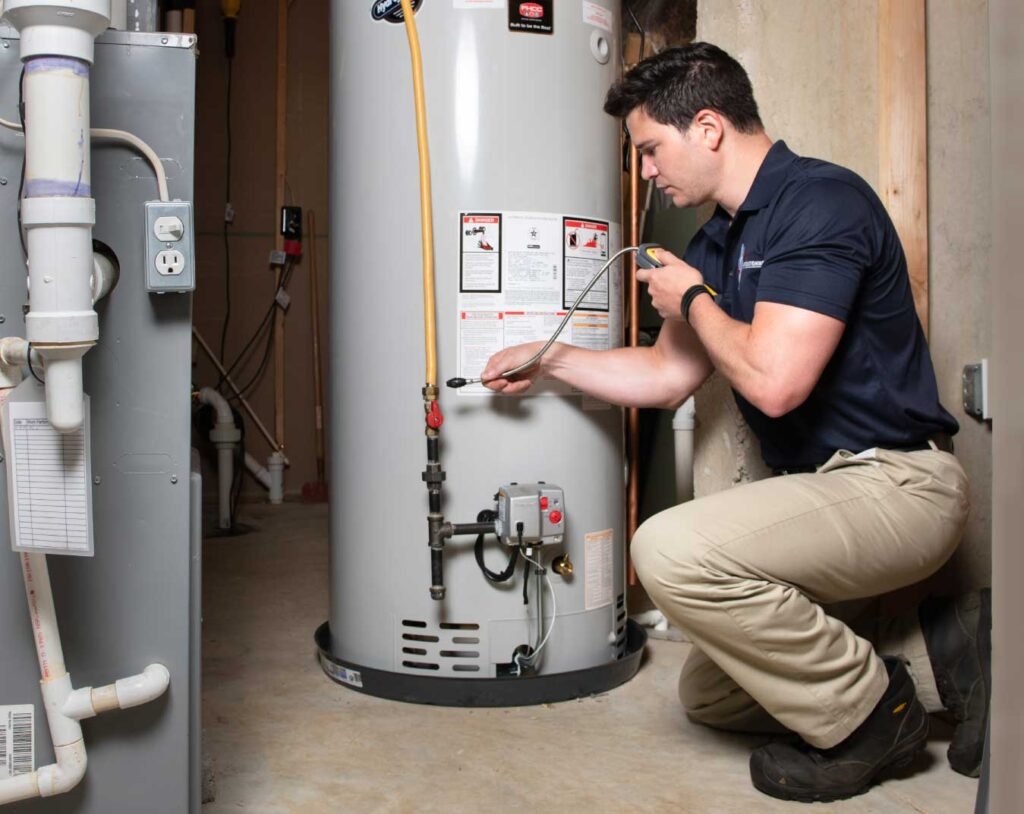
Hard water is a common example. Calcium and magnesium can build up inside plumbing fixtures, water heaters, dishwashers, and showerheads. Over time, that scale can make appliances work harder and may shorten their useful life. It can also leave stubborn marks on sinks and shower doors.
Related readingWhat Blue-Green Stains Can Tell You About Your Water
This is where properly selected water treatment products can make a noticeable difference. Depending on the water conditions, a household might benefit from a softener, whole-home filter, iron reduction system, carbon filtration, or a drinking-water treatment unit.
The goal isn’t to collect equipment. It’s to create a sensible treatment strategy that addresses the actual source of the trouble.
Whole-Home Systems Versus Point-of-Use Treatment
One of the biggest decisions homeowners face is whether to treat water throughout the house or focus on a particular tap.
Point-of-use systems are installed where water is consumed, such as beneath a kitchen sink. They can be a convenient option when the main concern is drinking and cooking water. Reverse osmosis systems are commonly used in this way.
Related readingCleaner Water at the Sink Makes Everyday Life Easier
Whole-home treatment works differently. It treats water as it enters the property, so the water used for bathing, laundry, cleaning, and appliances can also receive treatment.
Neither approach is automatically better. It depends on the issue.
If the concern is a specific contaminant in drinking water, a point-of-use solution may be enough. If the household is dealing with hard water or sediment throughout the plumbing system, whole-home treatment could make more sense.
Don’t Ignore Taste, Smell, and Appearance
Water quality problems aren’t always dramatic. Sometimes the only clue is a change you notice while doing something ordinary.
Related readingChoosing the Right Water Treatment: From Testing to Reverse Osmosis and UV
A chlorine-like taste may come from municipal disinfection. A rotten-egg smell can be associated with hydrogen sulfide in certain water supplies. Brown or rusty-looking water may indicate iron, sediment, corrosion, or plumbing-related issues.
These signs shouldn’t automatically lead to panic, but they are worth investigating. The important thing is to identify the cause rather than covering it up with a temporary fix.
For instance, masking an unpleasant smell with a simple carbon filter might improve the experience at the tap, but if the underlying issue requires a different treatment method, the improvement may not last.
Think About the Entire Plumbing System
Water quality and plumbing performance are closely connected. Even good-quality water can cause problems if the plumbing infrastructure is old or poorly maintained, while aggressive water conditions can contribute to corrosion and other concerns.
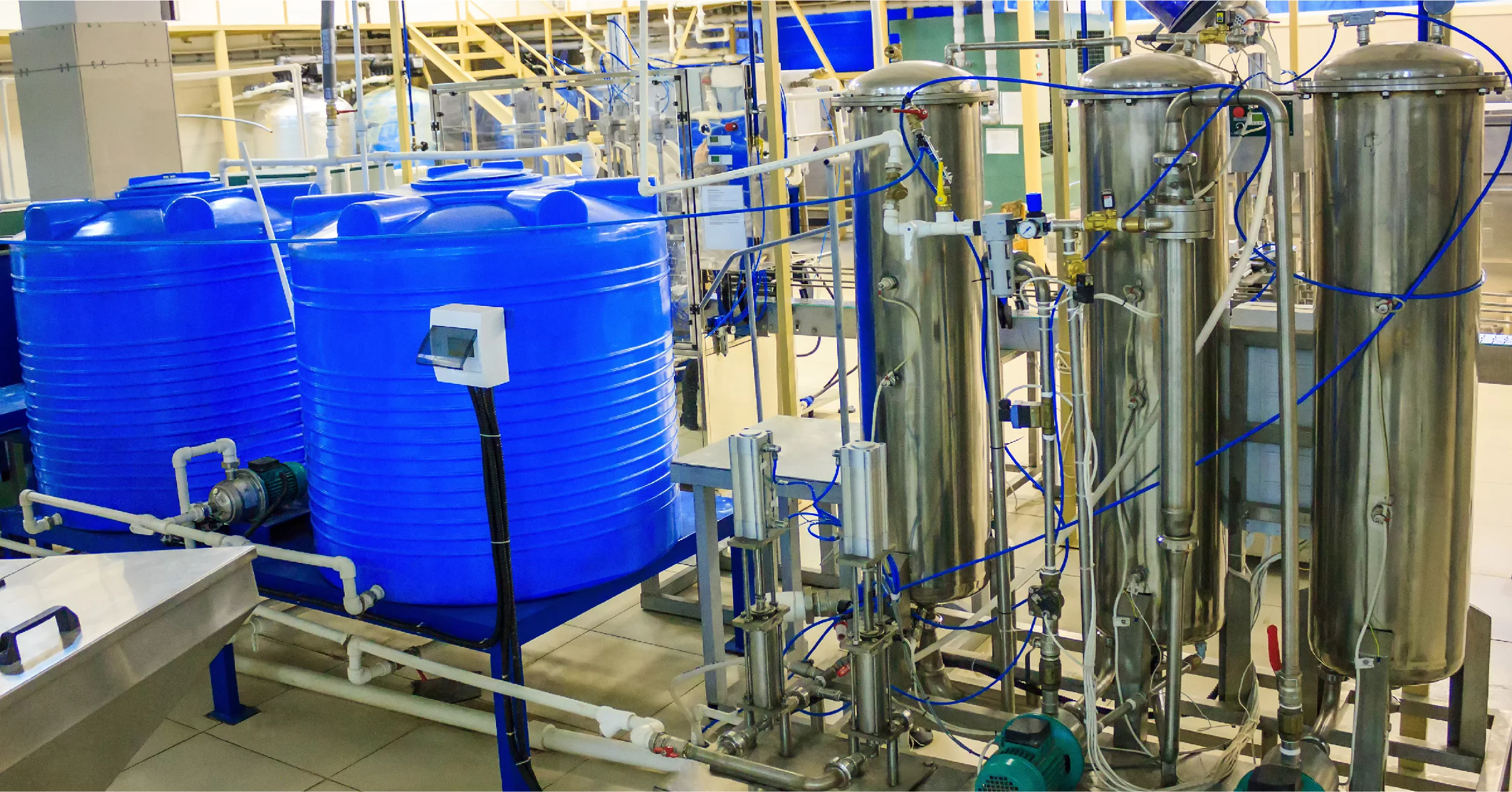
A well-designed home setup may include multiple stages of treatment. Sediment filtration can protect downstream equipment. Carbon filtration may target taste, odor, or certain chemicals. A softener can address hardness, while a drinking-water system can provide additional treatment at a specific tap.
This layered approach is often more practical than expecting one piece of equipment to do everything.
The right combination also depends on water pressure, flow rate, household size, plumbing configuration, and maintenance requirements. These details are easy to overlook when shopping based solely on a product label.
Maintenance Matters More Than Most People Realize
Even the best treatment equipment needs attention. Filters eventually become saturated. Membranes need replacement. Salt-based softeners require replenishment and occasional maintenance. Neglecting these tasks can reduce performance and, in some cases, create new water-quality concerns.
A treatment system should therefore be viewed as an ongoing part of home maintenance, not a one-time purchase.
It helps to keep a simple replacement schedule and pay attention to changes in taste, pressure, odor, or flow. If something suddenly changes, don’t assume the equipment is still operating normally.
Professional servicing can also be worthwhile, particularly when a system has several treatment stages or when the water source itself is complicated.
Choosing a Solution Without Overspending
There’s a strange tendency in the water-treatment world to assume that more equipment means better water. That isn’t necessarily true.
A good system should be appropriately sized and designed around the water quality, not loaded with unnecessary components. Overspending can be just as frustrating as buying a system that doesn’t solve the problem.
Before making a decision, consider:
- What contaminants or minerals are actually present?
- Is the issue throughout the house or limited to drinking water?
- How many people use the plumbing system?
- What maintenance will the equipment require?
- Are replacement filters readily available?
- Does the system match the household’s water pressure and flow requirements?
- Will professional installation or servicing be necessary?
These questions can narrow down the choices surprisingly quickly.
A Smarter Way to Think About Water Quality
There isn’t a single perfect water solution for every home. Water comes from different sources, properties have different plumbing systems, and household priorities vary. What works beautifully for one family may be completely unnecessary for another.
The smartest approach is fairly simple: test the water, understand the problem, choose technology that addresses that problem, and maintain the equipment properly.
Modern water systems can do a lot, but technology works best when it’s chosen thoughtfully rather than simply because it has the longest feature list. A little research upfront can mean better-tasting water, fewer plumbing headaches, and greater confidence in what comes out of the tap.
And honestly, that peace of mind is often the part homeowners appreciate most. You turn on the faucet, fill a glass, and don’t have to think twice about it. That’s what good water treatment should feel like — quietly doing its job in the background.