Most days, water is something we barely think about. We fill a glass, start the washing machine, rinse vegetables, and get on with whatever the day has planned. Then one morning, the water looks different, smells strange, or leaves a stubborn mark around the sink. It’s a small thing at first, perhaps, but once you notice it, you can’t quite ignore it.
Changes in household water can have several explanations. Some are relatively harmless, while others deserve prompt attention. The challenge is figuring out which is which without jumping to conclusions or buying equipment you may not need. A little observation, followed by appropriate testing, can help you make a sensible decision.
Pay Attention When Your Water Starts Acting Differently
Water quality isn’t identical everywhere. It can vary with the source, local geology, treatment processes, distribution pipes, and plumbing inside the home. Even neighboring properties may experience different conditions, particularly when one uses a private well and another receives water from a municipal supply.
Related readingCleaner Water Starts With Understanding How Filtration Works
Recurring water quality issues can show up in several ways. You might notice white mineral deposits around faucets, orange staining in the bathroom, a metallic taste, or particles collecting in a glass. Sometimes the change happens gradually, making it difficult to remember when the problem began. Other times, it appears overnight, perhaps after a plumbing repair or interruption in the water supply.
Try to notice the details rather than guessing at the cause. Does the change affect every tap or just one? Is it present in hot water, cold water, or both? Does it disappear after running the tap briefly, or does it continue throughout the day? These observations can help narrow down the possibilities.
Still, household clues aren’t a substitute for testing. Some substances can’t be identified through appearance or taste, and water that looks perfectly clear isn’t automatically free of contaminants.
What Cloudy Water Could Mean
Few things make people pause faster than filling a glass and finding that the water doesn’t look clear. Cloudy water can have several causes, and the appearance itself doesn’t always indicate a safety problem.
Sometimes the cloudiness comes from tiny air bubbles. Fill a clear glass and let it stand for a minute or two. If the water gradually clears from the bottom upward, trapped air may be responsible. This can happen after changes in water pressure or temperature.
Related readingBetter Water Starts With Choosing the Right Treatment Approach
If the cloudiness remains, however, other explanations are possible. Fine sediment, disturbed plumbing, mineral particles, or work on the local supply may affect the water’s appearance. Private wells can also experience changes following heavy rainfall, flooding, or maintenance around the wellhead.
Pay attention to whether the change is sudden or persistent. If cloudy water appears alongside a new smell, unusual color, or other concerning symptoms, avoid assuming that it is harmless. Contact your water supplier if you receive municipal water, or arrange suitable testing if you use a private well.
A sediment filter may help when suspended particles are the identified problem, but it won’t necessarily remove dissolved substances or microorganisms. The treatment needs to match the cause, which is why testing can be more useful than simply installing a filter and hoping for the best.
Related readingA Smarter Look at Whole-House Water Filtration and Advanced RO Technology
Unusual Smells Deserve a Closer Look
Water doesn’t need to look dirty to raise concerns. A strong smell can make drinking, cooking, or bathing unpleasant, even when the water appears normal. The type of odor and where it occurs can offer clues, although neither provides a definitive diagnosis.
Persistent unusual odors may be associated with chlorine, sulfur compounds, organic material, or conditions within household plumbing. A swimming-pool-like smell, for example, can be related to chlorine used to disinfect municipal water. A rotten-egg smell may be associated with hydrogen sulfide, though plumbing or water-heater conditions can also contribute.
Start by checking whether the odor appears at every faucet. If it occurs only with hot water, the water heater may need inspection. If it affects both hot and cold water throughout the property, the source water or broader plumbing system may require investigation.
Don’t rely on smell alone to determine whether water is safe. Some contaminants have no noticeable odor, while an unpleasant smell may have a relatively simple explanation. If the odor appears suddenly, becomes strong, or occurs alongside discoloration, contact your water provider or a qualified professional. For private wells, appropriate water testing is especially important.
Related readingWhat Blue-Green Stains Can Tell You About Your Water
Why Testing Is Better Than Guesswork
It’s tempting to search online for a symptom and immediately order a treatment system. Unfortunately, similar symptoms can have different causes, and a product that solves one problem may do little for another.
Testing helps establish a more reliable starting point. Depending on the source and local risks, an analysis may examine hardness, pH, iron, manganese, dissolved solids, bacteria, nitrates, or other substances. Municipal customers can begin by reviewing their supplier’s water-quality report, although it may not identify issues that develop inside individual household plumbing.
Private well owners generally need a more tailored testing schedule. Local health departments or water authorities can often advise which tests are appropriate and how frequently they should be repeated. After flooding, well repairs, or significant changes in taste, color, or smell, additional testing may be warranted.
Related readingWhen Your Water Leaves Orange Marks: Understanding Iron and Filtration
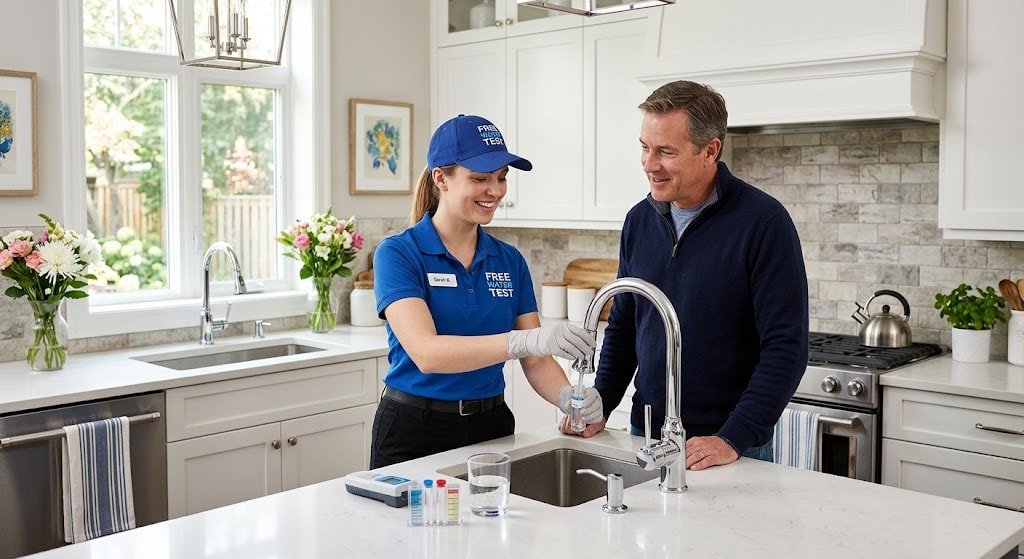
For concerns involving health-related contaminants, use a suitable testing method and consider a certified laboratory. Basic in-home demonstrations may measure only a few characteristics and shouldn’t be treated as a complete safety assessment.
Choosing a Treatment That Actually Helps
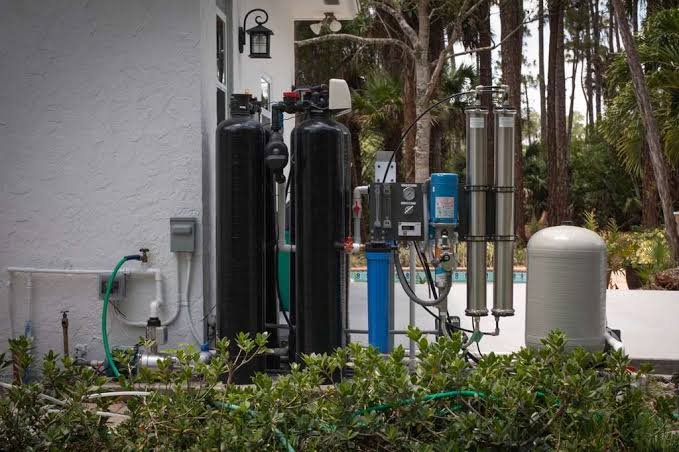
Once you understand the problem, comparing treatment options becomes easier. Sediment filters capture certain particles, activated carbon can reduce particular tastes and odors, and water softeners address hardness minerals. Reverse osmosis systems can reduce many dissolved substances, depending on the model and its verified performance.
No single system handles every possible water concern. Check the manufacturer’s documentation and relevant independent certifications to understand which substances the equipment is designed to reduce. Ask about installation, water pressure, maintenance, replacement parts, and long-term operating costs before making a commitment.
It’s also worth considering whether treatment is needed throughout the home or only at a particular tap. A kitchen filter may be enough for a specific drinking-water concern, while a whole-house system may be more suitable when testing identifies a problem affecting several fixtures.
Keep an Eye on Changes Over Time
Water quality isn’t necessarily fixed forever. Changes in the municipal supply, private well conditions, plumbing repairs, or aging equipment can all influence what reaches your tap. Keeping a record of test results and maintenance dates can make recurring problems easier to understand.
If your water changes suddenly, investigate rather than assuming the problem will disappear on its own. Contact the relevant water authority or a qualified professional when needed, and follow public-health guidance if contamination is suspected.
The goal isn’t to worry about every little mark on a faucet. It’s to recognize when something has changed and respond thoughtfully. With careful observation, appropriate testing, and treatment chosen for the actual problem, you can make better decisions and feel more confident about the water your household uses every day.