Water problems don’t always begin with something dramatic. Sometimes, the first clue is a strange mark around a faucet, a shower fitting that looks discolored, or a faint metallic taste that wasn’t there before. You clean it, the mark comes back, and eventually you start wondering whether it’s just an annoying household stain—or a sign of something happening inside your plumbing.
In some cases, unusual staining can provide useful clues about water chemistry. Blue-green discoloration, for example, may be associated with copper plumbing and certain water conditions. Understanding what’s behind these stains can help homeowners decide when a simple cleaning is enough and when it’s worth investigating the water itself.
Why Blue-Green Stains Appear
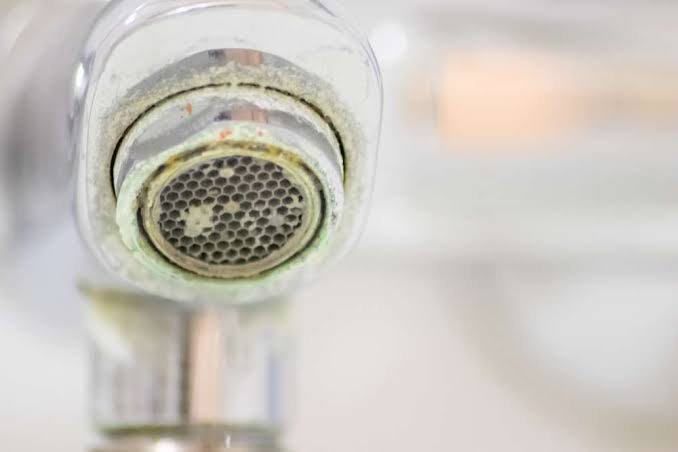
Those blue-green stains often show up around sinks, drains, faucets, and other plumbing fixtures. The color can look surprisingly vivid, especially against white porcelain or a stainless-steel surface.
One common explanation is copper from plumbing components. When water interacts with copper pipes or fittings, small amounts of copper can dissolve into the water under certain conditions. When that copper later reacts with air, moisture, or other substances, it can leave behind colored deposits.
Related readingCleaner Water Starts With Understanding How Filtration Works
The important thing is not to jump to conclusions. Blue-green staining doesn’t automatically mean your water is unsafe or that your pipes need immediate replacement. The cause depends on the plumbing materials, water chemistry, age of the system, and other factors.
Still, recurring stains are worth paying attention to.
The Connection Between Water Chemistry and Plumbing
Water isn’t chemically neutral in every situation. Its pH, mineral content, dissolved gases, temperature, and other characteristics can influence how it interacts with plumbing materials.
When water chemistry encourages metals to dissolve more readily, homeowners may notice staining or changes in fixtures over time. This is particularly relevant in properties with copper plumbing.
Related readingA Smarter Look at Whole-House Water Filtration and Advanced RO Technology
Acidic water can be one contributing factor. Water with a lower pH may be more aggressive toward certain metal plumbing materials, potentially increasing the release of copper and other metals.
That doesn’t mean every home with low-pH water will develop visible stains. Plumbing design and water chemistry are more complicated than that. But if discoloration keeps returning, testing the water can provide useful information instead of leaving you to guess.
What Corrosion Has to Do With It
When metal gradually deteriorates because of chemical reactions with its environment, the process is generally referred to as corrosion. In plumbing systems, corrosion can affect pipes, fittings, valves, and other metal components.
Copper corrosion can sometimes produce blue or green deposits. Other metals can create different colors and types of residue.
Corrosion doesn’t necessarily happen quickly. In many homes, it develops slowly over years. The signs may be subtle at first—a small stain here, a pinhole leak there, or a gradual change in water appearance.
Related readingWhen Your Water Leaves Orange Marks: Understanding Iron and Filtration
That’s one reason routine inspection matters. Catching a plumbing issue early is usually easier than dealing with extensive water damage later.
Is Blue-Green Water Dangerous?
Seeing a blue-green mark around a drain can certainly look alarming, but the stain alone doesn’t tell you whether the water is safe to drink.
Copper is an essential mineral, but excessive exposure can cause health problems. If you notice persistent discoloration, an unusual taste, or other changes in your water, it’s sensible to have it tested.
Related readingBetter Water Starts With Choosing the Right Treatment Approach
Testing can help determine whether copper or other substances are present at concerning levels. It also gives you a better understanding of the overall water chemistry.
For drinking-water concerns, don’t rely solely on appearance. Water can look completely clear and still contain dissolved substances that aren’t visible.
Why Testing Is Better Than Guessing
Homeowners sometimes respond to staining by immediately purchasing a filter or water treatment system. That’s understandable, but it can be an expensive way to approach an unknown problem.
Related readingWhy Understanding Your Water Conditions Matters More Than You Think
A proper water analysis can examine characteristics such as pH, hardness, copper, iron, total dissolved solids, and other relevant factors.
Once you know what’s actually happening, the treatment options become easier to understand.
For example, if the primary issue is acidic water interacting with copper plumbing, addressing the water chemistry may be more useful than simply installing a basic sediment filter. If another contaminant is responsible, a different treatment method may be appropriate.
In short, the right solution depends on the cause.
Could Hard Water Be Involved?
Hard water and corrosion are often discussed separately, but water chemistry isn’t divided into neat little boxes.
Hardness comes primarily from calcium and magnesium. While hard water commonly causes scale and mineral deposits, other characteristics of the water can influence how it interacts with plumbing.
This is why a complete water assessment can be more useful than testing for only one characteristic.
A homeowner may discover that several factors are present at once. Perhaps the water is acidic, has low mineral content, and is interacting with copper pipes. Or perhaps the staining has a completely different cause.
Good testing helps separate these possibilities.
What Can Homeowners Do About the Problem?
Start with observation. Take note of where the stains appear, how quickly they return, and whether they occur at specific fixtures.
Look for other clues, too:
- Metallic or unusual taste
- Blue or green residue
- Small plumbing leaks
- Changes in water color
- Unusual odors
- Increasing staining over time
- Visible deterioration around copper fittings
If several of these signs appear together, professional evaluation is worthwhile.
Depending on the results, possible solutions may include water treatment, pH adjustment, plumbing repairs, replacement of damaged components, or a combination of approaches.
There’s no single fix that works for every situation.
Don’t Ignore What Your Fixtures Are Telling You
Your plumbing fixtures can sometimes act like little messengers. A recurring stain may be nothing more than surface residue, but it can also point toward a water chemistry issue that deserves attention.
The key is not to panic. Instead, investigate.
Water testing can reveal information that your eyes simply can’t. Once the cause is understood, you can choose a practical response rather than spending money on treatments that may not address the real problem.
A Cleaner Fixture Starts With Understanding the Water
Blue-green staining isn’t something every homeowner will encounter, but when it appears repeatedly, it’s worth asking why.
Water quality and plumbing materials interact in complicated ways. pH, dissolved minerals, copper, and other characteristics can influence what happens inside pipes and around fixtures. Understanding those relationships makes it easier to protect your plumbing and maintain better water quality.
Sometimes the answer is a simple cleaning. Sometimes it requires testing and treatment. And occasionally, the plumbing itself needs attention.
Either way, the smartest first step isn’t guessing. It’s finding out what’s actually happening with your water.