Most people don’t think about what is actually inside their drinking water until something feels off. Maybe the taste is a little flat. Maybe coffee has a strange edge to it. Maybe ice cubes make the whole drink smell odd. It’s not always a big dramatic problem, but it can quietly change the way you use water at home.
You start buying bottled water. You stop filling glasses from the tap. You keep a pitcher in the fridge and forget to refill it. Before long, avoiding your own faucet becomes normal.
But it doesn’t really have to be that way.
A good drinking-water system can make the kitchen feel more dependable again. Not fancy. Not overcomplicated. Just cleaner water where you need it most.
Related readingCleaner Water Starts With Understanding How Filtration Works
Why Taste Is Only Part of the Story
Water can look perfectly clear and still contain minerals, chlorine, sediment, or dissolved solids that affect taste, smell, and overall quality. These elements are not always visible, which is why judging water only by appearance can be misleading.
Sometimes you notice the difference in coffee or tea. Sometimes it shows up as cloudy ice or a faint mineral flavor. Other times, the water simply doesn’t taste fresh, so the family drinks less of it without thinking too much about why.
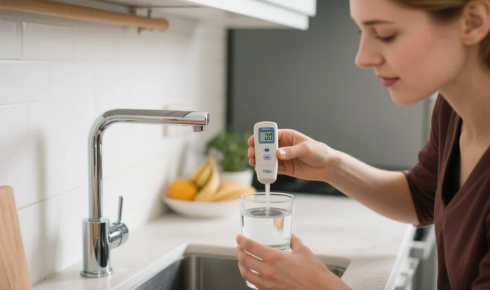
That is one reason water testing matters. A simple test can give a clearer picture of what is in the water instead of leaving homeowners to guess.
The Kitchen Is Where Water Quality Really Shows
The kitchen is usually the place where better water makes the biggest daily impact. It goes into morning coffee, soup, pasta, rice, smoothies, baby bottles, ice trays, and plain glasses throughout the day.
Related readingBetter Water Starts With Choosing the Right Treatment Approach
When water tastes better, food and drinks often taste better too. That sounds obvious, but people forget it. Coffee beans can be high quality, but poor-tasting water will still dull the flavor. Fresh vegetables can lose a little brightness when rinsed or cooked in water with a strong chlorine smell.
A dedicated system for drinking & cooking water can help bring consistency back to the kitchen. Instead of wondering whether the tap water will taste strange today, homeowners get a reliable source for the things they actually consume.
Why Basic Filters May Not Be Enough
Pitcher filters and refrigerator filters are useful, but they have limits. A pitcher may be slow, small, and easy to forget. Refrigerator filters are convenient for cold water, but they may not provide enough volume for cooking or filling several bottles at once.
For households that use a lot of water in the kitchen, a more dedicated setup can feel much easier. Under-sink filtration or reverse osmosis systems can provide filtered water directly from a separate faucet. That means no waiting, no plastic bottle runs, and no guessing when the pitcher was last changed.
Related readingWhy Knowing What’s in Your Water Can Make Every Day a Little Better
It also keeps the countertop cleaner, which is a small bonus but still nice.
Understanding Reverse Osmosis in Plain English
Reverse osmosis sounds technical, but the idea is simple enough. Water passes through several stages, including filters and a membrane, to help reduce many unwanted substances that ordinary filters may not fully address.
The system usually sits under the sink and connects to a dedicated faucet. Once installed, it quietly provides filtered water for drinking, cooking, coffee, tea, and ice.
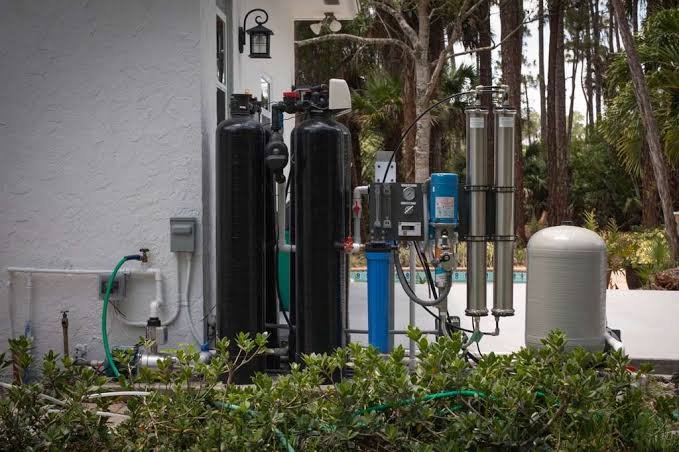
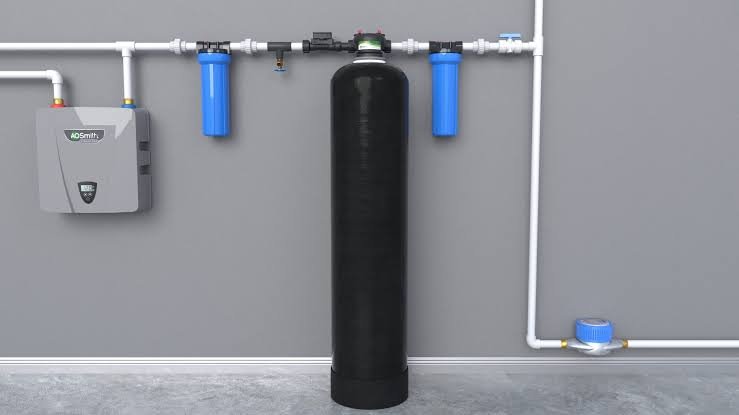
It does not treat every faucet in the house. That is important to understand. Reverse osmosis is typically focused on drinking water, while whole-home systems and softeners handle other issues like hardness, sediment, or scale throughout the house.
Related readingA Smarter Look at Whole-House Water Filtration and Advanced RO Technology
The right setup depends on the problem you are trying to solve.
A Good System Should Be Easy to Maintain
Nobody wants a water system that turns into another confusing chore. Maintenance should be clear from the start. Homeowners should know which filters need replacement, how often service is needed, and what signs suggest the system needs attention.
A written cartridge-change schedule helps keep everything simple. It gives the homeowner a timeline to follow so the system continues working properly and the water stays fresh-tasting.
If filters are ignored too long, water flow may slow down, taste may change, or performance may drop. That does not mean the system failed. It usually just means it needs normal care, like changing an HVAC filter or replacing batteries in a smoke detector.
Better Water Can Reduce Bottled Water Habits
Bottled water is convenient until it becomes expensive and annoying. Cases take up space. Empty bottles pile up. Someone has to carry them from the store. And somehow, when you really want a cold bottle, there are only two left and both are warm.
Related readingWhy Understanding Your Water Conditions Matters More Than You Think
A home drinking-water system can reduce that routine. You can fill reusable bottles, make coffee, cook dinner, and keep chilled water in the fridge without relying on store-bought cases.
For families, this can make a surprisingly big difference. Kids can fill bottles before school. Parents can make coffee without second-guessing the taste. Guests can be offered water from the tap without that awkward “it tastes a little weird” warning.
Testing First Saves Money Later
It is easy to buy the wrong water product when you are guessing. A homeowner might purchase a basic filter when the real issue is high mineral content. Another might buy a softener expecting better drinking-water taste, only to discover softeners and filters do different jobs.
Testing first helps avoid those mistakes. It gives a clearer starting point and helps match the solution to the actual water.
This is especially important because water conditions vary widely. City water, well water, older plumbing, new construction, and neighborhood infrastructure can all affect what comes out of the tap. There is no single answer that fits every home perfectly.
Final Thoughts
Cleaner drinking water should not feel like a luxury. It should be part of a normal, comfortable home. When the water at the kitchen sink tastes better and stays consistent, daily habits become easier.
You drink more water. Coffee tastes cleaner. Ice feels fresher. Cooking feels more reliable. The little annoyances fade into the background.
A good system starts with understanding the water, choosing the right treatment, and keeping maintenance simple. Once that is in place, the kitchen faucet can finally become what it should have been all along — a source of water you actually trust.