Water is one of those things we tend to take for granted. Turn on the tap, fill a glass, and move on with the day. But what looks clear and clean isn’t always the whole story. Water can contain minerals, sediment, metals, microorganisms, or chemical compounds that you simply can’t see, smell, or taste.
That’s why understanding your home’s water quality is more important than guessing whether it’s safe or suitable for everyday use. A proper assessment can reveal what’s actually happening inside your water supply and help you choose a treatment approach that makes sense for your home.
Clear Water Doesn’t Always Mean Clean Water
One of the biggest misconceptions about household water is that appearance tells you everything. If water comes out of the faucet looking crystal clear, it’s easy to assume there’s nothing to worry about.
Related readingCleaner Water Starts With Understanding How Filtration Works
Unfortunately, many water quality problems are invisible.
Hard water, for example, may look perfectly normal while carrying elevated levels of calcium and magnesium. These minerals can gradually create scale inside pipes, faucets, water heaters, showerheads, and appliances. In other situations, water may contain iron, manganese, chlorine, lead, or other substances without showing obvious signs.
Some problems are easier to notice. A rotten-egg smell may point toward hydrogen sulfide, while cloudy water could indicate suspended particles or sediment. Still, these clues only tell part of the story.
Testing provides the bigger picture.
What Can Affect Water Quality?
Your water source has a major influence on what ends up coming through the tap. Municipal water and private wells can have very different characteristics, and even two homes in the same neighborhood may experience different issues.
Related readingA Smarter Look at Whole-House Water Filtration and Advanced RO Technology
Groundwater naturally passes through layers of soil and rock, picking up minerals along the way. That can affect hardness, pH, iron levels, and other characteristics. Surface water, meanwhile, can be influenced by runoff, seasonal changes, agricultural activity, and environmental conditions.
Plumbing matters, too. Older pipes or fixtures can sometimes introduce unwanted substances into water after it has already left the treatment facility.
Then there’s the issue of changing conditions. A water supply that seemed fine a few years ago may not behave exactly the same today. That’s especially true for private wells, where local groundwater conditions can shift over time.
Related readingBetter Water Starts With Choosing the Right Treatment Approach
In other words, your water isn’t necessarily a fixed thing.
Why Professional Testing Is Worth Considering
There’s a difference between noticing that your water tastes unusual and knowing exactly why it tastes unusual. Home test kits can be useful for basic checks, but they may not provide the depth or consistency needed to understand a complicated water-quality problem.
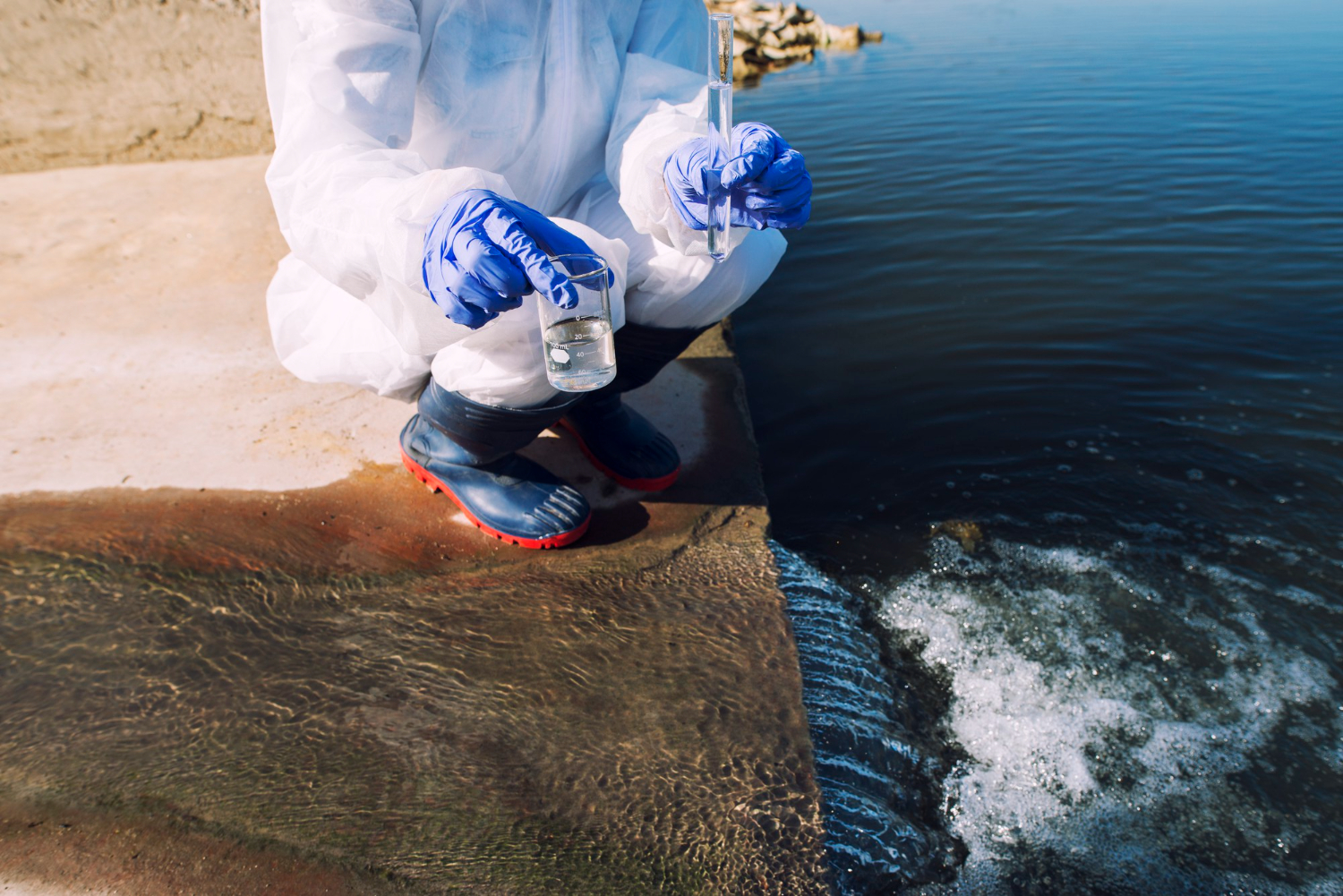
That’s where professional water testing & analysis can make a real difference.
A qualified water professional can test for relevant characteristics based on your source and concerns. Depending on the situation, testing may include hardness, pH, iron, manganese, chlorine, total dissolved solids, bacteria, nitrates, or other contaminants.
The goal isn’t simply to produce a long list of numbers. Good testing should help translate those numbers into something practical.
Related readingWhy Knowing What’s in Your Water Can Make Every Day a Little Better
For instance, if hardness is high, you may need a water softening solution. If sediment is the issue, a filtration system may be more appropriate. If there’s a concern about bacteria in a private well, the solution could involve disinfection rather than simply installing a standard filter.
The treatment should fit the problem—not the other way around.
Pay Attention to Changes in Your Water
Sometimes your home gives you small warnings before a bigger problem becomes obvious.
Maybe your shower doors are developing white spots. Perhaps soap doesn’t seem to rinse away properly. Your water heater may be collecting scale faster than expected. Or you’ve started noticing an odd taste or smell that wasn’t there before.
Related readingWhy Better Water Starts with Knowing What’s in It
These changes shouldn’t automatically cause alarm, but they’re worth paying attention to.
Seasonal changes can also affect water conditions, particularly for homes that rely on private wells. Heavy rainfall, drought, nearby construction, or changes in groundwater movement may influence what’s present in the water.
Even plumbing repairs can alter how water looks or tastes temporarily because sediment can be disturbed inside pipes.
The important thing is not to panic over every small change. Instead, treat noticeable changes as a reason to investigate rather than simply covering them up.
Water Treatment Should Match Your Actual Needs
It’s tempting to buy a filtration system based on what sounds impressive. More stages, more features, bigger claims—it can all get confusing pretty quickly.
But water treatment isn’t really about having the most complicated system in the house. It’s about having the right system.
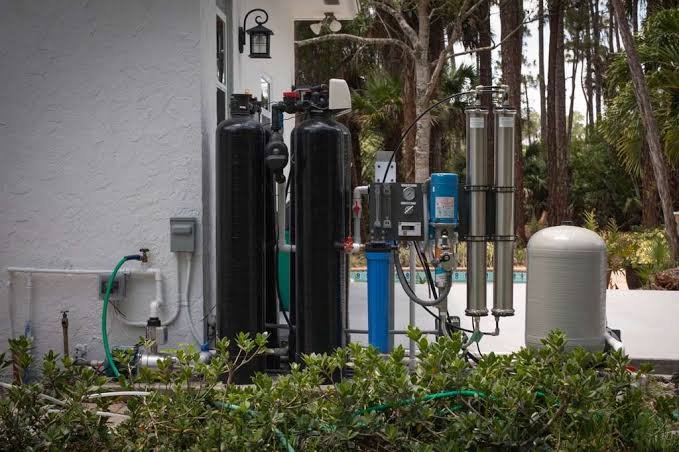
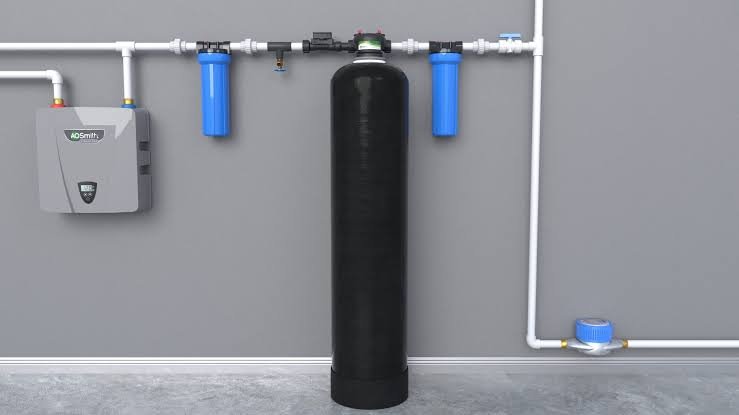
A household dealing primarily with hard water may benefit from a water softener. A home with unpleasant tastes or odors might need activated carbon filtration. Sediment problems may call for dedicated sediment filtration. Some drinking-water concerns are better handled with a point-of-use reverse osmosis system.
There isn’t one universal answer.
Your water source, test results, plumbing setup, family needs, and budget all matter. That’s why testing should generally come before selecting equipment. Otherwise, you risk spending money on technology that doesn’t actually address the underlying issue.
Don’t Forget About Your Everyday Water Habits
Water quality becomes especially relevant when you think about how many times you use water during a normal day.
Cooking, drinking, bathing, washing dishes, doing laundry, brushing your teeth, making coffee—the list goes on. Household usage can also influence which type of treatment makes the most sense.
A family that uses large amounts of water may need a different capacity than a smaller household. Someone concerned mainly about drinking and cooking water may prefer a point-of-use solution rather than treating every gallon entering the home.
Appliances matter as well. Water heaters, washing machines, dishwashers, and ice makers can all be affected by hard water, sediment, or certain contaminants.
It’s easy to think only about the water coming out of a drinking faucet, but your entire plumbing system interacts with your water supply.
When Should You Have Your Water Tested?
There’s no single schedule that works perfectly for every home. However, testing is particularly sensible when you move into a new property, begin using a private well, notice a change in taste or smell, experience recurring plumbing issues, or install a new water treatment system.
Private well owners should be especially proactive because they are responsible for monitoring their own water supply.
Testing may also be appropriate after flooding or other environmental events that could affect groundwater.
Think of it a little like checking the oil in your car. You don’t wait for the engine to fail before paying attention. A little information beforehand can prevent a much bigger headache later.
Making Better Decisions Starts With Better Information
Water treatment doesn’t have to be complicated, but guessing can make it unnecessarily expensive.
Once you understand what’s actually in your water, decisions become much easier. You can compare treatment options based on real needs rather than marketing promises. You can also identify whether a problem requires whole-home treatment or whether a smaller point-of-use system would do the job.
Most importantly, testing gives you confidence.
There’s something reassuring about turning on the faucet and knowing what you’re dealing with—not simply hoping everything is fine. Your water may already be perfectly suitable for your needs, or it may need some help. Either way, knowing the facts is the sensible place to start.
Clean, reliable water isn’t just about what you can see in a glass. It’s about understanding the source, recognizing changes, and making informed choices for the people and systems that depend on it every day.