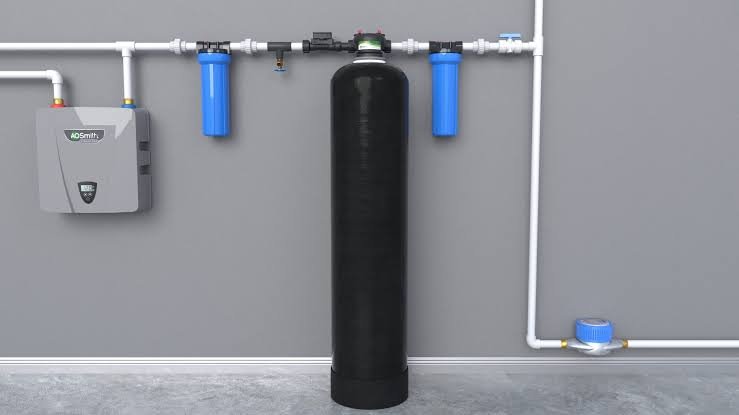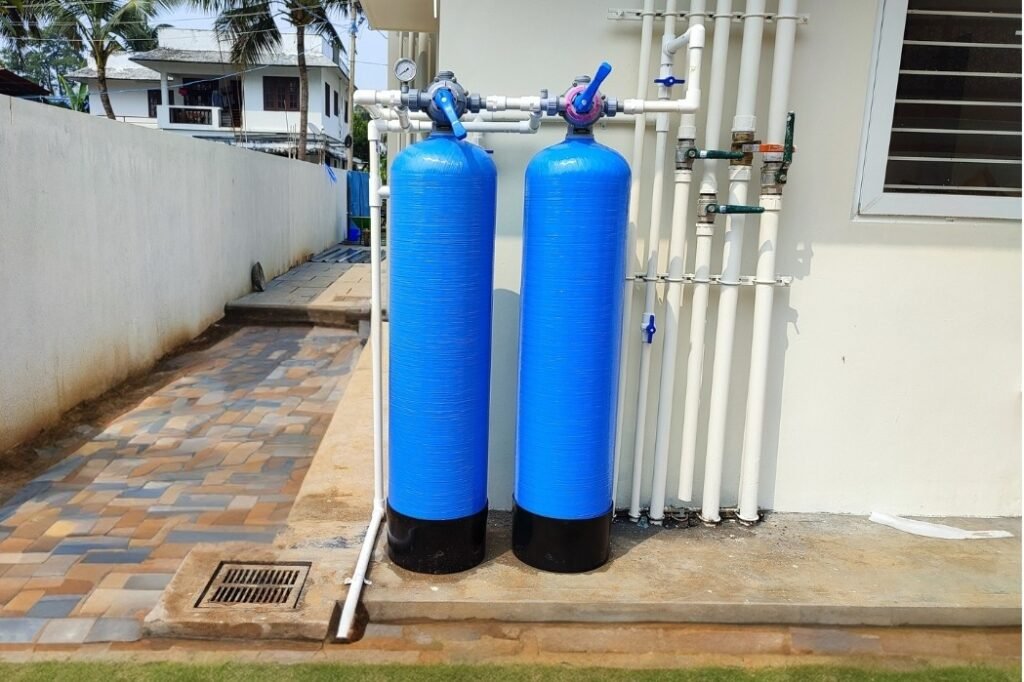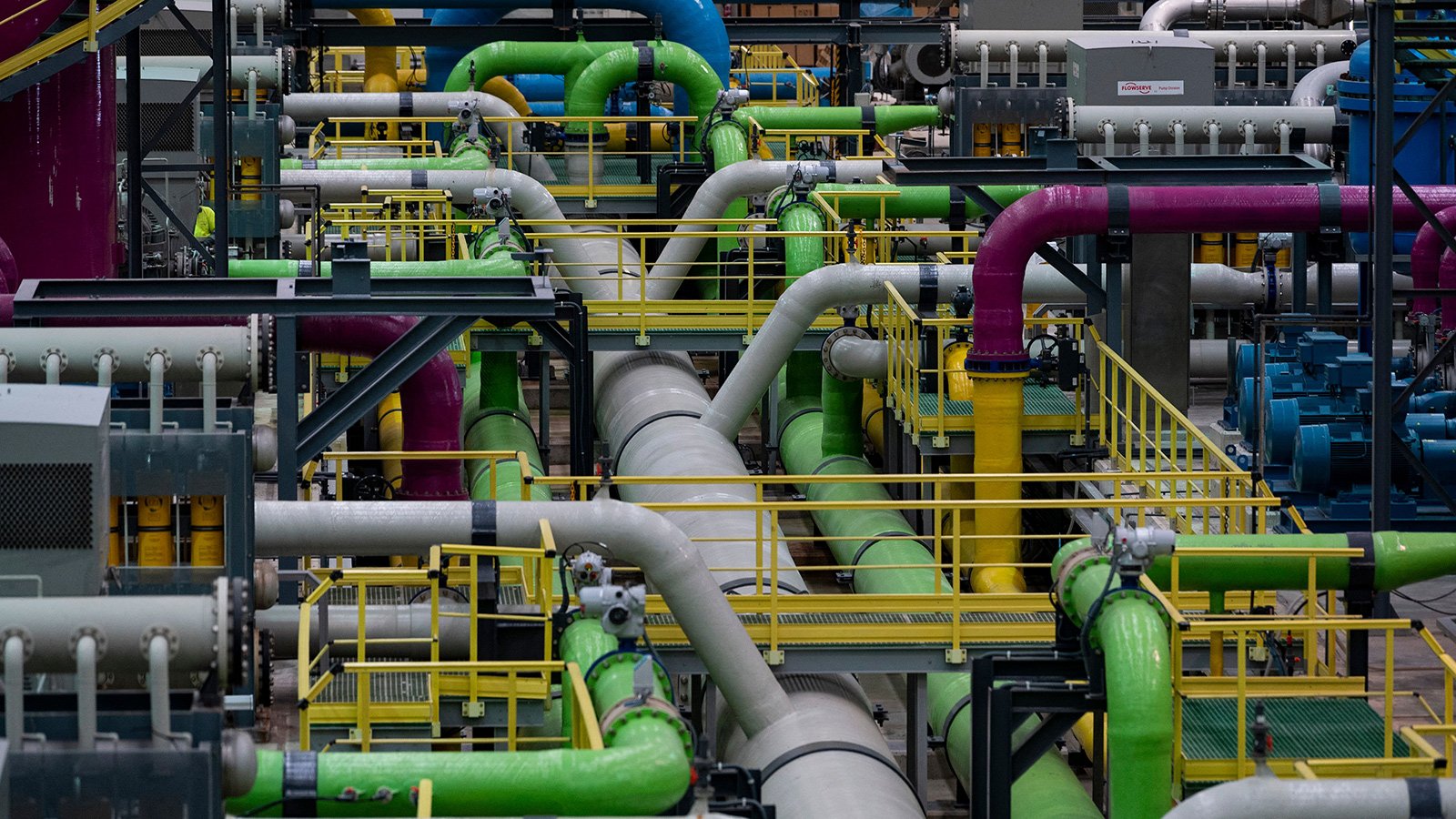
We rarely think twice about the water flowing from a kitchen tap. Turn the handle, fill a glass, and get on with the day. But what looks clear isn’t always the whole story. Depending on where your water comes from, it may contain sediment, chlorine, minerals, microorganisms, or other unwanted substances that affect taste, smell, or quality.
That’s why choosing the right filtration approach matters. Modern water treatment isn’t simply about putting a filter under the sink and hoping for the best. Different technologies are designed to deal with different problems, and understanding how they work can make it much easier to choose a practical solution for your home.
Why Water Filtration Needs More Than One Approach
Water quality varies from one property to another. Municipal water and private well water, for example, can have completely different characteristics. Even homes in the same neighborhood may experience different issues because of plumbing materials, local water sources, or the age of the building.
Related readingA Smarter Look at Whole-House Water Filtration and Advanced RO Technology
A good filtration system begins with identifying what’s actually in the water.
Sediment filters can capture particles such as sand, dirt, and rust. Carbon filters are commonly used to reduce chlorine and improve taste and odor. Other technologies are designed for dissolved minerals, metals, microorganisms, or specific contaminants.
In other words, there isn’t one magic filter that does everything perfectly. Sometimes, a combination of technologies makes much more sense.
The Science Behind Modern Water Purification
One of the most interesting technologies used in advanced filtration is membrane separation. semi-permeable membranes allow certain molecules or substances to pass through while restricting others.
Reverse osmosis is a well-known example. Water is pushed through a specialized membrane under pressure, while many dissolved contaminants are left behind. The treated water then moves forward for use, while concentrated wastewater is separated from the purified stream.
Related readingWhy Understanding Your Water Conditions Matters More Than You Think
It sounds complicated, but the basic idea is surprisingly straightforward: use a very fine barrier to separate water from substances you don’t necessarily want to drink.
Membrane technology can be especially useful when water contains dissolved solids or other contaminants that ordinary sediment and carbon filters may not adequately address.
Why Multiple Filtration Stages Can Make a Difference
Imagine trying to clean a dusty room using only a damp cloth. You might improve things, sure, but you probably wouldn’t get the best result. Water filtration can work in much the same way.
Related readingBetter Water Starts With Choosing the Right Treatment Approach
A three or four-stage water filtration setup combines different treatment methods, with each stage handling a particular type of impurity.
A typical system might begin with sediment filtration. This first stage catches larger particles before they can reach more sensitive components. A carbon stage may follow, helping reduce chlorine, odors, and certain organic compounds. A membrane or specialized treatment stage can then address dissolved contaminants. Finally, another polishing filter may improve taste before the water reaches the tap.
The exact configuration depends on water quality and the purpose of the system. More stages don’t automatically mean better water. What matters is whether those stages are appropriate for the contaminants you’re trying to reduce.
Choosing a System for the Whole Home
Not every water concern starts in the kitchen. Showering, bathing, laundry, cooking, and cleaning all depend on household water, so treating only one faucet may not solve every problem.
Related readingCleaner Water at the Sink Makes Everyday Life Easier
Whole-home treatment can be useful when the goal is to improve water throughout the property. For example, if hard water is leaving scale on fixtures or making laundry feel rough, a water softener may be more appropriate than a drinking-water filter.
Likewise, if the concern is chlorine odor throughout the house, a point-of-entry filtration system may offer broader coverage than a small countertop unit.
This is where water purifier systems can become part of a larger water-quality strategy. The right system depends on whether you’re treating drinking water, bathing water, or the entire household supply.
Don’t Ignore Hard Water
Hard water is one of those household problems people often notice only after living with it for a while. White deposits appear around faucets. Showerheads become crusty. Soap doesn’t seem to rinse quite as easily. Appliances may develop mineral buildup, too.
Related readingWhy Knowing What’s in Your Water Can Make Every Day a Little Better
Calcium and magnesium are the main minerals responsible for conventional water hardness.
Filtration and softening aren’t necessarily the same thing. A standard filter may remove particles and certain chemicals, but it isn’t automatically designed to soften hard water. Water softeners typically use ion-exchange technology to reduce hardness minerals.
Knowing that distinction can save homeowners from buying an expensive system that doesn’t actually solve the problem.
Water Testing Should Come Before Equipment
It’s tempting to shop for a filtration system based on a neighbor’s recommendation or an online review. But water treatment is personal. What works beautifully in one home may be unnecessary—or ineffective—in another.
Testing provides a much better starting point.
A professional water analysis can help identify hardness, pH, dissolved solids, chlorine, iron, manganese, and other potential concerns. For private wells, testing is particularly important because water conditions can change over time.
Once you understand the problem, you can choose technology based on evidence rather than guesswork. That usually means fewer unnecessary components, easier maintenance, and a system that actually fits the household.
Maintenance Is Part of the Deal
Even the best filtration equipment needs attention. Filters become less effective as they collect contaminants, membranes need proper care, and softener systems require appropriate maintenance.
Ignoring replacement schedules can have the opposite effect of what you intended. Water flow may decrease, taste can change, and filtration performance may decline.
Fortunately, maintenance isn’t usually dramatic. Many systems simply require periodic cartridge replacement, cleaning, inspection, or professional servicing. Keeping a basic record of filter changes can help. It’s one of those small household habits that pays off later.
A Better Way to Think About Clean Water
Water filtration isn’t really about buying the biggest or most expensive system available. It’s about understanding your water and matching the treatment technology to the actual need.
Start with testing. Look at the source of your water, identify the contaminants or mineral issues that matter, and consider where treatment is needed. From there, compare technologies based on performance, maintenance, installation requirements, and long-term cost.
Clean, good-quality water should feel ordinary—that’s the whole point. You shouldn’t have to think about every glass you pour. With the right treatment approach and a little ongoing care, water filtration can quietly become one of those home improvements you appreciate every single day.