Water should be one of the easy things in a home. You turn on the tap, fill a glass, wash the dishes, take a shower, run the laundry, and move on with your day. That is how it should feel, anyway.
But for a lot of homeowners, water becomes a quiet source of irritation. The sink stains too quickly. The shower smells odd. The dishwasher leaves spots. The water tastes a little strange, but not strange enough that you know what to do about it. And after a while, these small issues start to feel normal.
They are not always normal, though. They may be signs of problem water, and the frustrating part is that the cause is not always visible. Clear water can still contain minerals, iron, sulfur, sediment, or other elements that affect the way it tastes, smells, feels, and performs around the home.
Small Water Problems Have a Way of Growing
Most water issues do not begin as emergencies. They begin with hints. A little white buildup around the faucet. Orange stains in the toilet bowl. Cloudiness after heavy rain. Soap that does not lather well. A water heater that seems to work harder than it should.
Related readingCleaner Water Starts With Understanding How Filtration Works
It is easy to ignore these things because the water still runs. But water moves through nearly every part of the home. If something is off, it may affect plumbing, appliances, fixtures, laundry, cooking, cleaning, and bathing.
Hard water can leave scale inside pipes and water heaters. Iron can stain sinks, tubs, and clothing. Sediment can clog filters and reduce water flow. Sulfur can create that rotten-egg odor nobody wants in the shower. Over time, what starts as a nuisance can become a repair bill.
Why Guessing Usually Leads to Frustration
A common first reaction is to buy a filter. It makes sense. Filters are easy to find, and the package usually promises cleaner water. But water treatment is not one-size-fits-all.
Related readingA Smarter Look at Whole-House Water Filtration and Advanced RO Technology
A basic carbon filter might help with taste, but it will not fix hard water scale. A softener can reduce hardness, but it may not solve sulfur odors or heavy sediment. A sediment filter catches particles, but it cannot remove dissolved minerals. And if the issue is bacteria, a completely different approach may be needed.
That is why understanding your water filtration needs is so important. The right system depends on what is actually in the water, where the problem starts, and how the household uses water every day. Without testing, homeowners often end up treating the symptom instead of the cause.
Testing Brings the Real Story Into Focus
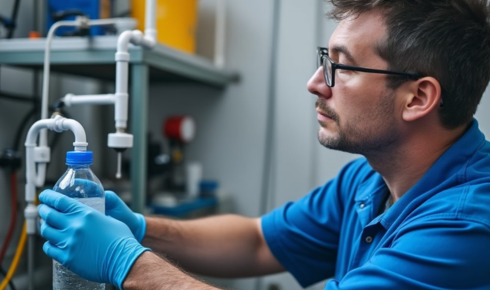
A proper water test can reveal what the eye cannot see. It may check hardness, iron, manganese, pH, chlorine, total dissolved solids, sediment, sulfur, and sometimes bacteria or other safety-related concerns. For private wells, more detailed lab testing may be recommended depending on the location and symptoms.
Testing does not need to feel intimidating. In many cases, it simply confirms what the home has already been showing you. The stains, smells, buildup, or cloudy appearance start to make sense once the water chemistry is understood.
Related readingBetter Water Starts With Choosing the Right Treatment Approach
That knowledge changes the conversation. Instead of asking, “What filter should I buy?” the better question becomes, “What does my water actually need?”
Every Home’s Water Is Different
One of the biggest mistakes people make is assuming their neighbor’s solution will work for them. Even homes on the same street can have different water quality, especially when wells are involved. Soil layers, plumbing materials, well depth, treatment history, and household usage can all change the picture.
City water can vary too. Some homes deal with chlorine taste. Others have hardness or old plumbing concerns. A home with a private well may face iron, sulfur, sediment, bacteria, or fluctuating quality after storms.
Related readingWhat Blue-Green Stains Can Tell You About Your Water
This is why a tailored approach matters. Water treatment should fit the home, not the other way around.
The Right System May Be Simple—or Layered
Sometimes the solution is straightforward. A softener for hardness. A sediment filter for particles. A reverse osmosis system for drinking water. A carbon filter for taste and odor.
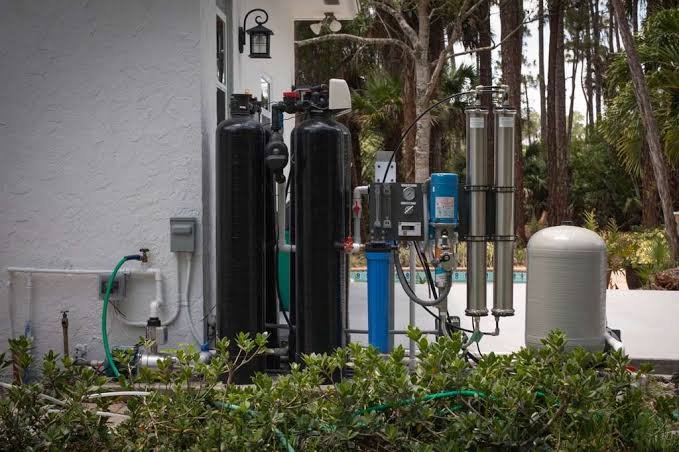
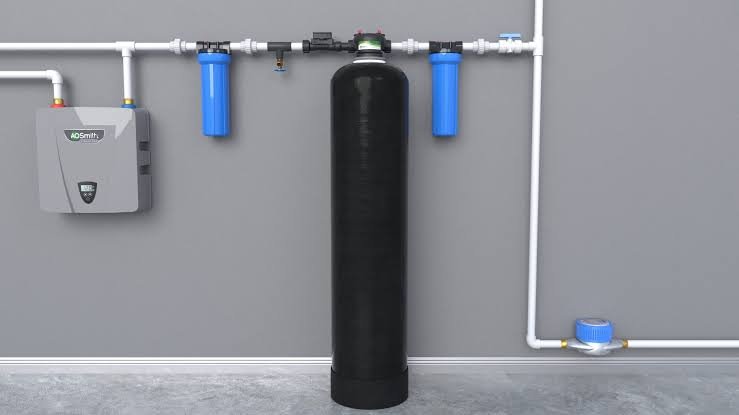
Other homes need a layered system. For example, sediment filtration may come first to protect the rest of the equipment. Then iron or sulfur treatment may be added. A softener might follow for hardness. Drinking water may be polished separately at the kitchen sink.
Related readingWhy Knowing What’s in Your Water Can Make Every Day a Little Better
The order matters. If equipment is installed in the wrong sequence, one system may overload another. Good design helps the whole setup work more efficiently and last longer.
A Professional Eye Can Save Time and Money
This is where a professional team can make a real difference. Experienced water specialists do more than sell equipment. They look at the full picture: test results, symptoms, plumbing layout, water source, household size, flow rate, and long-term maintenance needs.
They can explain why one solution makes sense and another does not. They can also help avoid common mistakes, like installing a softener when the main issue is sulfur, or relying on a small drinking water filter when the whole house is affected by hardness and sediment.
Good advice should feel clear, not pressured. Homeowners deserve to understand the problem before choosing a solution.
Better Water Changes Daily Life
When water is treated properly, the difference shows up in ordinary moments. Dishes look cleaner. Laundry feels fresher. Faucets stay nicer. Showers feel better. Coffee tastes more like coffee. The bathroom no longer carries that strange smell after hot water runs.
These are not dramatic luxuries. They are small improvements that make a home easier to live in. And when appliances and plumbing are protected from scale, sediment, and buildup, the benefits may continue quietly in the background.
Good water does not ask for attention. It just works.
Maintenance Should Be Part of the Plan
Every water system needs some care. Filters need replacement. Softeners need salt. Reverse osmosis systems need cartridge and membrane changes. UV lights, if used, need periodic replacement. Backwashing filters need proper settings.
A good system should be designed with realistic maintenance in mind. If filters clog too quickly or the system feels like a chore, it may be undersized or not matched correctly to the water. The goal is dependable water without constant hassle.
Getting Back to Water You Can Trust
Water problems can be annoying, but they are also useful clues. Stains, odors, scale, cloudiness, and strange taste all point toward something. Once that something is identified, the solution becomes much easier to plan.
The best place to start is testing. From there, the right treatment can be chosen with confidence, whether it is a simple filter, a whole-home system, or a combination of solutions.
In the end, better water is about peace of mind. It is the comfort of filling a glass without hesitation, taking a shower without noticing odor, and knowing your home’s plumbing and appliances are not quietly fighting poor water every day.
That kind of confidence is worth having. And with the right help, it is very possible.