There’s a funny thing about water—we barely notice it until something feels off. It’s one of those everyday essentials that quietly supports almost every part of life. You make coffee with it in the morning, rinse fresh vegetables before dinner, fill your pet’s bowl, and probably take a shower without giving much thought to what’s coming out of the faucet.
But every now and then, something changes. Maybe your drinking water starts tasting different. Maybe your bathroom fixtures develop stubborn stains, or your laundry loses that fresh feel. Sometimes it isn’t a dramatic problem at all. It’s just a lingering feeling that your home’s water isn’t quite what it used to be.
Those small observations are worth paying attention to because water tells a story if you’re willing to notice the details.
Related readingBetter Water Starts With Choosing the Right Treatment Approach
Small Changes Can Be Important Clues
Many homeowners assume that if water looks clear, everything must be perfectly fine. Unfortunately, appearances can be misleading. Water may contain minerals, dissolved metals, chlorine, or naturally occurring compounds that are impossible to see with the naked eye.
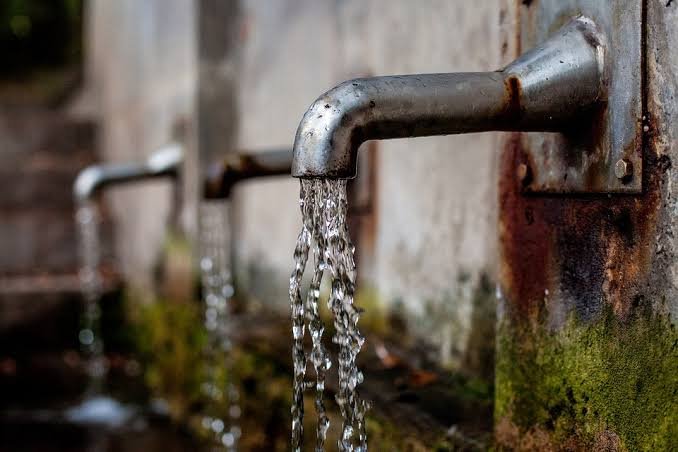
One of the first signs people notice is an unpleasant odor . A sulfur-like smell, a musty scent, or even something that resembles chlorine can make everyday tasks feel uncomfortable. Sometimes the cause is harmless, while other times it points toward an issue that deserves closer attention.
The good news is that strange smells don’t automatically mean something dangerous is happening. They simply mean it’s time to investigate rather than ignore the warning signs.
Why Water Changes Over Time
Many people believe their home’s water supply stays exactly the same year after year, but that’s rarely true.
Related readingWhy Knowing What’s in Your Water Can Make Every Day a Little Better
Seasonal rainfall, nearby construction, aging municipal pipes, groundwater conditions, and even plumbing inside the house can influence what eventually reaches your kitchen sink. A neighborhood that enjoyed excellent water for years may suddenly experience higher mineral content or sediment because of infrastructure changes that happen miles away.
That’s why neighbors living on the same street sometimes report completely different experiences with their tap water. Plumbing systems, pipe materials, and household usage patterns all contribute to subtle differences.
Understanding these factors helps explain why water problems often appear gradually rather than overnight.
Related readingChoosing the Right Water Treatment: From Testing to Reverse Osmosis and UV
Why Testing Matters More Than Guessing
When something seems unusual, it’s tempting to search online for quick fixes or purchase the first filtration system with good reviews.
The problem is that different water issues require different solutions. Hard water, excess chlorine, iron, bacteria, and sediment each demand a unique approach. Installing the wrong equipment may improve one issue while leaving the real problem untouched.
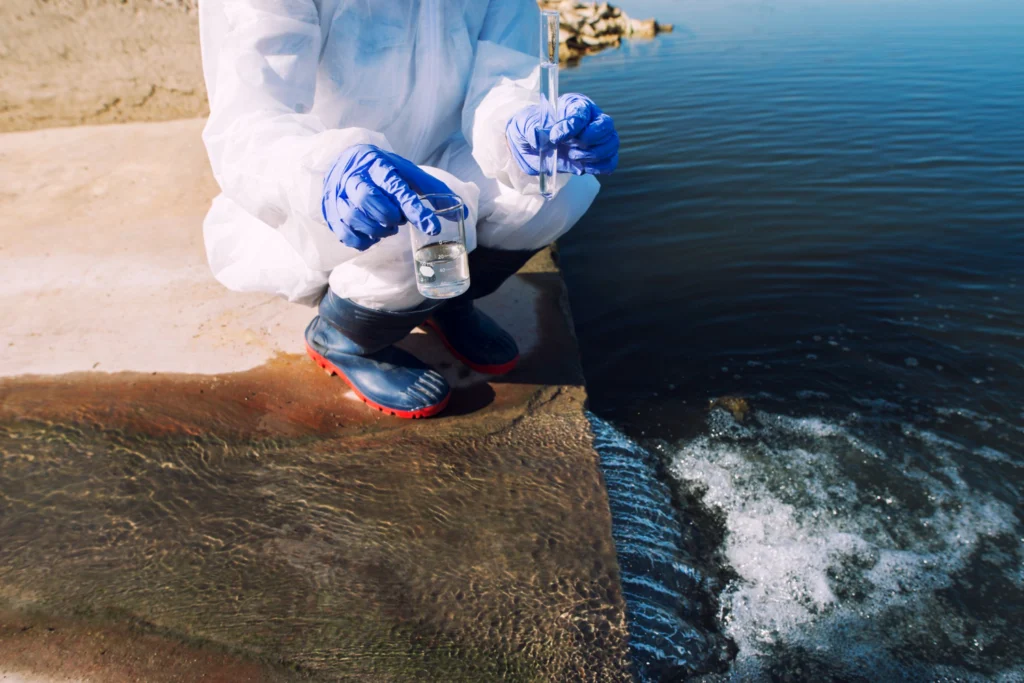
Professional testing removes the guesswork. Instead of relying on assumptions, homeowners receive clear information about what’s actually present in their water supply. That knowledge makes every future decision much easier and often saves money in the long run.
Related readingClean Water at Home Starts with Asking the Right Questions
Understanding the Risks of Hidden Contaminants
Not every concern is immediately noticeable. Some water supplies appear perfectly normal while still containing substances that deserve attention.
In certain situations, aging infrastructure, agricultural runoff, or environmental conditions may contribute to contaminated water entering private wells or municipal systems before treatment fully addresses the issue. While public utilities follow strict regulations, local conditions can still influence household water by the time it reaches individual homes.
This doesn’t mean every homeowner should worry constantly. Rather, it highlights the value of staying informed instead of assuming everything is automatically perfect.
Knowledge creates confidence, and confidence helps families make better decisions.
Everyday Benefits Go Beyond Drinking Water
Improving household water isn’t only about what’s inside your glass.
Related readingWhy Investing in Better Water Today Pays Off for Years to Come
Many people notice softer towels, cleaner dishes, brighter laundry, and reduced mineral buildup around faucets after addressing their home’s water issues. Coffee often tastes better. Soap rinses away more easily, and shower doors require less scrubbing because mineral deposits become less severe.
These improvements aren’t flashy or dramatic, yet they quietly make daily routines more enjoyable. Sometimes it’s the small conveniences that end up making the biggest difference over time.
Choosing Practical Solutions Instead of Expensive Ones
One common misconception is that every home requires a large, complicated filtration system.
That’s rarely true.
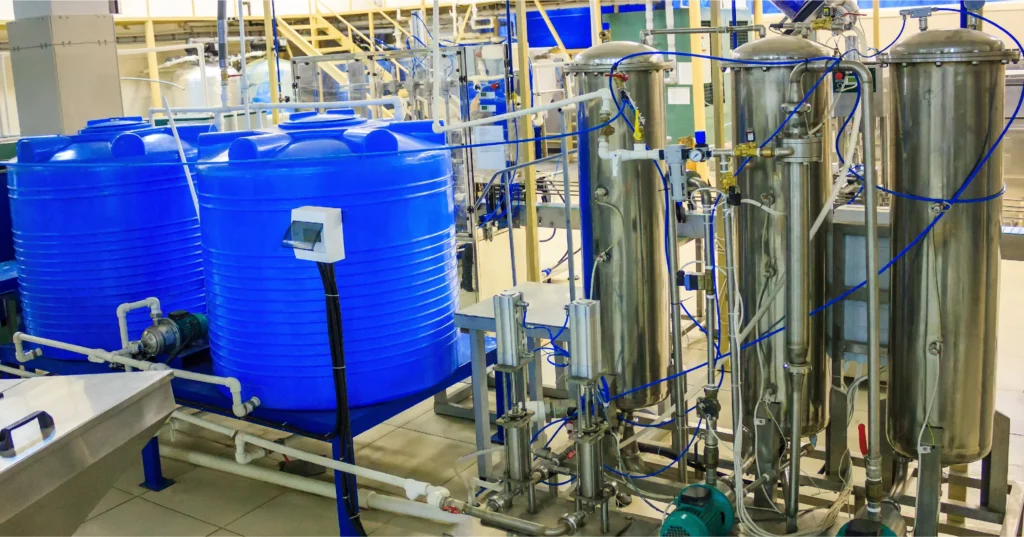
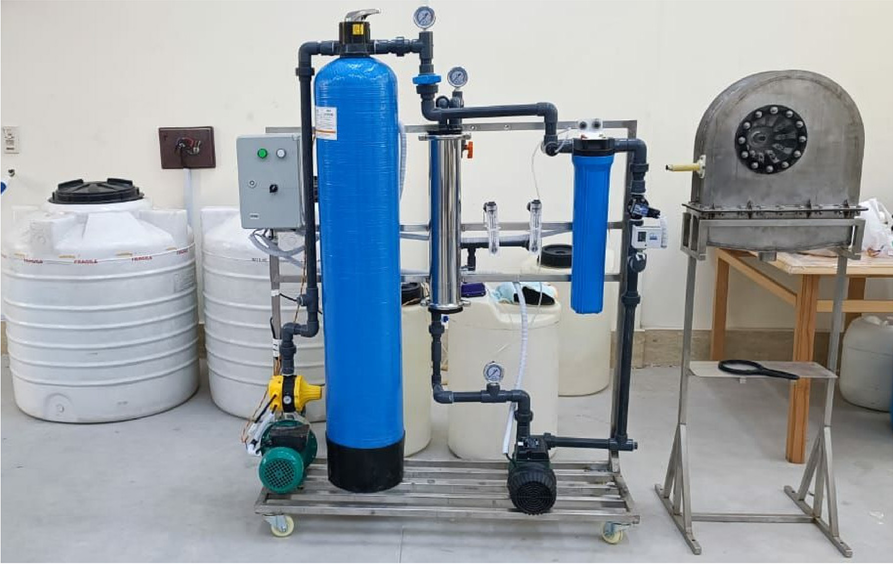
Some houses only benefit from a sediment filter. Others need water softeners because of hard minerals. Certain families choose reverse osmosis for drinking water, while rural homes using private wells may require specialized treatment for naturally occurring contaminants.
The best water solutions are rarely the most expensive—they’re the ones designed around your home’s actual needs instead of marketing promises.
Taking time to understand your local water conditions allows you to invest wisely rather than purchasing equipment that solves problems you never had.
Protecting Your Home for the Long Term
Water affects much more than drinking and cooking. It flows through appliances, plumbing fixtures, water heaters, washing machines, dishwashers, and coffee makers every single day.
Mineral deposits, sediment, and other impurities can gradually reduce efficiency, increase maintenance costs, and shorten the lifespan of expensive household equipment.
Routine inspections and appropriate treatment can help protect those investments while reducing repair bills over the years. Preventive care almost always costs less than replacing damaged appliances prematurely.
It’s a practical decision that benefits both comfort and household finances.
A Little Attention Goes a Long Way
Most homeowners don’t need to become water experts. They simply need to stay aware of changes that seem unusual.
If your water suddenly smells different, tastes odd, leaves new stains, or begins affecting appliances, those are signals worth exploring rather than ignoring. Often the solution turns out to be simpler than expected.
Clean, dependable water supports nearly every part of daily life, from preparing meals to enjoying a relaxing shower after a long day. Because it’s something we use constantly, even small improvements can have a surprisingly positive impact.
In the end, caring for your home’s water isn’t about chasing perfection or buying the latest technology. It’s about paying attention, asking the right questions, and making thoughtful choices based on reliable information. A little awareness today can help ensure safer, cleaner, and more comfortable water for years to come—and that’s something every household can appreciate.