Most people trust the water coming from their tap because, well, it looks fine. It fills the glass clearly, runs through the shower, rinses the dishes, and keeps the washing machine busy without much drama. But water can be a little deceptive. Sometimes the problems you notice — odd taste, cloudy ice, stains, dry skin, strange smells — are only the surface clues.
That is why homeowners are becoming more aware of what’s actually in their water, not just how it looks. The goal is simple enough: cleaner safer water for drinking, cooking, bathing, laundry, and everyday life.
Why Water Quality Is More Personal Than It Seems
Water is part of nearly every household routine. It touches food, clothes, skin, plumbing, appliances, and pets’ bowls. When it carries minerals, chlorine, sediment, iron, or other unwanted elements, the effects can show up all over the home.
Coffee may taste off. Dishes may come out spotted. Towels may feel rough. Faucets may collect chalky buildup. A shower may leave hair feeling dull or skin feeling tight. These small issues rarely feel urgent at first, but they can become annoying and expensive over time.
Related readingBetter Water Starts With Choosing the Right Treatment Approach
Good water is not only about safety. It is also about comfort, taste, and confidence.
The Problem with Guessing
A lot of homeowners try to solve water problems by guessing. They buy a pitcher filter, change detergent, clean the showerhead again, or start using bottled water. Sometimes those quick fixes help a little. Often, they don’t fix the real cause.
Hardness, chlorine, iron, sediment, pH imbalance, and microbial concerns all require different solutions. A filter designed for taste will not necessarily solve staining. A softener may help with scale but not odor. A basic cartridge may catch particles but not address deeper drinking water issues.
Guessing can waste money and leave the same problem waiting in the pipes.
Why Testing Makes the Difference
A professional water test gives homeowners something guessing never can: clarity. It helps identify what is actually in the water and how those conditions may affect the home. Depending on the property, testing may look at hardness, iron, chlorine, total dissolved solids, pH, bacteria, or other concerns.
This information matters because the best treatment system is the one matched to the actual water. Not the most expensive one. Not the one with the flashiest brochure. The right one.
Related readingWhy Knowing What’s in Your Water Can Make Every Day a Little Better
Testing is especially important for private wells, older homes, or areas where water conditions change with seasons, storms, or nearby land use.
Common Signs Something May Be Off
Some warning signs are easy to spot. Orange or brown stains may suggest iron. White buildup may point toward hard minerals. A strong pool-like smell may come from chlorine. Cloudy water, grit, or particles can suggest sediment. A rotten-egg odor may indicate sulfur-related issues.
Other signs are quieter. Water may taste flat or metallic. Laundry may not feel clean. Soap may refuse to lather properly. Ice cubes may smell strange. These are the kind of details people live with for years before realizing the water itself may be the reason.
Related readingCleaner Water Starts With Understanding How Filtration Works
When several of these signs appear together, testing becomes even more useful.
City Water and Well Water Need Different Attention
City water is treated and monitored before it reaches homes, but that does not mean every homeowner loves the taste or smell. Chlorine, hardness, aging pipes, and local distribution conditions can still affect the water at the tap.
Well water is more personal. The homeowner is usually responsible for testing and maintenance. Wells may face iron, sediment, hardness, bacteria, sulfur odor, or naturally occurring contaminants. Even a well that tested fine years ago can change over time.
Both sources can benefit from checking the water at the home, because that is where the family actually uses it.
Related readingWhy Better Water Starts with Knowing What’s in It
Matching Treatment to Real Water Concerns
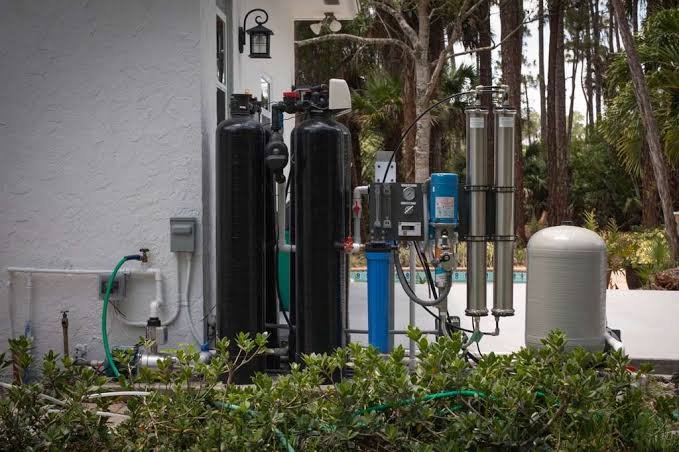
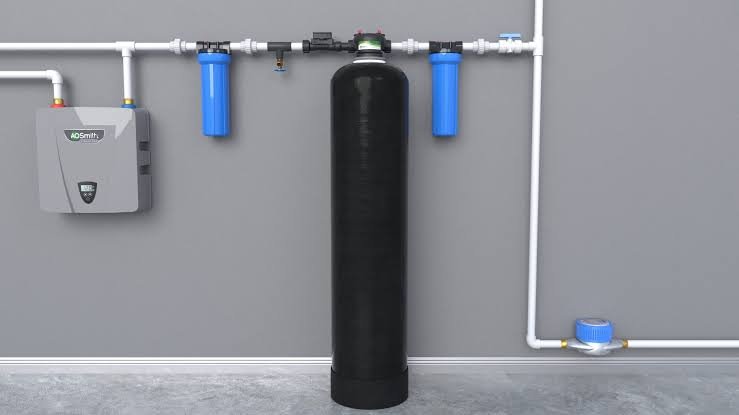
Every home has different water concerns, so treatment should not be one-size-fits-all. One home may need a softener to reduce mineral buildup. Another may need carbon filtration for taste and odor. A third may need reverse osmosis for drinking water. A well-water home might need sediment filtration, iron treatment, UV disinfection, or a combination system.
The best approach begins with the problem and works toward the solution. That sounds obvious, but it is where many people go wrong. They start with a product instead of the water.
A good provider should explain the results clearly and recommend only what makes sense for the home.
How Better Water Changes Daily Life
Improved water often brings practical benefits quickly. Glasses look clearer. Showers feel fresher. Coffee tastes cleaner. Laundry may soften up. Appliances may deal with less buildup. Faucets and fixtures may stay cleaner for longer.
Related readingChoosing the Right Water Treatment: From Testing to Reverse Osmosis and UV
There is also the simple relief of not wondering about every glass of water. Families may stop relying so heavily on bottled water. Cooking feels more dependable. Kids may drink more water when it tastes better. Even small things, like making ice or filling a kettle, feel easier.
Better water does not shout for attention. It just quietly improves the background of daily life.
Maintenance Matters Too
Installing a water treatment system is not the end of the story. Filters need to be changed. Softener salt may need checking. UV lamps, if used, must be replaced on schedule. Systems should be serviced according to their design and the household’s water use.
A neglected system will not perform the way it should. That is why homeowners should understand maintenance before installation, not after something stops working.
Good water treatment is part equipment, part care, and part common sense.
A Smarter First Step for Every Home
Water affects more of the home than most people realize. It influences taste, comfort, cleaning, plumbing, appliances, and peace of mind. When something seems wrong, it is worth looking deeper instead of working around the problem forever.
A proper test can turn vague doubts into clear information. From there, homeowners can choose a treatment plan that fits their water, their home, and their daily routines.
Clean water is not just about what you see in the glass. It is about knowing what is there, solving the real issue, and making everyday life feel a little more comfortable.