Most homeowners don’t think about their water until it starts misbehaving. A cloudy glass here, a stubborn stain there, a showerhead that sprays sideways for no obvious reason. At first, these things feel like little annoyances, the kind you promise yourself you’ll deal with next weekend. Then next weekend becomes next month, and before long, the signs are just part of the house.
But water problems are rarely just about appearance. The water flowing through your pipes every day can affect plumbing, appliances, cleaning routines, laundry, skin, hair, and even monthly energy costs. It’s one of those quiet home maintenance issues that doesn’t always shout for attention, but it keeps working in the background.
When Water Leaves Clues Behind
One of the most common signs of hard water is scale buildup around faucets, showerheads, and appliances. It often looks like a chalky white or gray crust, and most people notice it first on taps or glass shower doors. You wipe it away, it returns. You scrub harder, it returns again. Annoying, yes, but also useful. It’s a clue.
Scale forms when minerals like calcium and magnesium are present in the water. These minerals are not always harmful to drink, but they can be rough on your home over time. As water heats, evaporates, or sits on surfaces, those minerals get left behind. That’s why kettles, coffee machines, dishwashers, and water heaters often show the effects faster than other areas.
Related readingWhy Better Water Starts with Knowing What’s in It
Why Hard Water Is More Than a Cleaning Problem
It’s easy to think of mineral buildup as a housekeeping issue. After all, the first thing you notice is usually a stain or crusty faucet. But hard water can create problems beyond what you can see.
Inside pipes and appliances, mineral deposits can gradually collect. Water heaters may need to work harder because scale acts like a barrier between the heating element and the water. Dishwashers may leave spots on glasses. Washing machines might struggle to rinse detergent properly. Even soap can feel less effective, which is why some people keep adding more shampoo, more body wash, more laundry detergent, without realizing the water itself is partly to blame.
Over time, these small inefficiencies can become expensive. Not always overnight, of course. That’s what makes it sneaky. Hard water damage usually happens slowly, in tiny layers.
Related readingWhy Knowing What’s in Your Water Can Make Every Day a Little Better
The Plumbing Side People Don’t See
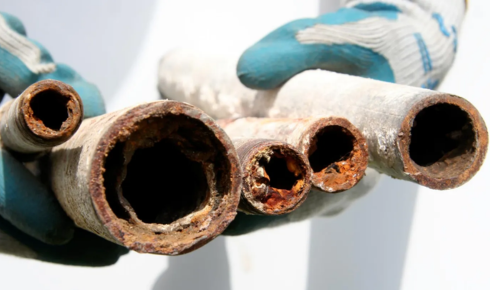
The pipes behind your walls are easy to ignore because, well, you can’t see them. But water quality matters there too. Mineral-heavy water can contribute to reduced flow, clogged fixtures, pressure issues, and premature wear on certain plumbing components.
In more serious situations, long-term mineral deposits may increase the risk of plumbing damage, especially when combined with corrosion, older pipes, or neglected maintenance. The issue is not always dramatic at first. A faucet may run slower. A showerhead may clog more often. A water heater may make popping sounds. These little signs can point to a larger pattern happening inside the system.
And nobody wants plumbing problems to become an emergency. A small water quality issue is much easier to deal with than a major repair bill later.
Appliances Feel It Too
Your home’s appliances depend on water more than you might realize. Water heaters, washing machines, dishwashers, refrigerators with ice makers, coffee machines, and humidifiers can all be affected by mineral content or other water concerns.
Related readingCleaner Water Starts With Understanding How Filtration Works
A water heater is one of the best examples. When minerals collect at the bottom of the tank, the system may lose efficiency. It might take longer to heat water. It might use more energy. It may also develop noise, sediment problems, or reduced lifespan. That’s frustrating because water heaters aren’t exactly cheap to replace.
Dishwashers also suffer. If you’ve ever pulled out “clean” glasses only to find them cloudy or spotted, hard water could be the reason. Laundry can feel stiff. Towels may lose softness. White clothes may look duller over time. These things are small, but they add up in daily life.
Bad Water Makes Home Care Harder
There’s something tiring about constantly cleaning the same stains. The sink looks good for a day, then the marks come back. The shower glass turns cloudy. The toilet bowl gets rings. Faucets lose their shine.
Related readingWhat Blue-Green Stains Can Tell You About Your Water
That’s often the everyday reality of poor water quality. It doesn’t just affect drinking water. It affects how the whole home feels and functions. Cooking, bathing, washing, cleaning, and appliance care all depend on water. When the water isn’t balanced, everything takes a bit more effort.
This is why many homeowners eventually stop asking, “Why is my bathroom always dirty?” and start asking, “What’s in my water?” That second question is usually the better one.
Testing Comes Before the Right Solution
One mistake people make is buying a random filter or softener without knowing what problem they’re trying to solve. It’s understandable. You notice stains or buildup, search online, and suddenly there are hundreds of products promising better water.
But water treatment should be based on testing, not guessing. A proper water test can show hardness levels, chlorine, iron, sediment, pH concerns, and other issues depending on the source. Once you know what’s in the water, it becomes much easier to choose the right system.
Related readingBetter Water Starts With Choosing the Right Treatment Approach
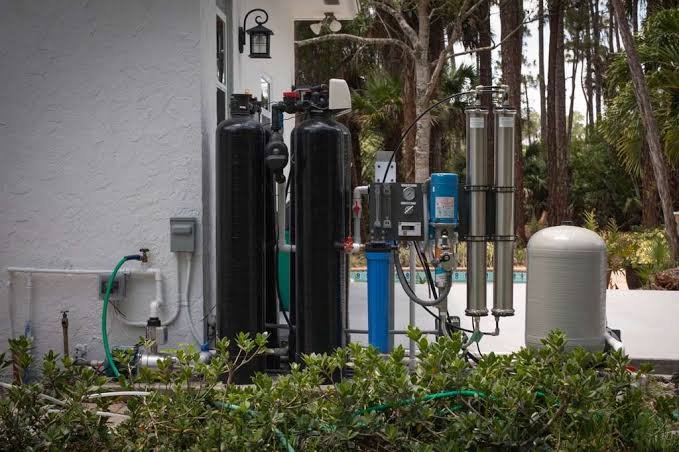
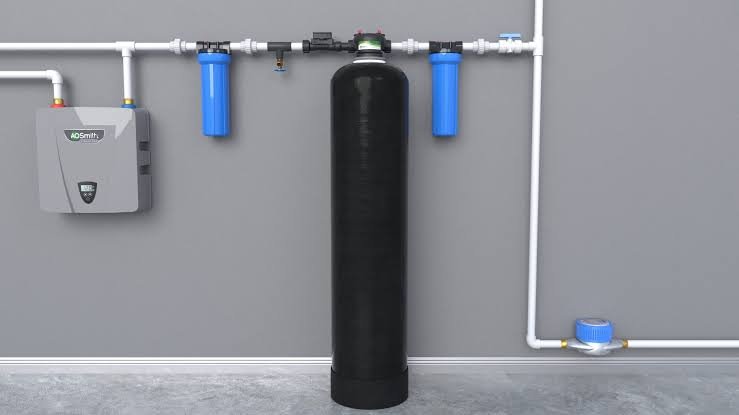
A water softener may be ideal for hard water. A sediment filter may be needed for particles. A carbon filter may help with taste and odor. Some homes need a combination. Others need only a simple fix. The key is matching the treatment to the water, not buying the biggest system because it sounds impressive.
Better Water Feels Like Less Work
When water is properly treated, the difference can be surprisingly noticeable. Soap lathers better. Fixtures stay cleaner longer. Appliances may run more efficiently. Showers can feel better on skin and hair. Dishes come out clearer. Laundry feels softer. The house doesn’t fight you as much.
And honestly, that’s what most homeowners want. Not some complicated technical upgrade, just a home that works better and takes less effort to maintain.
A Small Step That Can Prevent Bigger Trouble
Water problems are easy to delay because they don’t always feel urgent. But waiting too long can allow minor issues to become more costly. If your faucets are crusty, your shower pressure keeps dropping, your glasses look spotted, or your water heater seems noisier than usual, it may be time to look closer.
Start with testing. Understand what your water is doing. From there, a smart treatment plan can protect your plumbing, support your appliances, and make daily routines feel a little easier.
Good water should not be a luxury. It should be part of a healthy, comfortable home. And sometimes, the best thing you can do for your house is simply listen to what the water has been quietly telling you all along.