There’s something unsettling about turning on the tap and getting a smell you weren’t expecting. Clean water should feel simple. It should look clear, taste fresh, and not make you pause before filling a glass. But in plenty of homes, water has a way of announcing problems through little warning signs — a rotten egg odor, a musty smell, a metallic taste, or that strange swimming-pool hint that lingers in the kitchen sink.
And once you notice it, you can’t really un-notice it.
Water quality issues are easy to put off because they don’t always feel urgent. The water still runs. The shower still works. Coffee still brews. But odd odors and tastes often mean something is happening behind the scenes, and it’s worth paying attention before the problem becomes more frustrating, or more expensive.
Why Water Starts to Smell
Different smells usually point to different causes. A rotten egg odor, for example, is often linked to sulfur or hydrogen sulfide gas. A musty or earthy smell may be connected to organic matter, algae, or changes in the water source. Chlorine smells are common in many municipal supplies, especially when disinfectants are used to treat public water.
Related readingCleaner Water Starts With Understanding How Filtration Works
Then there’s smelly water that seems to come and go depending on which tap you use. That detail matters. If the odor only appears in hot water, the water heater may be part of the issue. If it happens at every faucet, the problem may be coming from the main supply, the well, or the plumbing system itself. Water is a bit like a messenger that way — annoying, yes, but useful if you listen closely.
A bad smell is usually what grabs attention first, but taste can say just as much. Metallic water may suggest minerals, old pipes, or corrosion. Bitter or chemical-like water may point toward treatment chemicals or contamination concerns. Salty water, while less common in many areas, can signal dissolved solids or source-related issues.
People sometimes get used to these things. They buy bottled water, avoid the tap, or tell themselves, “It’s always been like this.” But water that doesn’t taste right affects daily life more than we admit. It changes how tea tastes. It changes soup, pasta, ice cubes, baby formula, and even pet bowls. The kitchen becomes the place where water quality becomes personal.
Drinking Water Deserves Special Attention
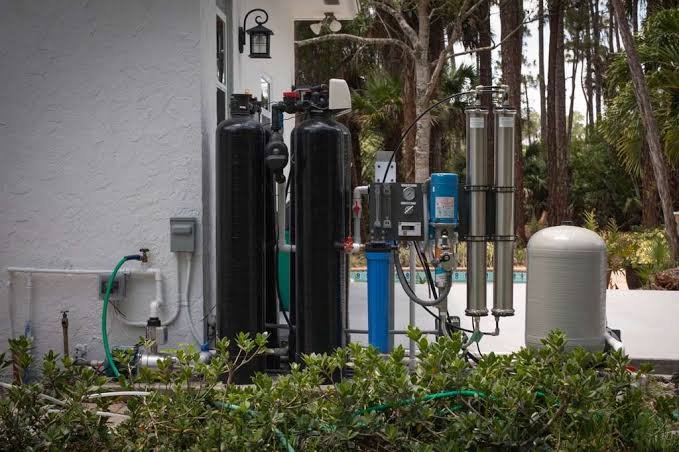
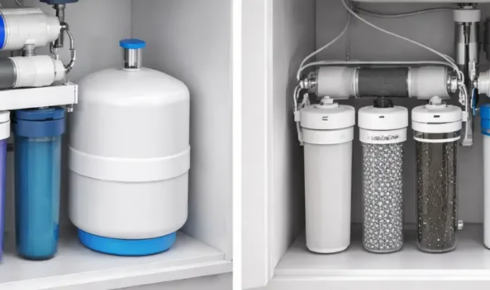
Whole-home filtration can help with many issues, but drinking water often deserves its own focused solution. A reverse osmosis drinking water system is commonly chosen by homeowners who want cleaner, better-tasting water from a dedicated tap. It can reduce many dissolved substances that affect taste, clarity, and overall drinking quality.
This kind of system is especially appealing for families who are tired of buying bottled water. Bottles pile up, take space, cost money, and create waste. Having filtered drinking water available right at the sink feels more convenient. It’s one of those upgrades that quietly becomes part of daily life.
Related readingBetter Water Starts With Choosing the Right Treatment Approach
When Odor May Be a Safety Concern
Not every water smell means danger. Some issues are more about comfort than health. Still, certain signs should not be ignored, especially with private wells or older plumbing. Water that suddenly changes smell, color, or taste should be tested. The same goes for water that causes stomach discomfort, recurring stains, or unexplained sediment.
In some situations, testing may look for waterborne pathogens, particularly when a private well, flooding, damaged pipes, or contamination risk is involved. Bacteria and microorganisms are not always visible, and they may not always create a strong smell. That’s why proper testing is important. Guessing is not enough when health could be involved.
The Role of Water Testing
Before installing any system, it makes sense to test the water. A good water test helps identify whether the issue is hardness, iron, sulfur, chlorine, sediment, bacteria, dissolved solids, or something else. Without testing, homeowners may buy equipment that only solves part of the problem — or worse, doesn’t solve the actual problem at all.
Testing also helps separate simple nuisance problems from more serious concerns. Maybe the odor is coming from the water heater. Maybe the tap needs a filter. Maybe the well needs treatment. Maybe the plumbing needs inspection. The right answer depends on the source, not just the symptom.
Related readingWhy Knowing What’s in Your Water Can Make Every Day a Little Better
Better Water Should Feel Easy to Live With
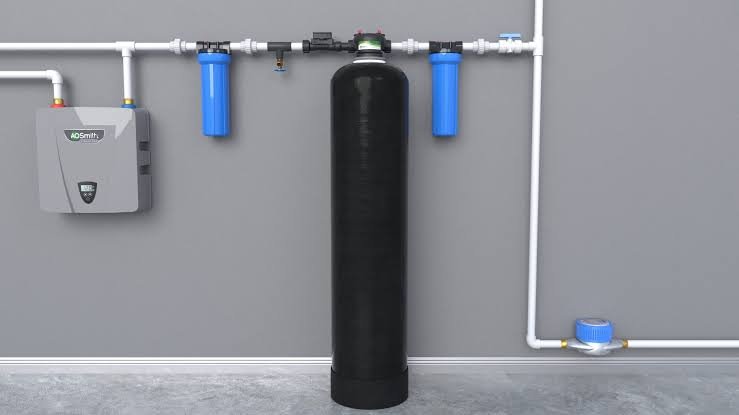
A properly chosen water treatment system should not make life more complicated. It should fit the home, match the test results, and be easy to maintain. Filters need changing. Systems need occasional service. But good equipment, installed correctly, should give homeowners more confidence — not another chore to worry about every week.
The improvement can be surprisingly noticeable. Water tastes cleaner. Ice looks clearer. Cooking feels better. Showers may feel fresher. Even guests may notice the difference, though they might not know exactly why.
A Simple Step Toward Peace of Mind
If your water smells odd, tastes strange, or leaves you wondering whether it’s really as clean as it should be, don’t ignore it. Start with testing. Ask questions. Look at the whole picture — drinking water, bathing water, plumbing, appliances, and the source itself.
Related readingA Smarter Look at Whole-House Water Filtration and Advanced RO Technology
Clean water is one of those home comforts that should feel dependable. You shouldn’t have to hesitate before taking a sip or wonder why the bathroom sink smells strange again. With the right information and the right treatment approach, better water can become one less thing to worry about.