There’s something oddly comforting about turning on the kitchen tap. You fill a glass, maybe make coffee, rinse fruit, boil pasta, brush your teeth. Water is so woven into the day that most of us barely pause to question it. It looks clear, it smells normal enough, and that usually feels like proof that everything is fine.
But water can be a little sneaky. Clear doesn’t always mean clean. Fresh-tasting doesn’t always mean free from issues. And sometimes the things that matter most in household water are the things you can’t see, smell, or taste at all.
That’s not meant to sound alarming. It’s just reality. Water travels a long way before it reaches a home, passing through pipes, soil, treatment systems, wells, storage tanks, and municipal networks. Along the way, it can pick up minerals, chemicals, sediment, metals, bacteria, and other unwanted substances. Some are harmless in small amounts. Others deserve attention.
Related readingCleaner Water Starts With Understanding How Filtration Works
Why Water Quality Is More Personal Than People Think
Two homes on the same street can have different water concerns. One house might deal with old plumbing. Another may rely on well water. A third may have perfectly acceptable municipal water but still experience taste, odor, or sediment issues because of local pipe conditions.
That’s why guessing doesn’t always help. You can buy a filter because a neighbor recommended it, and it may still not solve your problem. Water quality depends on source, plumbing age, local conditions, seasonal changes, and even how long water sits in pipes before use.
It’s a bit like treating a cough without knowing whether it’s allergies, a cold, or dust in the room. You might get lucky. Or you might spend money on the wrong fix.
Related readingWhy Knowing What’s in Your Water Can Make Every Day a Little Better
The Hidden Stuff That May Be in Water
Most homeowners notice water problems only when they become obvious. A metallic taste. A rotten egg smell. Rust-colored stains. Cloudy ice cubes. White scale around the faucet. Those signs are useful, sure, but they don’t tell the whole story.
Some contaminants leave no dramatic clue behind. Lead from older plumbing, nitrates from agricultural runoff, certain bacteria in wells, chlorine byproducts, and microscopic particles may not announce themselves clearly. You may drink the water for months and never suspect a thing.
This is where professional water testing becomes so valuable. A proper test gives you actual numbers instead of vague impressions. It can identify what is present, how much of it is there, and whether the levels are worth treating. For families with children, elderly relatives, private wells, or older homes, that peace of mind is not a small thing.
Filters Are Not All the Same
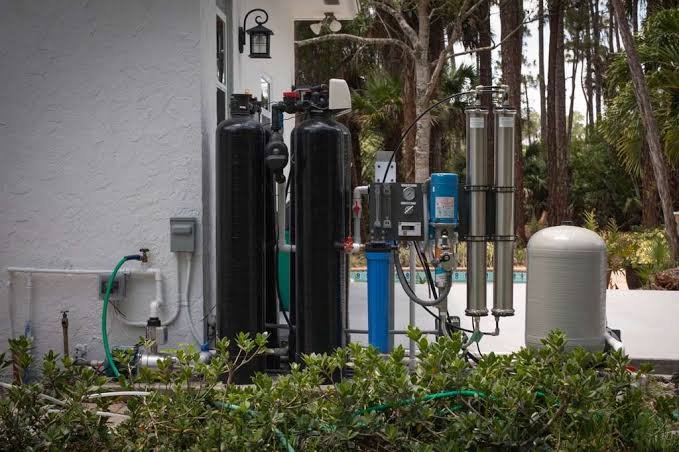
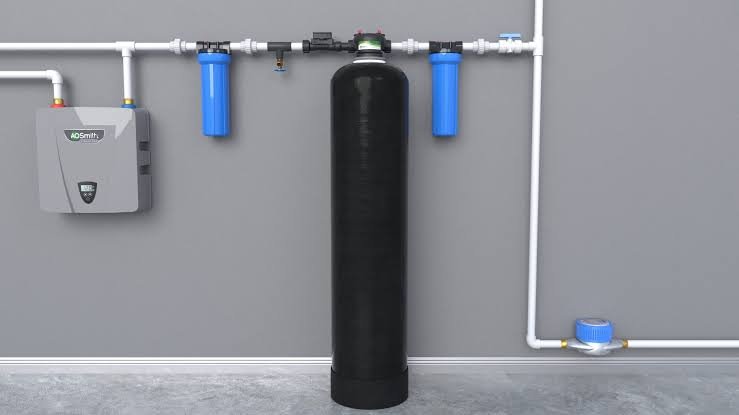
One of the biggest misunderstandings about home water treatment is the idea that “a filter is a filter.” In reality, different systems do different jobs. A carbon filter may improve taste and reduce chlorine. A reverse osmosis system may target dissolved solids and certain contaminants. A sediment filter catches particles like sand, dirt, or rust. UV systems are commonly used for microbial concerns, especially with well water.
Related readingA Smarter Look at Whole-House Water Filtration and Advanced RO Technology
So, the best water treatment solution is rarely the most expensive one by default. It’s the one matched to the problem.
Good contaminant removal depends on knowing what needs to be removed in the first place. That sounds obvious, but many people skip this step. They see a water filter online, read a few reviews, and assume it will handle everything. Some filters are excellent, but only within their design limits. A filter that works beautifully for chlorine taste may do very little for dissolved metals or bacteria.
When Taste and Smell Are Only Part of the Story
Taste matters. Nobody wants water that smells like a swimming pool or tastes like old coins. Better-tasting water encourages people to drink more of it, cook with it, and stop relying so much on bottled water. That’s a win.
But taste is not the only goal. Some water issues affect appliances, plumbing, laundry, skin, and general home comfort. Hard water can leave scale in kettles and water heaters. Iron may stain sinks and toilets. Sediment can clog fixtures. Chlorine can make showers feel harsher than they should.
Related readingBetter Water Starts With Choosing the Right Treatment Approach
Sometimes the improvement after treatment is subtle. The water feels cleaner. Tea tastes better. Faucets stay clearer for longer. The dishwasher behaves itself. These are ordinary things, but ordinary things shape daily life more than we admit.
Well Water Needs Extra Attention
Homes with private wells have a special responsibility. Municipal water is usually monitored and treated before reaching homes, but private wells are different. The homeowner is often responsible for testing and maintaining water safety.
Well water can be affected by nearby farming, septic systems, flooding, underground minerals, construction, and seasonal rainfall. Even if the water has been fine for years, conditions can change. A storm, a damaged well cap, or shifting groundwater can introduce problems.
Related readingWhy Better Water Starts with Knowing What’s in It
Testing once and forgetting about it forever is not ideal. Regular checks help catch changes early. It’s not about being fearful; it’s about being practical. Water is too important to leave entirely to guesswork.
Choosing the Right Water Treatment Approach
The right system should fit the home, not the other way around. Some families need a whole-house system to treat water at every tap. Others only need drinking water treatment at the kitchen sink. Some need a combination: sediment filtration before a softener, carbon filtration before reverse osmosis, or UV treatment after other filtration steps.
A good approach usually starts with three simple questions. What is in the water? Where is it coming from? What do you want to improve?
The answer might be health-related, taste-related, plumbing-related, or all three. For many homeowners, the goal is simply safe drinking water that feels reliable every day. Not fancy. Not overcomplicated. Just water you can trust when you hand a glass to your child, fill the dog’s bowl, or make soup on a cold evening.
A Small Step That Can Change the Whole Home
Water quality doesn’t always demand panic, but it does deserve attention. The trouble is, we tend to wait until something looks stained, smells strange, or breaks down. By then, the problem may have been building quietly for a while.
Testing your water is a sensible first step. From there, choosing the right treatment becomes much easier, and usually more cost-effective too. Instead of buying random filters or relying on guesswork, you can make a decision based on what your home actually needs.
Clean water is not just about what comes out of the tap. It’s about confidence. It’s about knowing the water you drink, cook with, bathe in, and share with your family is being handled thoughtfully. And honestly, that kind of everyday peace is worth caring about.