Water is easy to trust when it looks clear. Most of us turn on the tap, fill a glass, start the coffee machine, rinse vegetables, and never think twice. It is just part of the background noise of home life. Quiet, ordinary, expected.
But water can be more complicated than it looks. It may taste fine and still carry minerals that leave scale behind. It may look clear and still contain microscopic concerns. It may smell normal one day and seem odd the next. For homeowners, especially those using private wells or older plumbing systems, water quality is not something to ignore until there is a big obvious problem.
The truth is, clean water is not just about drinking. It affects showers, laundry, cooking, dishwashing, appliances, pipes, fixtures, and the overall comfort of a home. When water is right, life feels smoother. When it is not, little frustrations begin showing up everywhere.
Related readingBetter Water Starts With Choosing the Right Treatment Approach
Clear Water Can Still Have Hidden Issues
One of the most misleading things about water is its appearance. A glass of water can look perfectly clean while still containing minerals, sediment, microorganisms, or other substances that affect safety and performance.
Some water problems are easy to spot. Rusty stains, rotten egg smells, cloudy water, or gritty particles usually get attention quickly. Other problems are quieter. They may only show up as stomach concerns, recurring odours, scale inside appliances, or a strange taste that seems to come and go.
That is why testing matters. A proper water test gives homeowners a clearer picture of what is actually present. Without testing, choosing a treatment system becomes guesswork, and guesswork can get expensive fast.
Related readingCleaner Water Starts With Understanding How Filtration Works
Why Germ Protection Matters
For homes using well water, farms, rural properties, or areas where water quality can shift after storms, microbial safety is a real concern. Unlike city water, private well water is not continuously treated by a municipal system. The homeowner is responsible for checking and maintaining it.
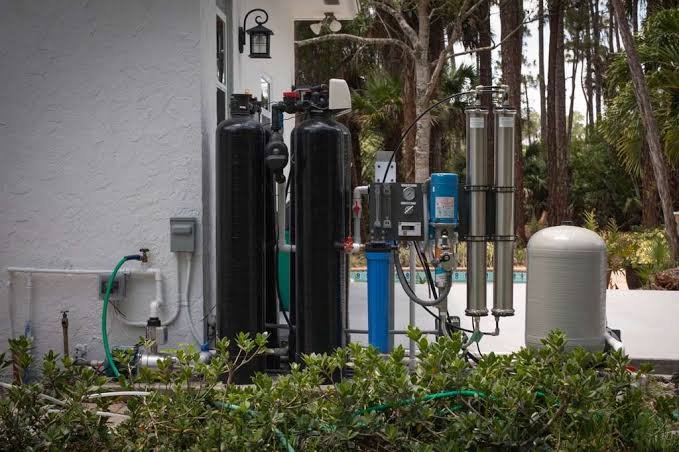
This is where UV disinfection can be a smart part of a home water treatment setup. It uses ultraviolet light to help neutralize certain microorganisms as water passes through the system, without adding chemicals or changing the taste of the water.
Of course, UV works best when the water is already clear and properly filtered. Sediment, iron, or cloudiness can interfere with performance, so it is often used alongside pre-filtration. That combination helps create a more reliable barrier for everyday household water use.
The Everyday Trouble Caused by Minerals
Not every water issue is about safety. Some problems are more about comfort, maintenance, and long-term protection. Mineral-heavy water is one of the most common examples, and many homeowners know the signs even if they do not know the cause.
Related readingWhy Knowing What’s in Your Water Can Make Every Day a Little Better
White crust around faucets. Spots on glassware. Dry-feeling skin after a shower. Soap that refuses to lather properly. A water heater that seems to work harder than it should. These are often signs of hard water, which contains higher levels of minerals like calcium and magnesium.
While hard water is not usually considered dangerous to drink, it can be rough on a home. Scale builds up in plumbing, appliances, showerheads, and water heaters. Over time, this can reduce efficiency, increase cleaning time, and shorten the life of water-using equipment.
The Problem You Cannot See
Some water concerns are especially unsettling because they cannot be detected by taste, smell, or sight alone. A family may use the water every day and have no clue there is an issue until testing reveals it.
That is why bacteria contamination should never be brushed aside, especially with private wells. It can happen because of damaged well caps, nearby flooding, poor well construction, septic issues, surface runoff, or changes in groundwater conditions.
If bacteria are found, the solution should be handled carefully. Sometimes the well needs shock chlorination. Sometimes repairs are needed. In many cases, ongoing treatment may be recommended to reduce future risk. The right step depends on the test results and the condition of the water system.
Related readingWhy Paying Attention to Your Water Today Can Save You Trouble Tomorrow
Treatment Should Match the Real Problem
Water treatment is not one-size-fits-all. A home with mineral scale needs a different approach than a home with microbial concerns. A property with sediment may need filtration before any advanced system can work properly. A home with taste and odour issues may need carbon filtration, while a well with iron may require a more targeted solution.
The best water systems are chosen after testing, not before. A good professional will look at the results, ask how the water is used, check the household size, and explain options in plain language. No one should feel pushed into equipment they do not understand.
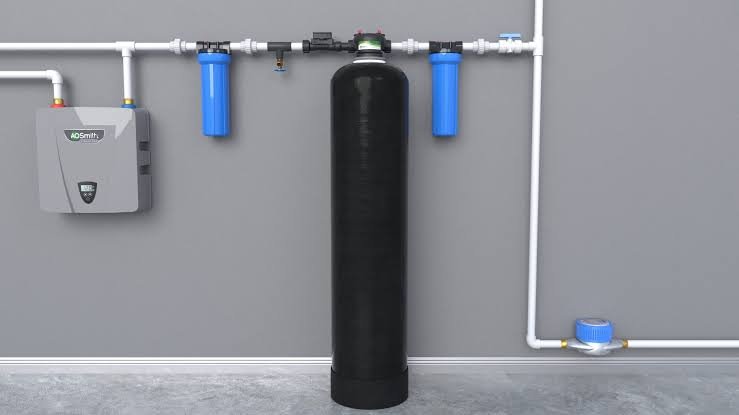
Sometimes one system solves the issue. Other times, a layered approach works better: sediment filtration first, then softening, then drinking water treatment, then disinfection if needed. It depends on the water.
Related readingClean Water at Home Starts with Asking the Right Questions
Maintenance Is Part of Clean Water
Installing a treatment system is only the beginning. Filters need replacement. UV lamps need changing on schedule. Softeners need proper settings and care. Well water should be retested from time to time, especially after flooding, repairs, long periods of non-use, or sudden changes in taste, smell, or appearance.
A little maintenance goes a long way. It keeps systems working properly and helps prevent old issues from returning. Skipping service may save money for a moment, but it often costs more later.
Better Water Makes Home Life Easier
Good water does not always feel dramatic. It usually shows up in small, welcome ways. Coffee tastes cleaner. Showers feel better. Dishes come out clearer. Laundry feels fresher. Appliances deal with less buildup. And most importantly, there is more confidence every time someone fills a glass from the tap.
Water touches nearly everything in a home, so improving it can improve daily life more than people expect. Start with testing, understand the actual problem, and choose treatment that fits the water rather than guessing.
Clean water should feel simple. But getting there often starts with paying closer attention to what is really coming through the tap.