Water is one of those things we use all day without giving it much credit. It fills the coffee maker before sunrise, runs through the dishwasher after dinner, rinses shampoo from our hair, cleans uniforms, cools equipment, washes produce, and keeps workplaces moving in a hundred small ways. When the water is good, nobody says much. When it tastes odd, smells strange, leaves stains, or damages equipment, suddenly everyone notices.
That’s the tricky thing about water quality. Problems can be quiet at first. A little spotting on glassware. A faint chlorine taste. Dry skin after showers. Scale around faucets. Ice that smells slightly off. In a business setting, it may show up as cloudy drinks, unhappy customers, inefficient equipment, or higher service costs. None of it feels huge in the beginning, but it adds up.
Why Guessing Is Usually the Wrong First Step
A lot of people try to solve water problems by buying whatever filter looks popular online. Sometimes it helps. Sometimes it doesn’t. The reason is simple: not every water issue has the same cause.
Related readingCleaner Water Starts With Understanding How Filtration Works
Hard water needs one kind of treatment. Chlorine taste needs another. Sediment, iron, sulfur odor, bacteria concerns, and cloudy drinking water may all need different approaches. A basic pitcher filter might improve taste a little, but it won’t protect an entire building. A softener may reduce hardness, but it won’t necessarily solve odor or microbial concerns.
That’s why free water testing can be such a useful starting point. Instead of guessing, testing gives homeowners and business owners a clearer look at what is actually in their water. From there, decisions become practical, not random.
The Everyday Signs of Poor Water Quality
Water problems often leave clues. White crust around faucets usually points toward hardness minerals. Orange or reddish stains may suggest iron. A rotten-egg smell can be linked to sulfur issues. A swimming-pool taste often comes from chlorine. Cloudy water may involve air, sediment, or other suspended particles.
At home, these issues affect comfort. Clothes may feel stiff. Hair may feel dull. Soap may not lather well. Dishes may come out spotted even after a full wash cycle. Over time, appliances like dishwashers, water heaters, washing machines, and coffee makers may also deal with buildup.
Related readingClean Water at Home Starts with Asking the Right Questions
For businesses, the stakes can be higher. A restaurant depends on clean-tasting water for beverages, ice, cooking, and customer confidence. Offices want drinking water employees actually enjoy. Hotels, gyms, clinics, schools, and manufacturing facilities all rely on water that performs consistently.
One System Does Not Fit Every Property
There is no single magic product that fixes every water concern. That may sound obvious, but it’s easy to forget when every product ad claims to be the answer.
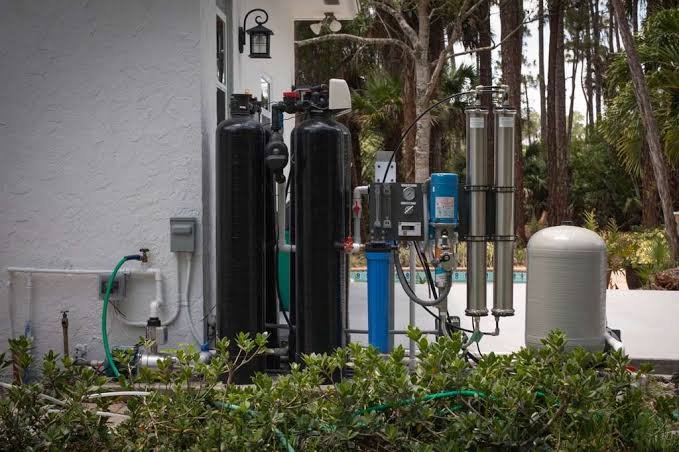
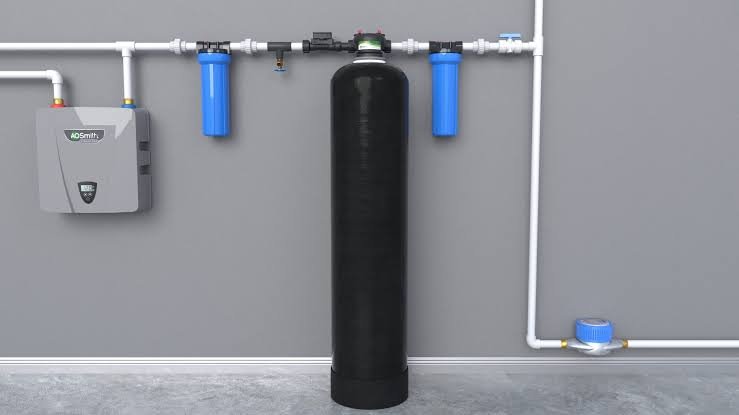
A family home may need a whole-house filtration system, a water softener, or a drinking water system under the kitchen sink. A business may need higher-capacity equipment, stronger filtration, or multiple treatment stages depending on usage. Well water often requires special attention because it may carry minerals, sediment, or biological concerns that municipal water users rarely think about.
Related readingBetter Water Starts With Choosing the Right Treatment Approach
Good water treatment is about matching the solution to the property. It should fit the water source, the building size, daily demand, budget, and long-term maintenance needs. A system that works beautifully for a small home may be completely wrong for a busy café or warehouse.
The Value of Professional Setup and Support
Even the right equipment can disappoint if it is installed poorly or ignored after setup. Filters need space. Flow rates matter. Drain lines matter. Electrical access may matter. So does choosing the correct media, cartridge, tank size, or treatment method.
That’s where professional installation and maintenance makes a real difference. A trained team can help size the system correctly, install it safely, and keep it performing over time. This is not just about convenience. It helps prevent pressure problems, leaks, early equipment failure, and weak treatment results.
Maintenance matters because water systems are not “install it and forget it” products. Filters clog. Salt runs low. UV lamps age. Membranes wear out. Media eventually needs replacement. A simple service schedule can protect the investment and keep the water quality more consistent.
Related readingWhy Paying Attention to Your Water Today Can Save You Trouble Tomorrow
Water Quality in Commercial Spaces
Business owners often think about water only when something goes wrong. But water touches daily operations in ways that are easy to overlook. It affects coffee machines, ice makers, boilers, dishwashers, laundry equipment, restroom fixtures, beverage stations, and sometimes even production processes.
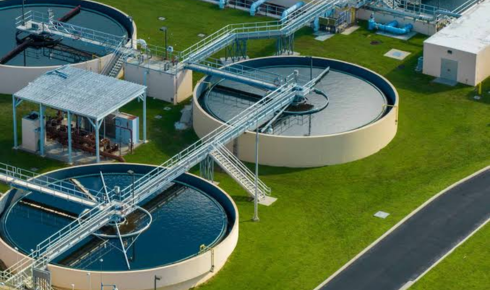
Reliable commercial water systems can help businesses manage quality, consistency, and equipment protection on a larger scale. These systems may include filtration, softening, reverse osmosis, UV treatment, or custom combinations depending on the property’s needs.
For customer-facing businesses, better water can also improve the experience people remember. A guest may not know why the coffee tastes cleaner or why the ice doesn’t smell strange, but they notice. Employees notice too, especially when they no longer avoid the office water cooler.
Better Water Can Save More Than Time
Water treatment is often discussed in terms of taste and comfort, but there is also a practical money side. Scale buildup can make equipment work harder. Clogged fixtures slow things down. Poor water quality may lead to more cleaning, more repairs, more replacement parts, and more frustration.
Related readingWhy Better Water Starts with Knowing What’s in It
In a home, that might mean scrubbing shower glass every few days or replacing small appliances sooner than expected. In a business, it can mean service calls, downtime, inconsistent product quality, or complaints. A well-chosen system will not solve every maintenance issue, of course, but it can reduce avoidable water-related problems.
A Cleaner Routine, Day After Day
There is something calming about water that simply works the way it should. The tap tastes clean. The shower feels better. Appliances run with less mineral stress. Employees and customers have fewer reasons to complain. The whole property feels a little more cared for.
That kind of improvement may not be dramatic, but it is real. Better water touches ordinary routines, and ordinary routines shape how a place feels.
The smartest first step is not buying the biggest system or the most expensive filter. It is understanding the water. Once the actual issues are clear, the right treatment plan becomes much easier to choose. Whether for a home, office, restaurant, clinic, or larger facility, good water starts with good information — and continues with equipment that is installed well, maintained properly, and built around real needs.