A door is easy to overlook until it starts causing problems. It sticks after a rainy week, lets in a thin line of cold air, rattles when the wind picks up, or simply looks tired every time you come home. Most people think of doors as basic home features, but they quietly affect comfort, security, appearance, and even how much energy a house uses.
A good door should feel solid without being heavy, stylish without shouting for attention, and practical enough to work smoothly every single day. Whether you’re replacing an old front door, improving room-to-room privacy, or upgrading a side entrance that has seen better years, the right door choice can make a surprisingly big difference.
Comfort Starts at the Door
One of the biggest benefits of a well-fitted door is improved energy efficiency. Small gaps around a door frame can let warm air escape in winter and cooled air slip out in summer. At first, it may only feel like a minor draught near the floor, but over time it can make heating and cooling systems work harder than they need to.
A quality door, paired with proper seals and accurate fitting, helps keep indoor temperatures more stable. This can make rooms feel more comfortable and may reduce unnecessary energy waste. It’s not just about saving money, although that’s nice too. It’s about walking into a home that feels calmer, warmer, and better protected from the weather outside.
Related readingCleaner Water Starts With Understanding How Filtration Works
Why Fitting Matters More Than People Think
Even an expensive door can disappoint if it is poorly installed. That’s why professional installation matters. A skilled installer checks the frame, measures carefully, adjusts hinges, fits hardware correctly, and makes sure the door closes with clean, even contact around the edges.
Door fitting is one of those jobs that looks simple until something goes wrong. A slight misalignment can cause scraping, sticking, weak locking, visible gaps, or early wear on hinges and handles. In some cases, it can also affect security and weather protection.
A professional approach helps avoid these problems from the start. It means the door is not just placed into an opening, but properly set up to perform well for years.
Choosing Doors That Suit Real Homes
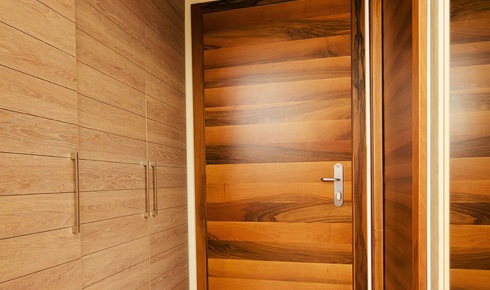
Every property has its own personality. Some homes suit traditional panel doors. Others look better with sleek modern designs, glass inserts, timber finishes, or stronger steel and fibreglass options. Good residential doors should match both the style of the property and the way the space is used.
A busy family home may need durable doors that handle daily knocks, pets, children, and constant movement. A quiet home office may need better sound control. A front entrance may need extra security and weather resistance. Patio or back doors may need to balance light, access, insulation, and safety.
Related readingBetter Water Starts With Choosing the Right Treatment Approach
There is no single perfect door for every home. The best choice depends on location, use, budget, design, and long-term maintenance needs.
Small Details Make a Big Difference
A door is more than the main slab or panel. The frame, threshold, seals, hinges, handle, lock, and finish all affect how it performs. If one part is wrong, the whole door can feel off.
For example, a good lock won’t work properly if the latch doesn’t line up. A beautiful door may still let in draughts if the seals are poor. A strong frame matters just as much as the material of the door itself. These small details are where quality workmanship shows.
Related readingWhy Better Water Filtration Can Make Everyday Life Simpler
It’s worth thinking about how the door feels in everyday use. Does it close smoothly? Does it block noise well enough? Does it feel secure at night? Does it suit the room or entrance visually? These are practical questions, but they also shape how comfortable your home feels.
Repair, Replace, or Upgrade?
Not every door problem means you need a full replacement. Sometimes a simple adjustment, new weather seal, updated lock, repaired frame, or hinge replacement can solve the issue. Other times, replacement makes more sense, especially if the door is warped, badly damaged, inefficient, or no longer secure.
A reliable door specialist should explain your options clearly. The goal should be to choose the solution that makes sense, not the most expensive one. Honest advice matters because homeowners do not always know whether a problem is minor or a sign of something bigger.
Related readingWhy the Right Windows Are Worth Thinking About Before You Build or Renovate
Final Thoughts
Doors may seem ordinary, but they play a daily role in how your home looks, feels, and functions. A properly chosen and fitted door can improve comfort, reduce draughts, support security, and refresh the appearance of a property without a major renovation.
Sometimes the best home improvements are the ones you stop noticing because they simply work. A door that closes smoothly, locks easily, and keeps the weather outside brings a quiet kind of satisfaction. And in a busy home, that kind of reliability is worth more than people realise.