Hot water is one of those everyday comforts that becomes invisible. You notice it when you step into a warm shower after a long day, but you probably don’t think about the appliance making it happen. That changes quickly when the water turns cold, the tank starts leaking, or the heater makes a noise that sounds suspiciously like a kettle full of rocks.
A water heater works hard behind the scenes. It supplies showers, sinks, dishwashers, washing machines, and countless other household tasks. Like any major appliance, though, it needs the right care and eventually may need to be repaired or replaced.
The good news is that homeowners don’t have to wait for a complete breakdown to take action. A little attention now can prevent a much bigger headache later.
Related readingBetter Water Starts With Choosing the Right Treatment Approach
Why Proper Installation Matters From Day One
A quality water heater can still perform poorly if it’s installed incorrectly. Connections need to be secure, safety components need to work properly, and the system needs to match the property’s energy supply and hot-water demand.
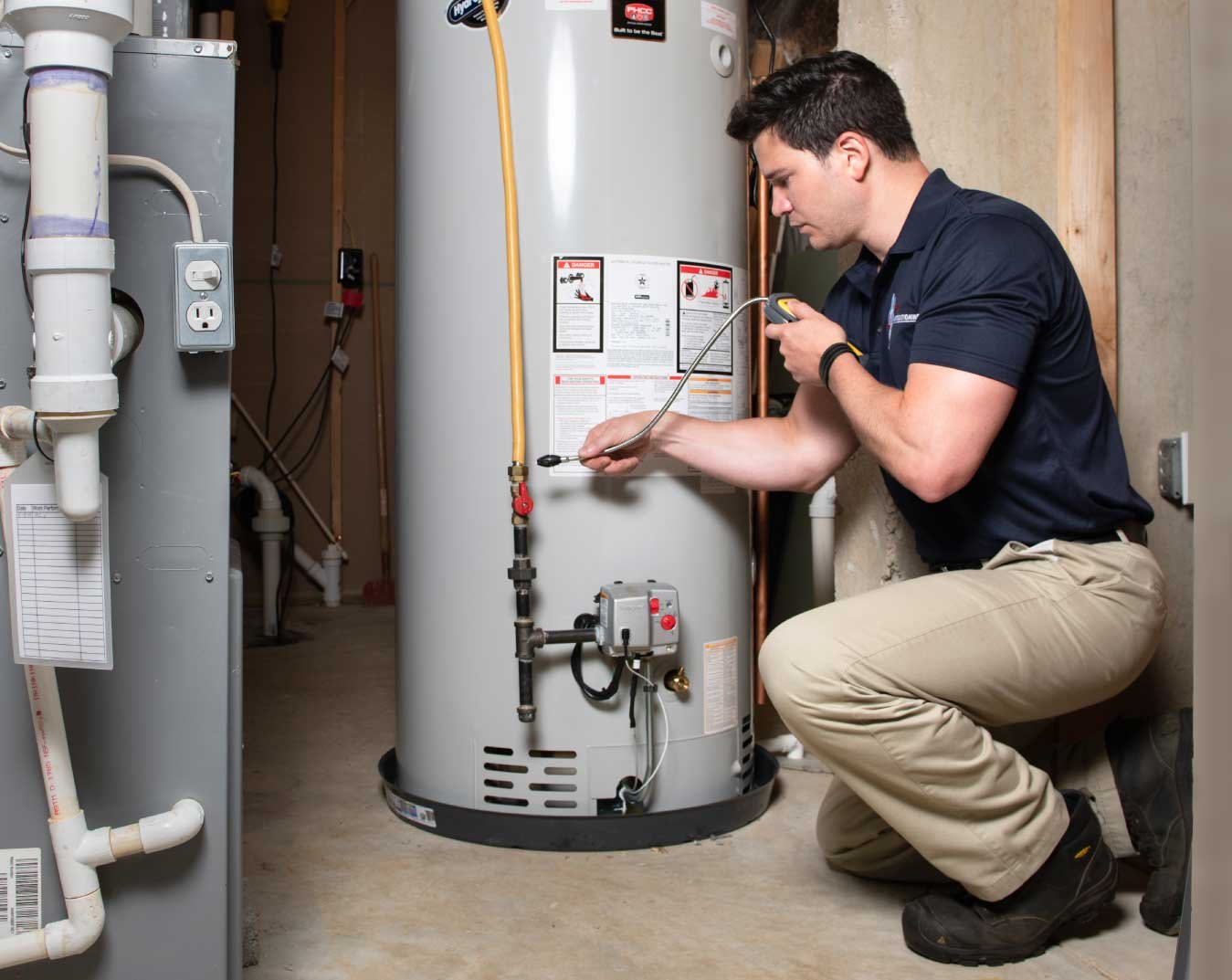
Professional water heater installation is about more than connecting pipes and turning the unit on. The installer needs to consider factors such as available space, electrical or gas requirements, ventilation where applicable, water pressure, drainage, temperature controls, and manufacturer specifications.
Getting the size right is important, too. A household of two people probably doesn’t have the same hot-water requirements as a family of six. Choosing a unit that’s too small can mean cold showers at inconvenient times, while an unnecessarily large system may increase energy use.
In other words, installation isn’t the place to cut corners.
Know the Warning Signs Before the Heater Fails
Water heaters often give homeowners clues before they stop working completely.
Related readingChoosing the Right Water Treatment: From Testing to Reverse Osmosis and UV
If the water takes longer to heat, doesn’t stay hot for as long, or suddenly changes temperature during a shower, something may be wrong. Strange sounds can also be meaningful. Popping or rumbling noises in tank-style heaters may be associated with sediment buildup.
Then there’s the obvious one: water around the base of the tank.
A small amount of moisture shouldn’t automatically be ignored. It could be condensation or a connection issue, but it could also indicate a developing leak. If the tank itself is leaking, the situation usually requires prompt professional attention.
It’s much easier to deal with a questionable water heater on a calm Tuesday afternoon than during a flooded weekend morning.
Related readingWhat Really Matters When Choosing a Quality Water Treatment System
When Repair Is No Longer the Best Answer
Not every water heater problem requires replacement. A faulty thermostat, heating element, valve, or connection may be repairable.
But eventually, an aging heater becomes difficult to justify.
If repairs are becoming frequent, the system is struggling to keep up, or the tank has developed significant corrosion, water heater replacement may be the more sensible long-term choice.
Think about the total cost rather than one repair bill. Spending a modest amount on a repair for a relatively young system can make perfect sense. Spending that same amount repeatedly on an old heater is a different story.
Age matters, but it isn’t the only factor. The condition of the tank, repair history, energy efficiency, household demand, and expected future performance should all be considered before making a decision.
Related readingCleaner Water Starts With Understanding How Filtration Works
Choosing Between Traditional and Tankless Systems
Homeowners have more choices today than they once did.
Traditional storage water heaters keep a supply of heated water in a tank. They’re familiar, widely available, and suitable for many households. Tankless systems, meanwhile, heat water as it flows through the unit and can save space.
Neither option is automatically right for everyone.
Tankless systems may be attractive for homes with limited space or homeowners interested in avoiding the energy required to keep a large tank continuously heated. However, sizing and installation requirements are important.
Related readingWhy Better Water Starts with Knowing What’s in It
Traditional systems can offer a ready supply of hot water, but the tank itself takes up space and may lose heat over time.
The best choice depends on your home’s layout, water usage, energy source, budget, and priorities. There’s no prize for choosing the trendiest option if it doesn’t suit your household.
Small Plumbing Problems Can Point to Bigger Ones
Your water heater doesn’t operate in isolation. It’s connected to the wider plumbing system, and problems elsewhere can affect performance.
Low water pressure, corroded pipes, mineral buildup, leaking valves, and poor connections can all create trouble. That’s why experienced professionals often look at the bigger picture instead of focusing only on the appliance showing symptoms.
Good plumbing solutions should address the underlying problem rather than simply covering up the visible symptom.
For example, replacing a leaking connection without checking why the connection failed may solve today’s problem but leave you with the same issue six months later. A proper inspection can help identify whether the cause is age, pressure, corrosion, installation problems, or something else.
Water Quality Can Affect Your Equipment
Water quality deserves consideration, especially in areas with hard water.
Minerals such as calcium and magnesium can create scale on fixtures and inside plumbing components. Over time, buildup may affect water flow and the efficiency of equipment that heats water.
If you’ve noticed white deposits around faucets, cloudy water, or frequent scale buildup, it may be worth having your water quality checked.
That doesn’t mean every home needs a complicated treatment system. Testing first is the sensible approach. Once you know what’s actually in the water, you can decide whether filtration, softening, or another treatment method is appropriate.
Simple Maintenance Goes a Long Way
You don’t need to spend every weekend maintaining your water heater.
Just make a habit of looking at it occasionally. Check for visible leaks. Listen for unusual noises. Keep the surrounding area clear. Pay attention when the water temperature changes unexpectedly.
If the manufacturer recommends professional maintenance, follow that guidance. Different systems have different requirements, and older equipment may need closer attention.
Also, know where your home’s main water shut-off valve is located. It sounds basic, but when a pipe suddenly breaks, knowing exactly where to turn off the water can save a lot of damage.
A Little Planning Can Prevent a Big Mess
Replacing or installing a water heater isn’t an exciting home improvement project. Nobody dreams about comparing tank sizes on a Saturday morning. Still, the decision can have a real effect on comfort, energy use, and household reliability.
The smartest approach is fairly simple: understand your hot-water needs, pay attention to warning signs, maintain the system, and get professional advice when you’re unsure.
A water heater doesn’t need constant attention. It just needs the right attention at the right time.
When it’s properly installed, appropriately maintained, and replaced before it becomes a serious liability, it can quietly provide years of dependable hot water. And really, that’s what you want—an appliance that does its job so well you barely remember it’s there.