If you’ve ever wiped down a faucet only to see white spots return the very next day, you’re not imagining things. Hard water has a way of making even the cleanest homes feel like they’re constantly in need of attention. It’s one of those household issues that creeps in quietly. At first, it seems like nothing more than cloudy glasses or stubborn soap scum. A few years later, you’re wondering why your water heater isn’t performing like it used to or why your appliances seem to wear out sooner than expected.
The truth is, not every home needs the same solution. Water quality varies from one region to another, and the best treatment system depends on your home’s specific needs. Understanding the differences between available options can save money, reduce maintenance, and make everyday life just a little easier.
Why Hard Water Is More Than an Annoyance
Hard water contains naturally occurring calcium and magnesium that dissolve into groundwater before it reaches your home. While these minerals are generally safe to consume, they leave behind deposits whenever water evaporates or is heated.
Related readingBetter Water Starts With Choosing the Right Treatment Approach
Those deposits slowly collect inside plumbing pipes, water heaters, washing machines, dishwashers, and coffee makers. Over time, they reduce efficiency and increase maintenance requirements.
Many homeowners don’t realize the connection until they notice higher utility bills, reduced water pressure, or appliances that don’t seem to last as long as expected.
Recognizing the early signs gives you an opportunity to address the problem before it becomes an expensive repair.
Related readingWhy Knowing What’s in Your Water Can Make Every Day a Little Better
Common Signs Your Home Could Benefit from Water Treatment
Hard water doesn’t always announce itself dramatically. Instead, it leaves behind subtle clues that are easy to overlook.
You may notice:
- White spots on dishes after washing
- Soap that doesn’t lather well
- Dry skin after showering
- Stiff laundry despite using fabric softener
- Mineral stains around faucets
- Cloudy shower doors
- Reduced hot water efficiency
Individually, these issues seem minor. Together, however, they often indicate that minerals are affecting your entire plumbing system.
Understanding a Salt-Based Water Softener
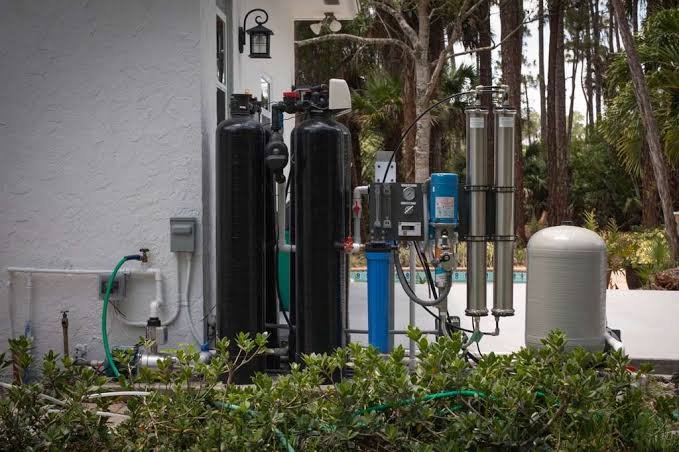
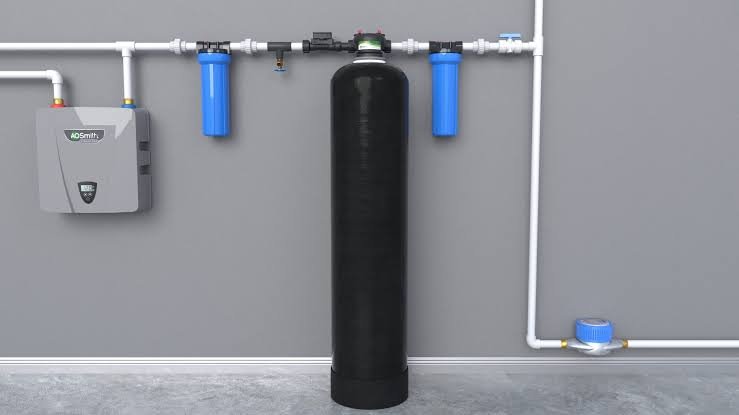
For many households with significant water hardness, a salt-based water softener remains one of the most effective solutions available.
Rather than filtering minerals out, these systems use ion exchange technology. Calcium and magnesium are replaced with sodium or potassium ions before the water flows throughout the home.
Related readingA Smarter Look at Whole-House Water Filtration and Advanced RO Technology
The result is softened water that greatly reduces mineral buildup inside pipes and appliances.
Many homeowners quickly notice softer laundry, cleaner dishes, improved soap performance, and less scale accumulation on plumbing fixtures. Water heaters often perform more efficiently because heating elements remain cleaner over time.
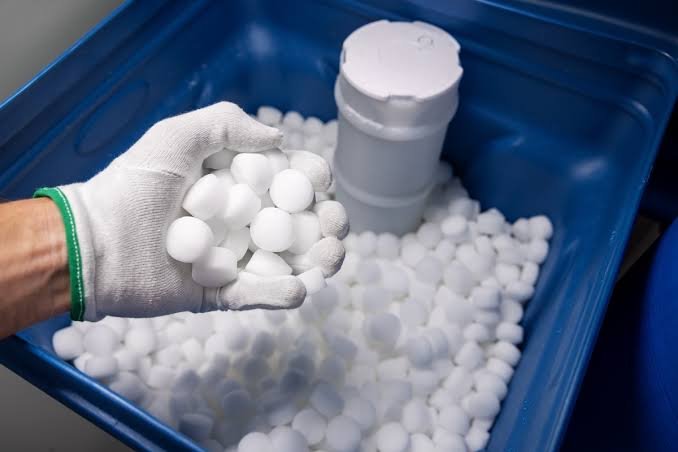
Like any system, salt-based softeners require periodic maintenance, including adding softener salt and occasional servicing, but many homeowners find the long-term benefits outweigh the upkeep.
Related readingChoosing the Right Water Treatment: From Testing to Reverse Osmosis and UV
When a Salt-Free Option Makes Sense
Not every homeowner wants traditional water softening.
Some people prefer a salt-free option because it requires less routine maintenance and doesn’t rely on salt regeneration. These systems typically work by conditioning minerals rather than removing them entirely.
Instead of eliminating calcium and magnesium, they help reduce the minerals’ tendency to stick to plumbing surfaces.
Salt-free systems may be an excellent choice in areas with moderate water hardness or for homeowners looking for a lower-maintenance alternative.
Related readingWhy Investing in Better Water Today Pays Off for Years to Come
It’s important to understand, however, that conditioned water behaves differently from softened water. Depending on your water quality and expectations, one solution may be a better fit than the other.
Understanding those differences before purchasing equipment helps prevent disappointment later.
Why Filtration Media Matters More Than Many Realize
When comparing water treatment systems, many buyers focus only on price or warranty.
In reality, the materials inside the system often determine long-term performance.
High-quality filtration components typically last longer, maintain consistent water flow, and require fewer replacements over time. Lower-quality materials may initially cost less but can lose effectiveness more quickly.
That’s why many premium systems are built using premium-grade media designed for durability, reliable treatment, and consistent performance under everyday household conditions.
While the upfront investment may be higher, better internal components frequently reduce maintenance costs throughout the system’s lifespan.
Matching the System to Your Household
Choosing the right equipment isn’t simply about buying the largest unit available.
Several factors should influence your decision:
- Household size
- Daily water consumption
- Water hardness level
- Plumbing configuration
- Local water quality
- Maintenance preferences
A family of six using large amounts of hot water has very different needs than a couple living in a smaller home.
Likewise, homes supplied by private wells may require additional filtration for iron, sulfur, or sediment alongside water softening.
Professional water testing provides valuable information that helps ensure your investment matches your actual water conditions rather than relying on assumptions.
Long-Term Benefits Go Beyond Cleaner Fixtures
One of the biggest advantages of treating hard water isn’t something you immediately notice.
Over time, protected plumbing systems generally require fewer repairs. Water heaters often maintain higher efficiency because heating elements remain cleaner. Dishwashers and washing machines experience less internal mineral accumulation, helping preserve their performance.
Cleaning also becomes easier. Soap rinses away more completely, reducing stubborn residue on sinks, tubs, and shower doors. Glassware often comes out of the dishwasher clearer, while clothing tends to feel softer after washing.
These small improvements gradually save homeowners both time and money.
Investing in Your Home’s Future
Water treatment isn’t simply about improving the appearance of faucets or eliminating cloudy glasses. It’s about protecting the systems that quietly keep your home running every day.
Whether you choose a traditional salt-based softener or explore modern conditioning technology, selecting equipment that matches your household’s needs can improve efficiency, reduce maintenance, and extend the lifespan of expensive appliances.
The best water treatment solution isn’t necessarily the most expensive one. It’s the one that’s properly sized, professionally selected, and designed to work with your home’s unique water conditions.
When you invest in better water today, you’re also investing in fewer repairs, lower maintenance costs, and a home that’s easier to care for for many years to come.