There’s something quietly reassuring about turning on the tap and expecting the water to be fine. We cook with it, rinse fruit under it, fill the kettle, bathe the kids, wash the dog, and sometimes gulp it down half-asleep in the middle of the night. Water is so woven into daily life that most of us barely think about it — until something feels off.
Maybe the water starts tasting a bit metallic. Maybe the shower leaves your skin dry. Maybe there are cloudy spots on glasses, reddish stains in the sink, or that odd chlorine smell that makes your morning tea taste like it came from a swimming pool. Small signs, yes, but they can tell a bigger story about what’s happening inside your home’s water system.
Good water isn’t just about taste. It’s about comfort, plumbing health, appliance life, and peace of mind. And sometimes, the smartest first step is simply paying attention.
Related readingBetter Water Starts With Choosing the Right Treatment Approach
The Water You See Isn’t Always the Whole Story
Clear water can still carry minerals, sediment, chlorine, iron, or other things you’d rather not have building up in your pipes and appliances. That doesn’t mean every glass of tap water is dangerous, of course. Most municipal systems are treated and monitored. But by the time water reaches your home, it may have travelled through aging lines, older pipes, or local infrastructure that affects its final quality.
For homes using wells, the situation can be even more personal. Groundwater changes with soil conditions, rainfall, nearby construction, agricultural activity, and the natural mineral makeup of the area. One neighbour’s water can be completely different from yours, even if you live on the same road.
That’s why clean water should be thought of as more than a nice phrase. It’s a practical part of a healthier, smoother-running home. When your water is properly treated, everyday tasks feel easier: laundry smells fresher, dishes look clearer, coffee tastes better, and showers don’t leave that tight, dry feeling on your skin.
How Water Quality Affects Daily Living
Hard water is one of the most common issues homeowners notice. It’s usually caused by high levels of calcium and magnesium. These minerals aren’t necessarily harmful to drink, but they can be annoying and expensive over time. Soap doesn’t lather well. Shampoo feels like it never fully rinses out. White crusty buildup forms around taps. Appliances work harder than they should.
Related readingWhy Better Water Starts with Knowing What’s in It
Then there’s iron, which may leave orange or brown stains in sinks, tubs, and toilets. Sulfur can cause that rotten-egg smell. Chlorine can create a sharp taste or odour. Sediment may make water look cloudy or leave grit behind. None of these issues are especially pleasant, and most won’t fix themselves.
What makes water problems tricky is that they often creep in slowly. You get used to the taste. You stop noticing the stains until guests mention them. The washing machine takes longer to clean clothes properly. The water heater loses efficiency bit by bit. It’s not dramatic, but it adds up.
Your Plumbing Is Part of the Water Story
A lot of homeowners focus only on what comes from the tap, but the pipes carrying that water matter too. Older pipes, corrosion, pressure changes, and mineral buildup can all influence water quality. Even a well-designed treatment system won’t work its best if the plumbing itself is neglected.
Related readingWhy Knowing What’s in Your Water Can Make Every Day a Little Better
Good home plumbing supports better water flow, fewer leaks, and less contamination risk from aging pipes or worn-out fittings. If pipes are corroded, scaled, or poorly maintained, water may pick up unwanted particles before it ever reaches your glass. That’s one reason water concerns should never be treated as a surface-level problem.
For example, if you install a filtration system but ignore severe pipe corrosion, the issue may continue in another form. If you soften water but have old fixtures full of sediment, you might not get the results you expected. Water treatment and plumbing work best when they’re considered together, not as separate problems.
The Value of Testing Before Guessing
It’s tempting to buy the first filter you see online and hope it solves everything. And sometimes a basic filter helps with taste or odour. But choosing the wrong solution can waste money and leave the real issue untouched.
That’s where professional water testing makes a real difference. A proper test can identify what’s actually in your water, whether that’s hardness minerals, iron, chlorine, bacteria, pH imbalance, total dissolved solids, nitrates, or other concerns. Instead of guessing from stains or smells, you get a clearer picture.
Testing is especially important if you use well water, have recently moved into a home, notice sudden changes in taste or colour, have a baby in the house, or rely heavily on water-using appliances. It’s also useful after plumbing repairs, flooding, or nearby construction work.
Related readingA Smarter Look at Whole-House Water Filtration and Advanced RO Technology
The best solutions usually start with facts. A water test tells you whether you need a softener, carbon filtration, reverse osmosis, UV treatment, sediment filtration, neutralization, or maybe a combination. It can also show when your water is mostly fine and only needs a smaller adjustment.
Choosing the Right Water Treatment Solution
There’s no one-size-fits-all system. A household dealing with hard water needs something different from a home battling iron stains or bacteria concerns. City water and well water often require different approaches too.
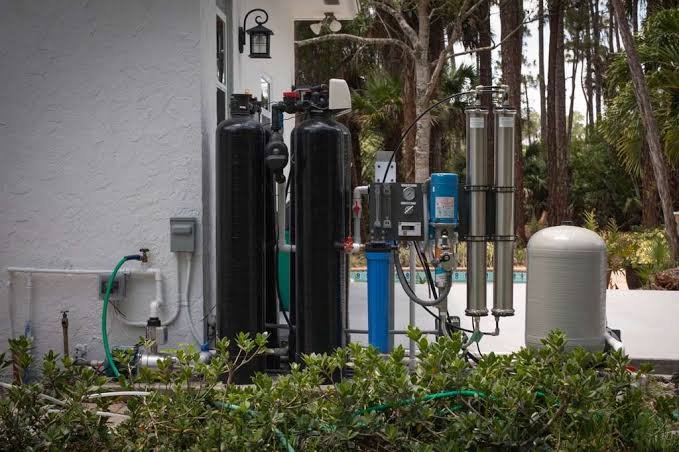
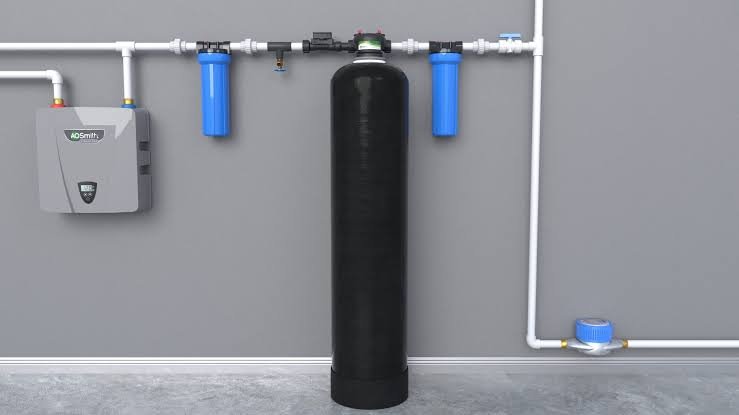
Water softeners are commonly used for hardness. Carbon filters can reduce chlorine taste and odour. Sediment filters catch dirt, sand, and rust particles. Reverse osmosis systems are popular for drinking water because they can reduce many dissolved contaminants. UV systems are often used to address bacteria in well water. Acid neutralizers may help if water is too acidic and contributing to pipe corrosion.
Related readingCleaner Water Starts With Understanding How Filtration Works
The important thing is matching the system to the problem. A fancy filter isn’t automatically the right filter. A cheaper fix isn’t always cheaper if it has to be replaced twice. And a system that works beautifully in one home may not be suitable for another.
Small Signs You Shouldn’t Ignore
Some water issues are obvious, like staining or strong smells. Others are quieter. Dry skin, dull hair, soap scum, cloudy ice cubes, spots on dishes, reduced water pressure, frequent appliance repairs, or unusual taste can all be clues.
It’s worth noticing patterns. Does the smell happen only with hot water? That could point toward the water heater. Are stains appearing only in one bathroom? Maybe a fixture or pipe section is involved. Does the problem come and go after heavy rain? Well water may be affected by runoff or groundwater changes.
You don’t need to become a water expert. You just need to know when something seems different enough to investigate.
A Better Home Starts with Better Water Habits
Water quality is one of those home topics that feels easy to delay. There’s always something more urgent: a leaking roof, a noisy AC, a broken appliance, the endless list. But water touches nearly everything. It affects your comfort, your plumbing, your appliances, your cooking, your cleaning, and your daily routines.
Taking water seriously doesn’t mean panicking over every mineral or buying the most expensive system available. It means being sensible. Test first. Understand the problem. Choose treatment based on real results. Keep plumbing in decent shape. Replace filters on schedule. Ask questions when something changes.
In the end, better water is not just about what you drink. It’s about how your whole home feels. The shower is softer. The laundry looks cleaner. The kettle doesn’t crust up so fast. The taps look better. The water tastes like, well, water. And honestly, that simple kind of peace is worth more than people usually realise.