Most people do not think much about the water running through their home until it starts leaving small, stubborn reminders. A cloudy glass after the dishwasher has finished. Towels that feel scratchy even when they are freshly washed. A shower that leaves skin feeling tight. The kettle gathering white flakes again, even though it was cleaned not that long ago.
These are not huge household emergencies. Nobody usually calls a family meeting because the tap water is hard. But over time, these little annoyances add up. They make cleaning harder, appliances work under more stress, and daily routines feel less comfortable than they should. Hard water is quiet like that. It does not always cause one big problem. It creates many small ones.
Why Hard Water Becomes So Frustrating
Hard water contains minerals, mainly calcium and magnesium. These minerals are picked up naturally as water moves through soil and rock before reaching the home. In many areas, hard water is common, and it may still be perfectly usable. The issue is what it leaves behind.
Related readingCleaner Water Starts With Understanding How Filtration Works
Minerals can collect on taps, showerheads, tiles, glassware, and inside appliances. Soap may not lather well. Shampoo may feel harder to rinse. Laundry can come out stiff. The bathroom might look dull again only a day or two after cleaning. It is not that the house is dirty. The water is simply leaving mineral residue everywhere it goes.
The Everyday Value of Better Water
When homeowners start looking for improved water quality, they are often hoping for practical changes, not some dramatic luxury upgrade. They want water that feels better in the shower, works better with soap, and causes fewer headaches around the home. That is a very reasonable goal.
Better water can make small routines feel smoother. Washing hands feels cleaner. Bathing feels more comfortable. Cleaning the shower becomes less of a battle. Even the kitchen benefits, because glasses, kettles, coffee makers, and fixtures are no longer fighting mineral deposits every day.
Laundry Tells the Story Clearly
Laundry is one of the places where hard water shows up fast. Clothes may feel rough. Towels lose their softness. Whites can look dull, and detergent may not seem to work as well as it should. Many people respond by using more detergent or adding extra products, but that does not always solve the real issue.
Related readingWhy Paying Attention to Your Water Today Can Save You Trouble Tomorrow
With softer water, detergent can perform more effectively, which often leads to cleaner laundry and a nicer feel after washing. Towels may come out softer. Clothes may rinse better. Fabrics can feel fresher instead of stiff or heavy. It is one of those benefits that sounds simple until you experience it every week.
Softer Water Can Help Appliances Too
Appliances that use water deal with whatever comes through the pipes. Dishwashers, washing machines, water heaters, ice makers, and coffee machines all face the effects of hard water over time. Mineral scale can build up inside these appliances, especially where water is heated.
That buildup may reduce efficiency and increase wear. A water heater, for example, may have to work harder if scale forms inside. A dishwasher may struggle to leave glasses clear. A washing machine may need more detergent to get the same result. Reducing hardness can help appliances run under better conditions, which may support longer, smoother performance.
Why the Shower Feels Different
One of the most personal parts of water quality is how it feels on skin and hair. Hard water can make soap harder to rinse away, leaving a kind of dry or coated feeling. Some people notice their hair feels dull or heavy. Others feel like their skin needs lotion immediately after every shower.
Related readingWhy Investing in Better Water Today Pays Off for Years to Come
Softer water does not magically replace good skincare or haircare, of course. But it can make bathing feel more pleasant. Soap lathers more easily. Shampoo rinses better. The shower simply feels cleaner, and that matters because it is part of daily life.
Choosing the Right Solution
Not every home needs the same system. Some households deal mainly with hardness. Others may also have chlorine taste, sediment, iron staining, or odour concerns. That is why testing the water before choosing equipment is so important.
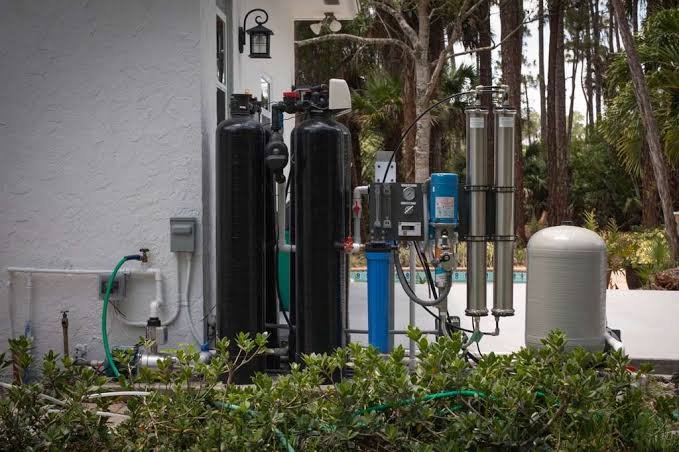
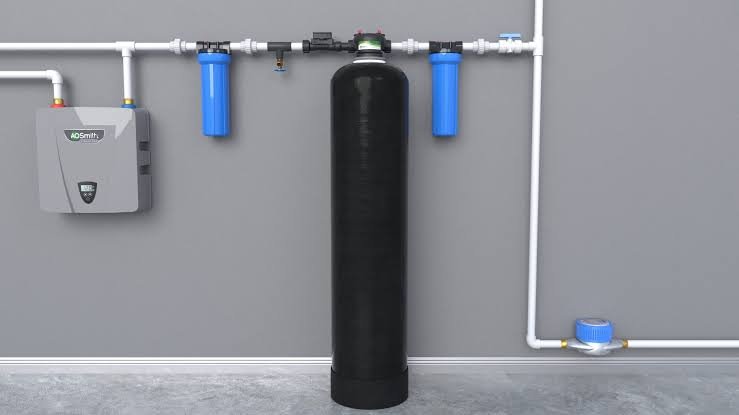
Professional water softening solutions are usually recommended based on the home’s actual water conditions, household size, plumbing setup, and usage habits. A good provider should explain everything clearly, without pressure or confusing jargon. The right system should fit the home, not just sound impressive in a brochure.
Testing Comes Before Guessing
A water test removes uncertainty. It helps identify the hardness level and any other concerns that may need attention. Without testing, homeowners may buy a filter or softener that does not fully match the problem.
Related readingClean Water at Home Starts with Asking the Right Questions
This step is especially useful because symptoms can overlap. Cloudy dishes may come from hard water, but taste issues may come from chlorine. Staining may come from minerals or iron. A test helps separate the causes, making the final decision much more sensible.
Maintenance Keeps Results Consistent
Like any helpful home system, a softener needs basic care. Salt levels may need checking. Settings should be reviewed. The system may need service from time to time. It is not difficult, but it should not be ignored.
When maintenance is skipped, performance can fade slowly. The dishes may start spotting again. Laundry may feel stiff. Scale can return around fixtures. A simple maintenance routine keeps the system working properly and helps protect the investment.
Related readingA Smarter Look at Whole-House Water Filtration and Advanced RO Technology
A Quiet Upgrade That Pays Off Daily
Better water is not always dramatic. It is not like repainting a room or installing new flooring, where everyone notices right away. It is more subtle than that. But after a few weeks, the difference becomes clear.
The shower feels nicer. Laundry feels softer. Cleaning becomes easier. Appliances seem less bothered by scale. Glasses look better. The home simply feels more comfortable and easier to manage.
In the end, softer water is about making daily life smoother. It helps reduce little frustrations that most people have lived with for too long. And sometimes, that is the best kind of home improvement — not loud or flashy, just useful every single day.