Living With Hard Water: Small Household Frustrations That Add Up Over Time
Home Services / PublicLedgerX visual file
Water Is Easy to Ignore Until It Starts Causing Trouble
Most of us have a pretty simple relationship with water. We turn on the faucet, expect it to work, and move on with our day. It’s one of those household essentials that quietly does its job in the background.
But every now and then, little things start happening around the house. Your shower door looks cloudy no matter how much you scrub it. The dishwasher leaves marks on glasses. Towels feel rougher than they used to. Maybe your coffee maker seems to wear out faster than expected.
Individually, these things don’t seem connected. Yet in many homes, they can all point to the same underlying issue: hard water.
It’s not exactly a crisis. Nobody calls an emergency plumber because their dishes look a little dull. Still, over time, the effects can become difficult to ignore.
What Makes Water Hard?
Hard water occurs when groundwater picks up minerals as it moves through rock and soil before reaching homes. The most common minerals involved are calcium and magnesium.
These minerals are naturally occurring, and their presence doesn’t necessarily mean water is unsafe. In fact, millions of households rely on hard water every day.
The challenge lies in how these minerals interact with household systems, cleaning products, and everyday routines.
Unlike some water quality issues that announce themselves immediately, hard water tends to leave a trail of clues that slowly become more noticeable over months and years.
The Hidden Nature of Hard Water Problems
One reason homeowners often overlook hard water problems is that the symptoms rarely appear overnight.
The changes are gradual. A little residue on a faucet. A slight reduction in water pressure. A dishwasher that doesn’t seem quite as effective as it once was.
Because these issues develop slowly, people often assume they’re simply part of normal homeownership. They adapt rather than investigate.
What’s interesting is how quickly these inconveniences can become accepted as “normal” even when they don’t have to be.
Many homeowners don’t realize how much hard water affects daily life until they experience an alternative.
Why Cleaning Feels Like More Work
Anyone who’s spent time cleaning a bathroom knows the frustration of seeing mineral spots return almost immediately after scrubbing.
Hard water leaves behind dissolved minerals when water evaporates. Those minerals can cling to glass, tile, sinks, and fixtures, creating a dull or cloudy appearance.
The result is more cleaning effort with less satisfying results.
People often purchase stronger cleaners or spend extra time scrubbing without realizing that the water itself is contributing to the problem.
It’s a bit like trying to sweep a floor while someone keeps sprinkling dust behind you. No matter how hard you work, the issue keeps coming back.
Your Dishwasher Might Be Fighting a Losing Battle
Dishwashers are designed to make life easier, but hard water can make their job surprisingly difficult.
Minerals interfere with the cleaning process and often leave residue behind on dishes and glassware. Even when the dishwasher is functioning perfectly, the results may still fall short of expectations.
Many homeowners are pleasantly surprised when water treatment leads to cleaner dishes with less spotting and cloudiness.
It’s one of those improvements that’s easy to appreciate because it’s visible every single day.
Opening the dishwasher and seeing sparkling glasses instead of streaked ones may seem minor, but small conveniences have a way of improving daily routines.
Hard Water and Household Appliances
The effects of hard water extend far beyond the kitchen sink.
Water heaters, coffee makers, washing machines, and other appliances encounter mineral-rich water constantly. Over time, minerals settle inside these systems and begin forming deposits.
These deposits can reduce efficiency and force appliances to work harder than necessary.
A water heater, for example, may require more energy to heat water when mineral layers accumulate inside the tank. That extra effort can eventually show up in utility bills.
The process is gradual, which makes it easy to miss until maintenance costs begin creeping upward.
What Happens to Your Laundry?
Laundry is another area where hard water quietly makes its presence known.
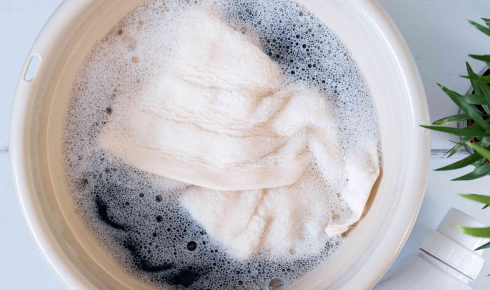
Minerals can reduce the effectiveness of detergents, preventing fabrics from feeling as fresh and clean as they otherwise might. Clothes may appear slightly dull, and towels sometimes lose their soft texture over time.
Many homeowners who address hard water notice softer laundry almost immediately.
It’s not necessarily a dramatic transformation, but it’s often enough to make everyday items feel more comfortable and pleasant to use.
Sometimes the difference becomes most obvious when folding freshly washed towels or slipping into bed with clean sheets.
Why Testing Is More Useful Than Guessing
The challenge with water-related issues is that symptoms can overlap.
Cloudy dishes, rough laundry, mineral stains, and appliance wear may all suggest hard water, but assumptions aren’t always accurate. That’s why testing remains one of the smartest first steps.
A professional water test provides clear information about mineral levels and overall water conditions.
Instead of relying on guesswork, homeowners gain a better understanding of what’s actually happening within their plumbing system.
And honestly, knowing the cause of a problem is often half the battle.
Finding the Right Solution
If hard water is confirmed, several treatment options may be available depending on the severity of the issue.
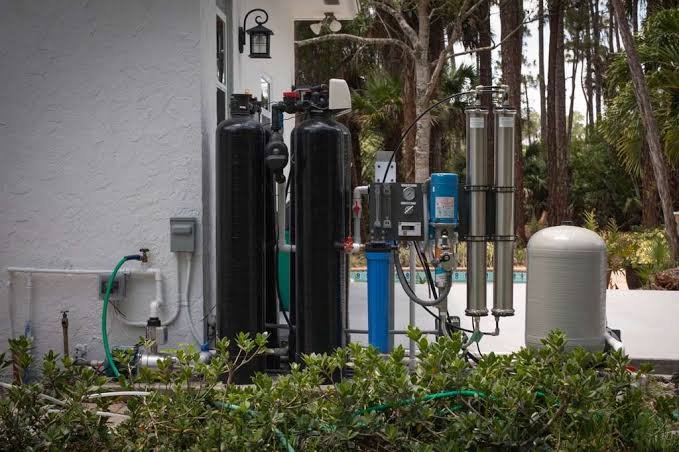
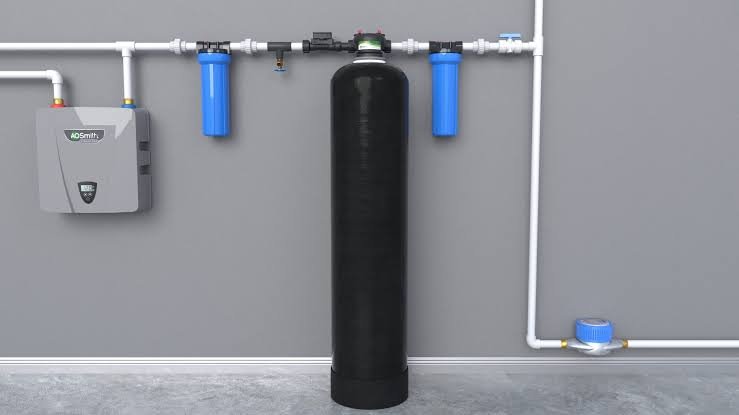
Water softeners are among the most common solutions because they specifically target the minerals responsible for hardness. Other systems may be appropriate in certain situations as well.
The key is choosing a solution based on actual water conditions rather than generic recommendations.
Every household is different. The water in one neighborhood may behave very differently from the water just a few miles away.
That’s why personalized solutions tend to produce the best results.
Small Improvements Can Have a Big Impact
One of the interesting things about water quality improvements is that they often affect dozens of small experiences throughout the day.
You spend less time cleaning. Appliances perform more efficiently. Laundry feels better. Dishes look brighter. Even showering can become a more pleasant experience.
None of these changes may seem life-changing on their own, yet together they contribute to a smoother and more comfortable home environment.
Sometimes it’s the little things that make the biggest difference.
Final Thoughts
Hard water is one of those household issues that rarely demands immediate attention, which is exactly why it often goes untreated for so long.
Yet its effects can touch nearly every corner of a home—from the kitchen and laundry room to plumbing systems and appliances. Understanding those effects allows homeowners to make informed decisions rather than simply accepting ongoing frustrations as part of daily life.
At the end of the day, water should help a home function effortlessly. When it does, you hardly notice it. And that’s probably the best sign that everything is working exactly as it should.
Filed By / Contributor
Admin
Contributor to the PublicLedgerX editorial archive.