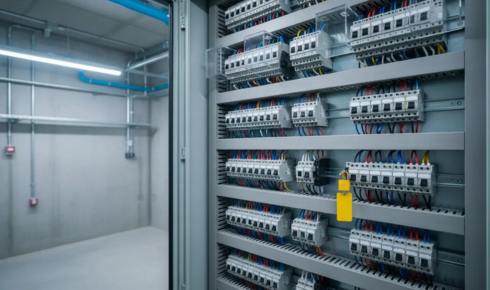
There is a certain moment in every electrical project when people realise the work is about more than wires, panels, lights, and switches. It might happen during a building renovation, when an old circuit does not match the drawings. It might happen on a new commercial site, when the owner wants extra capacity for future equipment. Or it might happen at home, when a simple upgrade suddenly reveals that the existing system is older than expected.
Electrical work has a way of hiding its complexity. From the outside, it can look straightforward. Install this. Replace that. Add more power over there. But behind a clean finish is a chain of decisions that need to be made carefully. If those decisions are rushed, the project can become more expensive, more stressful, and sometimes less safe than it should be.
That is why the best electrical work usually begins before anyone picks up a tool.
The Paperwork Is Not Just Paperwork
A lot of property owners get frustrated by approvals and inspections. Fair enough. Nobody starts a project because they are excited to deal with forms, drawings, codes, and waiting periods. But skipping or misunderstanding those steps can create bigger problems later.
Related readingWhy the Right Windows Are Worth Thinking About Before You Build or Renovate
Proper electrical permitting helps make sure the work is reviewed, documented, and carried out according to the rules that apply to the property. It protects the owner, the contractor, and the people who will use the building after the work is finished.
This matters whether the job is large or small. A commercial fit-out, panel upgrade, new construction project, generator installation, lighting redesign, or major residential improvement may all involve requirements that need to be checked before work moves forward. Getting it right early saves time, avoids delays, and reduces the risk of having to redo completed work.
Every Building Has Its Own Story
No two buildings are exactly the same. Even properties that look similar from the outside can have completely different electrical histories. One may have been upgraded properly over the years. Another may have layers of old repairs, outdated panels, overloaded circuits, or DIY fixes tucked away behind walls and ceilings.
This is why a careful inspection is so useful. It gives the electrician a real understanding of what they are working with. Existing load, wiring condition, access points, grounding, panel capacity, and future demand all need to be considered.
Related readingCleaner Water Starts With Understanding How Filtration Works
Sometimes the findings are simple. Other times, they change the direction of the job. That can be frustrating, but it is still better than guessing. Guessing in electrical work is rarely a smart strategy.
Safety Is the Heart of the Job
Electrical systems are powerful, and when they are not handled properly, they can create serious risks. Faulty wiring, incorrect connections, poor grounding, overloaded circuits, damaged equipment, and weak installation practices can all lead to hazards that may not show up immediately.
Good safety standards are there for a reason. They help protect families, employees, customers, tenants, contractors, and property. They also give owners confidence that the work has been done properly rather than patched together in a hurry.
This does not mean every project has to feel complicated. In fact, good professionals often make the process feel simpler. They know what needs to be checked, what needs to be documented, and where shortcuts must be avoided. That calm, methodical approach is worth a lot.
Related readingBetter Water Starts With Choosing the Right Treatment Approach
Planning Makes the Work Smoother
Electrical projects can involve more coordination than people expect. A lighting upgrade may affect ceiling work. A panel replacement may require power shutdowns. A commercial installation may need to work around business hours. A new build may require coordination with plumbers, HVAC teams, framers, inspectors, and designers.
Strong project planning keeps all those moving parts from colliding. It helps set realistic timelines, identify materials early, schedule inspections, reduce downtime, and make sure each phase supports the next.
For businesses especially, this can make a real difference. Nobody wants work stopping during busy hours because something was not ordered, approved, or checked. A good plan does not remove every surprise, but it makes surprises easier to manage.
Thinking Beyond Today’s Needs
One common mistake is designing an electrical system only for what is needed right now. That may feel cheaper at first, but it can limit the property later.
Related readingWhat Really Matters When Choosing a Quality Water Treatment System
A growing business may need more workstations, equipment, signage, charging points, security systems, or data infrastructure. A homeowner may want an EV charger, outdoor lighting, a home office, or smart home features in the future. A warehouse may eventually need extra machinery or improved loading area power.
Thinking ahead does not mean overspending. It simply means asking sensible questions while the work is already open and accessible. Adding capacity during the right phase can be much easier than tearing into finished walls later.
Communication Keeps People Comfortable
Most owners do not need to understand every technical detail, but they do deserve clear communication. What is being done? Why is it needed? How long will it take? Will the power be off? Are there extra costs? Is there a safer or more practical option?
Related readingWhy Better Water Starts with Knowing What’s in It
Good electricians explain these things without making the customer feel lost. They do not hide behind jargon. They also do not make promises they cannot keep. Honest communication builds trust, especially when unexpected issues appear.
And they do appear. Old buildings have surprises. Supply delays happen. Inspections may raise questions. Plans sometimes need adjusting. When communication is steady, these moments feel manageable rather than chaotic.
Quality Shows Up After the Job Is Finished
The real value of electrical work is not always visible on the day the project ends. It shows up later, when the lights work properly, the circuits do not trip, equipment runs safely, inspections pass smoothly, and the property feels ready for daily use.
That kind of result comes from preparation. It comes from respecting the rules, checking the existing system, choosing the right materials, and taking safety seriously.
Electrical work may sit behind walls, above ceilings, and inside panels, but its impact is everywhere. It keeps homes comfortable, businesses productive, and buildings safer for the people inside them.
So, whether the project is a small upgrade or a full installation, the same idea holds true: handle the details early, work with qualified professionals, and build the system properly from the start. It may not be the fastest-looking route, but it is usually the one that lasts.