Most people don’t wake up thinking about infrastructure. You turn on the lights, drive to work, cross intersections, use running water, maybe sit in traffic for a while and complain about it a little — and then move on with your day. The systems underneath all of that feel invisible because, most of the time, they work quietly in the background.
That invisibility is actually a sign things are functioning the way they should.
But the moment something fails — a power outage, a bridge closure, a dangerous roadway, a utility interruption — people suddenly realize how much daily life depends on careful planning most of us rarely notice.
And honestly, modern cities are held together by far more engineering than people imagine.
Why Safety Is Designed Long Before Problems Happen
When people hear the word “safety,” they often think about warning signs, helmets, or emergency procedures. But real safety usually begins much earlier than that. It starts during planning, design, testing, and risk analysis long before the public ever interacts with a system or structure.
That’s where safety engineering becomes incredibly important.
Safety engineers study how systems fail, why accidents happen, and what can be done to reduce risks before people get hurt. Their work influences factories, transportation systems, public infrastructure, industrial facilities, electrical networks, and even consumer products people use every day without thinking twice about them.
The interesting thing about safety work is that success often goes unnoticed.
When engineers do their jobs properly, accidents don’t happen. Equipment operates reliably. Emergency systems respond correctly. People move through spaces without realizing how many potential hazards were identified and reduced during development.
And there are always hazards.
Machines wear down. Human error happens. Weather conditions change. Systems become overloaded. Safety engineering is really about anticipating problems before they become disasters, which requires a strange combination of technical skill and practical realism.
Experienced engineers understand that people don’t behave perfectly all the time, so systems must account for real-world behavior rather than ideal conditions.
The Systems Hidden Beneath Every Community
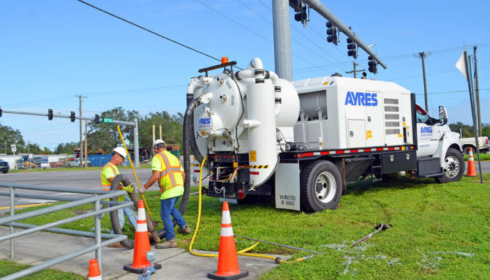
One of the most overlooked parts of modern infrastructure is the network of services quietly supporting communities every hour of the day. Water lines, electrical grids, sewage systems, telecommunications, gas pipelines — these systems operate so consistently people often forget how complex they actually are.
Until something stops working.
That’s where utility engineering plays a critical role in everyday life.
Utility engineers help design, maintain, and improve the systems communities depend on constantly. Their work affects everything from reliable electricity during heatwaves to water pressure in growing neighborhoods and communication systems businesses rely on daily.
And these systems face enormous pressure as cities expand.
Older infrastructure built decades ago often struggles to support modern demand. Population growth, climate conditions, aging materials, and evolving energy needs all create challenges engineers must solve carefully over time.
What makes utility work especially difficult is that upgrades rarely happen in isolation.
A roadway project may affect underground water lines. Expanding electrical infrastructure may require coordination with telecommunications systems or environmental regulations. Every system connects to something else eventually.
And when one failure occurs, it can ripple outward surprisingly fast.
The Roads and Transit Systems People Depend On
Transportation shapes daily life more than most people realize. It affects where people live, how long they spend commuting, how businesses move goods, and even how emergency services respond during critical situations.
Yet many people only notice transportation systems when traffic becomes unbearable or construction slows everything down.
That’s where transportation engineering quietly influences entire communities.
Transportation engineers study traffic flow, roadway safety, public transit systems, pedestrian access, signal timing, intersection design, and long-term infrastructure planning. Their goal isn’t simply moving vehicles faster. It’s creating systems that function safely, efficiently, and realistically for the people using them every day.
And human behavior complicates everything.
Drivers become distracted. Weather changes visibility. Population growth increases congestion in areas originally designed for smaller communities. A road layout that worked twenty years ago may no longer handle modern traffic patterns effectively.
Good transportation planning requires thinking years ahead.
What’s fascinating is how much psychology influences roadway design too. Engineers study how people respond to signage, lane widths, curves, visibility distances, and traffic patterns because small design choices can significantly affect accident rates and driver behavior.
That’s a level of detail most commuters never notice while sitting at red lights.
Why Infrastructure Feels Personal During Failures
People rarely think emotionally about infrastructure until systems stop functioning correctly. A power outage during extreme heat suddenly feels deeply personal. Unsafe intersections create anxiety for families driving through them daily. Water service disruptions affect routines people normally take for granted.
Infrastructure failures interrupt ordinary life quickly.
And honestly, that’s why engineering matters so much beyond technical calculations. Engineers aren’t simply designing systems. They’re shaping how people experience daily life inside communities.
Reliable systems create stability people can trust.
When roads function safely, commutes feel manageable. When utility systems operate reliably, businesses and households continue normally without fear of interruptions. When safety planning works properly, accidents become less frequent even if nobody consciously notices why.
That invisible reliability has enormous value.
The Human Side of Engineering Work
One thing people sometimes misunderstand about engineering is how collaborative it really is. Engineers constantly coordinate with architects, city planners, contractors, environmental experts, emergency services, and government agencies while balancing budgets, regulations, deadlines, and public expectations all at once.
It’s rarely just math on a computer screen.
The strongest engineers usually combine technical knowledge with patience, communication skills, and practical judgment. Because eventually, every technical decision affects real people living, driving, working, or raising families inside the systems being designed.
And maybe that’s the most important part of infrastructure altogether.
Good engineering creates environments where life feels stable enough that people don’t have to think constantly about roads collapsing, utilities failing, or safety systems malfunctioning. The systems simply work quietly in the background while communities continue moving forward.
Until something reminds everyone how much effort it actually takes to keep modern life functioning smoothly every single day.
