Water is one of those background essentials that most businesses only notice when something goes wrong. It flows through boilers, cooling systems, production equipment, kitchens, wash stations, heating units, laundry rooms, laboratories, and cleaning processes. On a normal day, it just does its job. Quietly. Reliably. Almost invisibly.
But when water quality slips, the results can be anything but invisible. Scale builds up. Pipes clog. Equipment loses performance. Filters need changing too often. Energy costs creep higher. In some industries, poor water conditions can even affect product quality, hygiene standards, and regulatory responsibilities.
That is why proper water management is not just a technical detail tucked away in a plant room or maintenance checklist. It is part of how a business protects its operation, controls costs, and keeps daily work moving without unnecessary disruption.
Related readingA Smarter Look at Whole-House Water Filtration and Advanced RO Technology
Water Quality Affects More Than the Tap
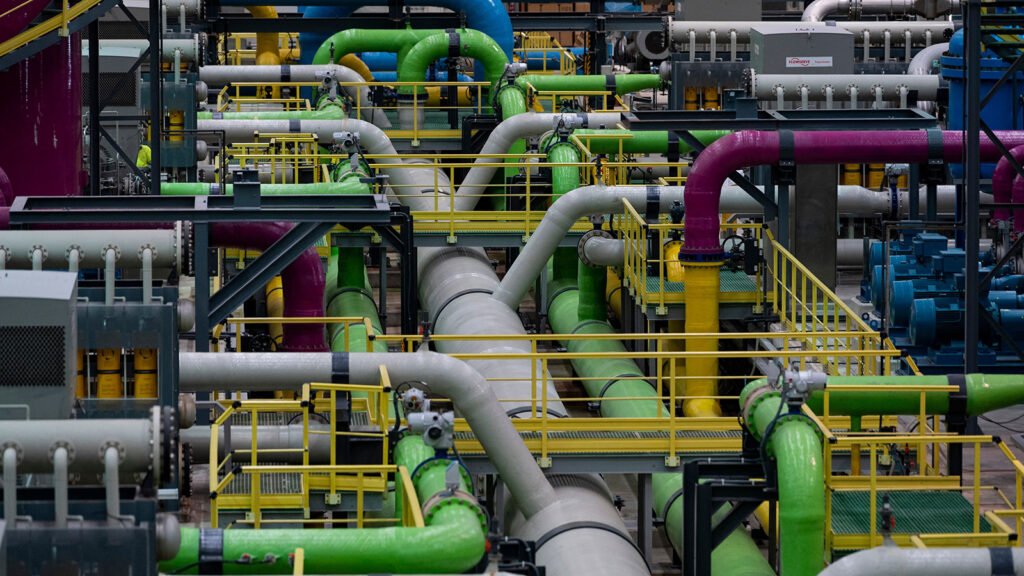
Commercial and industrial water use is very different from ordinary household use. A home may rely on water for drinking, bathing, and cleaning. A business may depend on water for production, heating, cooling, sanitation, food preparation, manufacturing, or specialist processes.
This means even small water issues can have a larger impact. Hard water can leave mineral deposits inside equipment. Sediment can block lines or damage components. Chlorine, iron, dissolved solids, or other elements may interfere with processes that require consistent water quality.
In many businesses, water is not just a utility. It is part of the workflow. When it causes problems, the effects spread quickly.
Related readingWhy Knowing What’s in Your Water Can Make Every Day a Little Better
The Hidden Cost of Poor Water Conditions
One of the most frustrating things about water-related damage is that it often happens slowly. At first, everything seems fine. A machine takes a little longer to heat. A valve sticks occasionally. A boiler needs more frequent attention. A dishwasher does not clean as well as it used to. None of it feels urgent, until suddenly repairs become expensive.
Scale is a good example. Mineral buildup inside pipes, heaters, and equipment can reduce flow, limit heat transfer, and force systems to work harder. That extra strain may not be obvious day to day, but it can increase energy use and shorten equipment life.
A well-designed water treatment plan helps businesses protect equipment by reducing the conditions that lead to buildup, corrosion, blockages, and premature wear.
Efficiency Starts with the Right Water
When water systems are clean and properly treated, equipment can perform closer to the way it was designed to. Heat transfers better. Pumps face less strain. Filters last longer. Cleaning processes become more consistent. The whole operation feels less like it is fighting against itself.
Related readingBetter Water Starts With Choosing the Right Treatment Approach
This matters because efficiency is not always about buying new machinery or making major upgrades. Sometimes, it starts with improving the water that moves through existing systems every day.
For restaurants, that could mean better performance from dishwashers, ice machines, and coffee equipment. For hotels, it may support laundry, heating, and guest facilities. For manufacturing, it can help stabilise processes and reduce downtime. For offices and commercial buildings, it may improve drinking water, plumbing performance, and maintenance planning.
Businesses that treat water properly often find they can enhance efficiency without overcomplicating their operation or replacing equipment before its time.
Compliance Cannot Be an Afterthought
Some industries have strict standards for water use, hygiene, discharge, production quality, or safety. Food service, healthcare, manufacturing, hospitality, laboratories, and facilities management all face different expectations. Even when regulations are not the main concern, customers and staff still expect water systems to be safe, clean, and dependable.
Related readingCleaner Water Starts With Understanding How Filtration Works
Ignoring water quality can create unnecessary risk. Poor treatment, irregular maintenance, or lack of documentation may lead to failed inspections, operational delays, or avoidable complaints. And, honestly, that is the kind of problem most businesses would rather prevent than explain later.
A structured approach to water treatment can help companies ensure compliance by supporting consistent standards, proper monitoring, and a clearer maintenance record.
Testing Before Treating
Good water management should begin with testing. Without accurate testing, businesses are left guessing. And guessing often leads to the wrong system, wasted money, or partial fixes that do not solve the real issue.
Water testing can identify hardness, pH levels, dissolved solids, minerals, metals, chlorine, sediment, bacteria concerns, or other site-specific factors. Once the results are clear, the treatment plan can be matched to the actual water conditions and business needs.
Related readingWhat Really Matters When Choosing a Quality Water Treatment System
This is where expert advice makes a real difference. A small café does not need the same system as a hotel, factory, care facility, or commercial laundry. Water usage, flow rate, equipment type, operating hours, and maintenance access all matter.
Choosing a Practical Treatment System
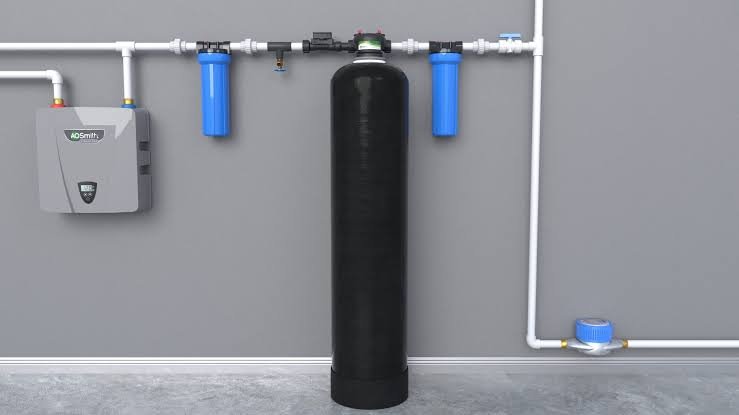
There are many types of water treatment systems, including softeners, filtration units, reverse osmosis systems, UV treatment, dosing systems, and specialist commercial setups. The right choice depends on the problem being solved.
A good provider will not simply recommend the biggest or most expensive option. They will look at the site, test the water, understand the operation, and recommend something practical. The best system is one that works reliably, fits the business, and can be maintained without constant hassle.
Installation matters too. Poorly fitted equipment can create pressure issues, access problems, or inconsistent performance. Professional installation ensures the system is correctly sized, safely connected, and ready for long-term use.
Maintenance Keeps Everything Working
Water treatment is not a set-it-and-forget-it solution. Filters need replacing. Softening systems need monitoring. Specialist units may need servicing, calibration, or performance checks. When maintenance is skipped, old problems can return quietly.
Regular servicing helps keep results consistent and gives businesses a chance to spot early warning signs before they become expensive failures. It also makes budgeting easier because planned maintenance is usually far less painful than emergency repairs.
Better Water, Better Business Confidence
In the end, commercial water treatment is about confidence. Confidence that equipment is being looked after. Confidence that systems are running efficiently. Confidence that standards are being met. Confidence that water will support the business instead of quietly working against it.
Water may not be the most glamorous part of running a business, but it is one of the most important. When managed properly, it reduces stress, protects investment, and keeps everyday operations running with fewer surprises.
And in business, fewer surprises are usually a very good thing.