
Cars have always said something about the people driving them. Maybe not intentionally, but they do.
A dusty pickup truck with tools in the back tells a different story than a spotless matte-black coupe parked outside a coffee shop at sunset. Even color choices feel strangely personal sometimes. People connect emotion to vehicles far more than they admit out loud.
That’s probably one reason wrapping culture exploded over the last few years. It gives people the ability to completely transform how a vehicle feels without making permanent changes. And honestly, for a lot of drivers, that flexibility is part of the appeal.
You can change the mood of a car almost overnight.
Wrapping Became More Than Just Customization
Years ago, wraps mostly belonged to race cars, advertising vans, or heavily modified show vehicles. Now they’re everywhere.
Daily commuters. Teslas. Family SUVs. Work trucks. Food vans. Luxury cars. Small business fleets.
The shift happened because wrapping stopped feeling overly niche and started feeling practical.
A good vinyl wrap doesn’t just change appearance. It also protects the original paint underneath from sunlight, road debris, scratches, and weather exposure. For leased cars or higher-value vehicles, that protection can actually preserve resale value later on.
But honestly, the emotional side matters too.
People like driving vehicles that feel personal to them. A wrap creates individuality without the commitment of permanent paint. That balance between creativity and flexibility is hard to resist once you understand it.
Color and Texture Changed Everything
One of the biggest changes in modern wrapping isn’t even about color anymore. It’s about texture.
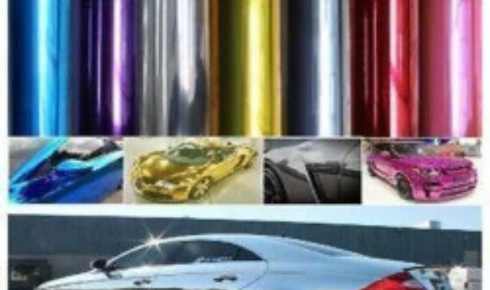
Matte finishes became wildly popular because they completely alter how light interacts with a vehicle. Satin wraps created softer reflections that feel more refined than traditional gloss paint. Then came brushed metallic textures, carbon fiber effects, iridescent finishes, and color-shifting surfaces that look different depending on lighting conditions.
Suddenly, wrapping wasn’t simply about “changing colors.” It became about creating visual personality.
And people got hooked on that idea pretty quickly.
There’s also something surprisingly emotional about choosing finishes. Drivers spend weeks comparing samples sometimes because different tones create completely different moods. A deep satin green feels elegant. Matte gray feels stealthy. Bright gloss colors feel energetic and loud.
Cars become emotional objects in strange ways.
The Material Matters More Than Most People Realize
A lot of people assume all wraps are basically the same. They aren’t.
Quality wrap films behave very differently depending on material type, thickness, adhesive technology, and finish. Some stretch beautifully around curves and complex surfaces. Others resist wrinkles better or hold color longer under sunlight.
Installation quality matters enormously too.
A poorly installed wrap becomes obvious almost immediately — bubbles, lifting edges, uneven seams around mirrors or door handles. Once you notice flaws like that, they’re impossible to ignore.
Good installers, on the other hand, make wraps feel almost factory-made. The material hugs every contour cleanly. Edges disappear naturally. Complex surfaces look seamless.
Honestly, it’s closer to craftsmanship than most people expect.
Social Media Accelerated Car Culture
Wrapping culture probably wouldn’t have grown this quickly without social media.
Platforms like Instagram, TikTok, and YouTube turned cars into visual content constantly shared online. A unique finish photographs beautifully under city lights or golden-hour sunsets. Even ordinary vehicles suddenly become visually interesting with the right wrap.
And because wraps are temporary, people experiment more boldly now.
Someone who would never permanently paint their car satin lavender might absolutely try it as a removable wrap for two years. That temporary freedom encourages creativity in ways traditional paint jobs often don’t.
Businesses noticed this too.
Modern vehicle wraps now serve both real-world visibility and online branding simultaneously. A visually striking service van or food truck doesn’t just attract attention locally — it also becomes shareable content online.
That dual purpose changed commercial design entirely.
Simplicity Usually Ages Better
One interesting trend lately is how much cleaner modern wrap design became.
Years ago, aggressive graphics and loud patterns dominated car culture. Huge flames, chaotic gradients, oversized logos — everything tried to demand attention constantly.
Now? Simplicity tends to feel more premium.
Minimal satin finishes, monochrome designs, soft metallic tones, subtle textures… many modern wraps feel intentionally restrained. Instead of screaming for attention, they create curiosity quietly.
And honestly, those subtle designs often turn more heads because people can’t immediately figure out why the car feels different.
That mystery creates intrigue.
Wrapping Feels Human in a Digital World
Maybe that’s part of why people connect with wrapped vehicles so strongly now.
In a world dominated by screens and digital experiences, physical customization still feels tangible. Real. Personal. You see the vehicle in sunlight. You notice textures up close. You experience it moving through actual environments instead of existing only online.
Cars become expressions of identity again.
Not because someone’s trying to impress strangers necessarily, but because people enjoy surrounding themselves with objects that feel connected to their personality. A wrapped vehicle changes how ownership feels emotionally.
And honestly, driving something that feels visually exciting can genuinely improve ordinary routines more than people expect.
It’s About More Than Appearance
At the end of the day, wrapping isn’t really just about aesthetics.
It’s about flexibility. Protection. Creativity. Self-expression. Sometimes even confidence.
For businesses, wraps create visibility and recognition. For enthusiasts, they create individuality. For everyday drivers, they simply make vehicles feel fresh again without permanent commitment.
That’s why wrapping keeps growing beyond niche car culture into something much more mainstream.
Because people don’t only want transportation anymore.
They want something that feels like theirs.