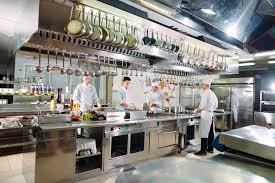
Somewhere between late-night cravings and 10-minute delivery promises, a quiet revolution has taken over India’s food scene. You don’t always see it—no flashy storefronts, no dine-in tables—but it’s there, cooking, packing, dispatching. Cloud kitchens.
At first glance, the idea sounds simple: cook food, list it on delivery apps, and let the orders roll in. No rent-heavy locations, no waitstaff, no interior design headaches. Easy, right?
Well… not quite.
The Low-Cost Dream (and Its Reality)
The biggest attraction of cloud kitchens is the lower upfront investment. Compared to a traditional restaurant, you can start with a smaller space, fewer employees, and minimal setup.
Related readingBehind the Kitchen Door: How Food Businesses Are Quietly Changing
But here’s the catch—while entry is easier, survival isn’t.
Competition is intense. Scroll through any food delivery app and you’ll see hundreds of options. New brands pop up almost every week, often offering similar menus at similar prices. Standing out becomes the real challenge.
Location Still Matters—Just Differently
You’d think that since there’s no dine-in, location wouldn’t matter much. But it does—just in a different way.
Instead of foot traffic, you’re optimizing for delivery efficiency. Being close to high-demand areas can reduce delivery time, improve customer satisfaction, and even boost app rankings.
Related readingBack to Basics: Why Millets Are Finding Their Way Back to Indian Plates
A poorly chosen location might save on rent but cost you in delayed orders and bad reviews. And in this business, reviews matter more than you’d expect.
Menu Is Strategy, Not Just Food
One common mistake new cloud kitchen owners make is trying to do too much. A menu with 50 items might look impressive, but it often leads to inconsistency.
Successful cloud kitchens usually keep things focused. A niche works better—whether it’s biryani, healthy bowls, or late-night snacks. It helps with branding and makes operations smoother.
Also, packaging becomes part of the product. Since customers don’t see your kitchen, the box they receive is their first impression.
Marketing Is Half the Game
You could be serving incredible food, but if no one knows about it, it doesn’t matter.
Delivery apps do bring visibility, but they’re crowded spaces. Paid promotions, discounts, and strategic listings often become necessary—at least in the beginning.
Social media can help too, but it requires consistency. A few well-shot photos, some behind-the-scenes content, maybe even customer reviews—it all adds up over time.
This is where many people start asking: Cloud kitchens India me kaise profitable ban sakte hain? Because despite the buzz, profitability isn’t automatic.
Margins Can Be Tight
Let’s talk numbers for a moment.
Food delivery platforms usually take a commission—sometimes quite significant. Add to that the cost of ingredients, packaging, staff salaries, and marketing expenses, and suddenly your margins start shrinking.
Profitability often comes down to volume and efficiency. You need enough orders to cover costs, but you also need to control wastage, optimize inventory, and streamline operations.
It’s not glamorous work, but it’s what keeps the business running.
Technology Is Your Silent Partner
One advantage cloud kitchens have is the ability to lean heavily on technology.
Order management systems, inventory tracking, data analytics—these tools can help you understand what’s working and what’s not. Which dishes sell best? What time do orders peak? Where are delays happening?
Small insights can lead to big improvements.
For example, if you notice that a particular dish rarely gets ordered, removing it can simplify your kitchen and reduce waste. It’s a constant process of tweaking and adjusting.
Customer Experience Without a Dining Room
In a traditional restaurant, ambiance, service, and presentation all play a role. In a cloud kitchen, you lose that physical connection.
So how do you create a memorable experience?
Consistency is key. Orders should arrive on time, taste the same every time, and be packaged neatly. Even small touches—like a handwritten note or thoughtful packaging—can make a difference.
Because in the absence of a physical space, your brand lives in the customer’s memory.
Scaling Isn’t Always Linear
Once a cloud kitchen starts doing well, the next instinct is to expand—more locations, more brands, more menus.
But scaling too quickly can backfire.
Operations get complicated, quality might drop, and costs can spiral. Growth needs to be measured, not rushed. Sometimes, refining one successful kitchen is better than opening three average ones.
A Business That Rewards Patience
There’s a certain myth around cloud kitchens being a “quick win” business. Low investment, high returns—it sounds tempting.
But like most things in business, reality is slower.
It takes time to build a loyal customer base. Time to understand your market. Time to figure out what works for you specifically.
And along the way, there will be trial and error. Dishes that don’t sell. Marketing campaigns that fall flat. Days when orders are lower than expected.
That’s part of the process.
The Bigger Picture
Cloud kitchens aren’t just a trend—they’re a reflection of how consumer behavior is changing. Convenience, speed, and accessibility matter more than ever.
For entrepreneurs, this space offers opportunity—but not shortcuts.
If you approach it with a clear strategy, a focused menu, and a willingness to adapt, profitability is possible. Not guaranteed, but definitely possible.
And maybe that’s what makes it interesting.
Because behind every order that arrives at someone’s doorstep, there’s a whole system working quietly—trying to get a little better, one meal at a time.