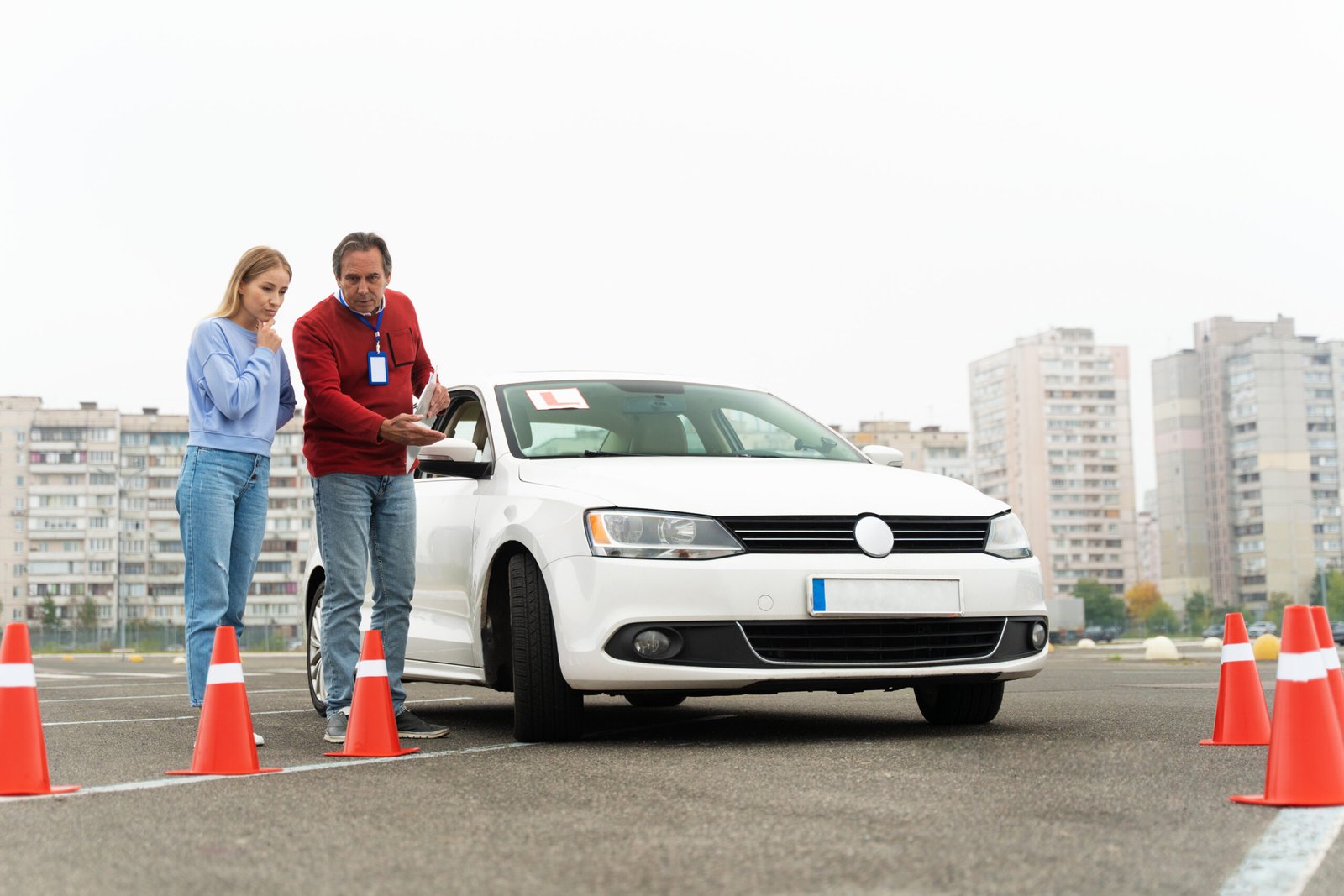
Learning to drive is one of those experiences that can feel exciting and intimidating at the same time. The thought of having your own independence is appealing, whether that means getting to work without relying on a ride, visiting family more easily, or taking a spontaneous weekend trip. But before those things become routine, there’s a learning process to work through, and choosing the right driving lessons can make a real difference.
For many beginners, the decision comes down to more than finding an instructor with an available slot. Cost, teaching style, lesson quality, and the opportunity to practice in real traffic all matter. A good driving course should help learners become safe and capable drivers, not simply prepare them to pass an examination. That kind of value is worth considering carefully.
Looking Beyond the Cost of Driving Lessons
Budget is a practical concern for most people. Driving lessons can represent a significant expense, especially for students, young adults starting their first job, or families managing several household costs. It’s understandable to compare prices before committing to a course.
Related readingObedience Lessons for Dogs Build Better Behavior
However, the lowest advertised price doesn’t always represent the best value. A lesson that offers very little practical driving time may leave a learner needing additional sessions. Another provider might charge slightly more but offer clear instruction, useful feedback, and a sensible plan for progress.
When comparing options, look for reasonable lesson pricing alongside transparent terms. Ask what each lesson includes, how long it lasts, whether the instructor provides a vehicle for the practical test, and whether there are additional charges for assessments or cancellations. These details make it easier to compare providers fairly.
It can also help to ask about lesson packages. Some schools offer discounted rates when learners book several sessions together, although the savings should never be the only reason to choose a provider. Make sure the schedule suits your needs and understand the refund or rescheduling policy before paying in advance.
Why the Learning Atmosphere Matters
A learner’s confidence can change dramatically depending on the way an instructor communicates. Imagine making the same parking mistake repeatedly while someone sighs, raises their voice, or makes you feel foolish. Most people would become more anxious, and that anxiety could make it harder to concentrate.
Related readingTaking a Pause: What a Gap Year Really Means for Indian Students
Now imagine an instructor who explains the mistake calmly, demonstrates the correct technique, and gives you another opportunity to try. The task hasn’t suddenly become easy, but it feels manageable. That difference can shape the entire learning experience.
A supportive learning environment allows students to ask questions, admit when they’re confused, and learn from mistakes without feeling embarrassed. It doesn’t mean that instructors should ignore unsafe behavior or avoid giving corrections. Rather, feedback should be clear, respectful, and focused on helping the learner improve.
This is especially important for people who feel nervous around traffic or have had a difficult experience behind the wheel in the past. They may need extra time to become comfortable with unfamiliar situations. Patience, encouragement, and consistent guidance can help them build confidence without encouraging careless driving.
Learning Through Real Driving Experience
Reading traffic rules and watching instructional videos can provide a useful foundation, but driving is a hands-on skill. Learners need to understand how a vehicle responds, how much space it requires, and how quickly traffic conditions can change.
Related readingDegrees or Skills? Rethinking What Really Matters in India’s Changing Job Landscape
Practical behind-the-wheel training gives learners the opportunity to apply their knowledge while receiving appropriate supervision. They can practice steering, braking, lane positioning, turning, parking, and responding to road signs in real conditions. As their control improves, lessons can gradually introduce more complex situations.
For instance, a learner may understand that they should check mirrors before changing lanes but struggle to do so consistently when traffic becomes busy. Repeated practice helps make that observation part of a reliable routine. Similarly, learning to judge a safe gap at an intersection takes experience, not just memorization.
The best practice sessions have a clear purpose. One day might focus on parking and low-speed control, while another covers intersections or lane changes. Trying to master every skill in a single lesson can be overwhelming, so a gradual approach often produces better results.
Finding an Instructor Who Fits Your Needs
Not every instructor teaches in the same way. Some learners appreciate detailed explanations before attempting a maneuver, while others prefer a demonstration followed by practice. A good instructor can adapt their approach without compromising safety.
Related readingStudying Smarter, Not Harder: How AI Is Quietly Changing Student Productivity
Before booking, consider asking how lessons are planned, whether progress is reviewed regularly, and how the instructor handles common mistakes. You can also ask whether they have experience helping nervous beginners or people returning to driving after a long break.
Communication should feel straightforward. If an explanation doesn’t make sense, you should be able to say so. If you need more practice with a particular skill, the instructor should help you work toward it rather than making you feel that you are holding up the process.
Consistency can be valuable, too. Learning with the same instructor may help them understand your habits and track your progress over time. However, the most important factors are the quality of instruction, a suitable teaching approach, and a strong commitment to road safety.
Making Progress Between Lessons
Driving lessons are more effective when learners reinforce what they’ve practiced. Where local regulations permit, supervised practice with an authorized person can help build familiarity between professional sessions.
It’s useful to set small, realistic goals. Instead of trying to become confident at everything immediately, focus on one area that needs improvement. If you tend to brake too sharply, practice anticipating stops and slowing down smoothly. If lane changes make you nervous, review mirror checks, blind spots, signaling, and safe gap selection with your instructor.
Reflection can be surprisingly helpful. After each session, consider what felt easier, what caused hesitation, and what you want to revisit. A short note on your phone or in a notebook can help you notice progress that might otherwise be easy to overlook.
Don’t judge your ability by comparing yourself with other learners. Someone else may have more experience with bicycles, motorcycles, or traffic, while you may be starting from scratch. Progress should be measured by the improvement in your own awareness, control, and decision-making.
Preparing for the Driving Test Without Unnecessary Pressure
For many learners, passing the test is the main goal. It makes sense to want a license after investing time and money in lessons, but concentrating too heavily on the examination can distract from the purpose of learning.
A good preparation plan should cover the skills required by the relevant licensing authority. This may include observation, signaling, speed management, turning, parking, and responding appropriately to road conditions. Learners should also understand the test format and make sure they meet the local requirements for documents and vehicle readiness.
Practice under realistic conditions can reduce uncertainty. At the same time, the goal isn’t to memorize every possible route. Traffic changes, and a safe driver must be able to respond to unfamiliar situations using sound judgment.
If the test doesn’t go as planned, take time to understand the feedback before booking another attempt. A setback can be frustrating, but it also provides information about what needs more work. Focused practice is usually more productive than simply repeating the same preparation without making adjustments.
An Investment in Independence and Safety
Choosing driving lessons is an important decision, but it doesn’t need to be complicated. Compare prices, understand what’s included, look for respectful instruction, and make sure the course offers enough practical experience to support your goals.
The best option is rarely defined by cost alone. It’s the one that helps you learn safely, steadily, and with a clear understanding of your responsibilities on the road. A patient instructor, useful feedback, and regular practice can turn an intimidating experience into a skill you feel increasingly comfortable using.
Eventually, the small things that once demanded all your attention begin to feel more natural. You become better at anticipating traffic, recognizing hazards, and making decisions without rushing. That confidence doesn’t come from cutting corners. It comes from learning properly, one lesson and one journey at a time.