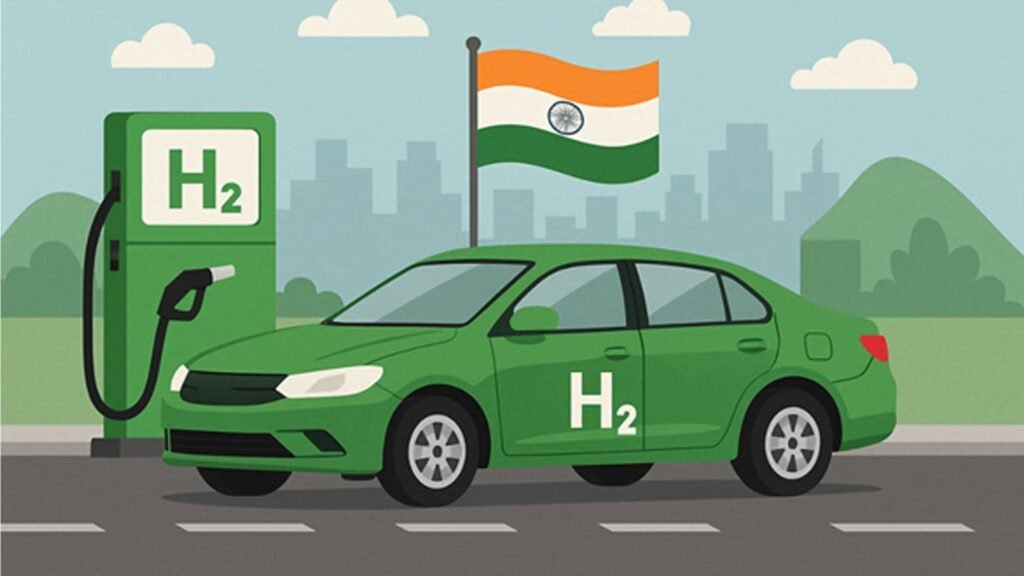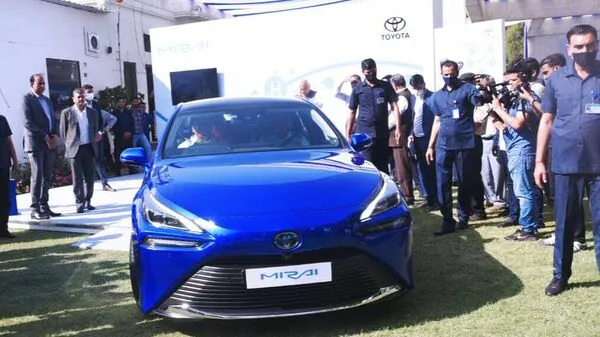
There’s something quietly fascinating about hydrogen fuel cars. Maybe it’s the idea of emitting nothing but water vapor, or maybe it’s the promise of driving long distances without worrying about charging stops. Either way, the concept feels futuristic — almost too good to be true. And yet, here we are, watching global automakers experiment with hydrogen as if it’s the next big thing. But in India, things are never that simple, are they?
The Idea Sounds Perfect on Paper
Hydrogen fuel cell vehicles (FCVs) work differently from electric vehicles. Instead of storing electricity in batteries, they generate it on the go by combining hydrogen with oxygen. The result? Electricity to power the car and water as the only byproduct. No smoke, no carbon emissions, no guilt.
On paper, it feels like the ultimate clean mobility solution — especially for a country like India, where pollution is still a serious concern. Long range, fast refueling, and zero emissions… what’s not to like?
Related readingWhat I Wish I Knew Before Buying a Used Electric Car
But reality tends to complicate things.
Infrastructure: The Elephant in the Room
If you’ve ever struggled to find a charging station for your EV on a highway, imagine trying to find a hydrogen fueling station. Right now, in India, they’re practically nonexistent.
Hydrogen needs specialized storage, transport systems, and fueling stations. This isn’t something that can be built overnight. It requires massive investment, government backing, and long-term planning. While countries like Japan and South Korea have already made strides, India is still taking baby steps.
And honestly, that’s not surprising. The EV ecosystem itself is still evolving here. Jumping straight into hydrogen without fixing current gaps might feel a bit… ambitious.
Related readingWhen Your Tires Start Thinking for You
Cost Is Another Story
Let’s talk money — because eventually, everything comes down to affordability in India.
Hydrogen cars are expensive. Not just the cars themselves, but the fuel too. Producing “green hydrogen” (the clean kind made using renewable energy) is still costly. Cheaper alternatives exist, but they aren’t as environmentally friendly.
For the average Indian buyer, who already weighs every rupee before buying a car, hydrogen vehicles don’t make much sense yet. Even electric cars, with all their incentives, are still considered premium by many.
Related readingLamborghini Urus Downpipes and Mercedes G63 AMG W463A Catted & Catless Downpipes
So expecting hydrogen cars to go mainstream anytime soon? That feels like a stretch.
Government Push: A Ray of Hope
Now, it’s not all pessimism. The Indian government has started showing interest in hydrogen through initiatives like the National Green Hydrogen Mission. The focus, at least for now, is more on industrial use and heavy transportation — buses, trucks, and maybe trains.
And that actually makes sense. Hydrogen might find its first real success in commercial vehicles where long range and quick refueling matter more than upfront cost.
Passenger cars? They might come later… much later.
Real-World Practicality
Here’s where things get interesting. When you step away from theory and look at real-world usage in India — chaotic traffic, unpredictable roads, diverse climates — you realize how complex adoption can be.
Electric vehicles already have a head start. Charging infrastructure is growing, battery technology is improving, and awareness is increasing. Hydrogen, on the other hand, still feels like an outsider trying to find its place.
That brings us to the big question people keep asking: Hydrogen fuel cars India me kab tak practical ho payenge?
The honest answer? Not anytime soon. At least not for everyday consumers.
EVs vs Hydrogen: Not Really a Competition
It’s tempting to compare hydrogen cars with electric vehicles, but maybe that’s the wrong approach. They might not be direct competitors after all.
EVs are great for city use, short commutes, and even medium-distance travel now. Hydrogen, if it succeeds, might shine in long-haul transport, logistics, and heavy-duty applications.
Think of it less like a battle and more like coexistence. Different tools for different problems.
The Road Ahead Feels Long — But Not Impossible
India has a habit of surprising everyone when it comes to technology adoption. Smartphones, UPI payments, even EVs — all saw slow starts before suddenly picking up pace.
Hydrogen could follow a similar path, but it will take time. A lot of time. We’re talking a decade or more before it even starts becoming somewhat practical for personal cars.
And even then, it will depend on factors like cost reduction, infrastructure growth, and policy support.
A Thought to End On
Sometimes, the most exciting technologies aren’t the ones that succeed immediately. They evolve quietly in the background, waiting for the right moment.
Hydrogen cars might be one of those stories.
For now, they remain a fascinating possibility — something to watch, discuss, and maybe even dream about. But if you’re planning your next car purchase in India today, hydrogen probably isn’t on the list.
Not yet, anyway.