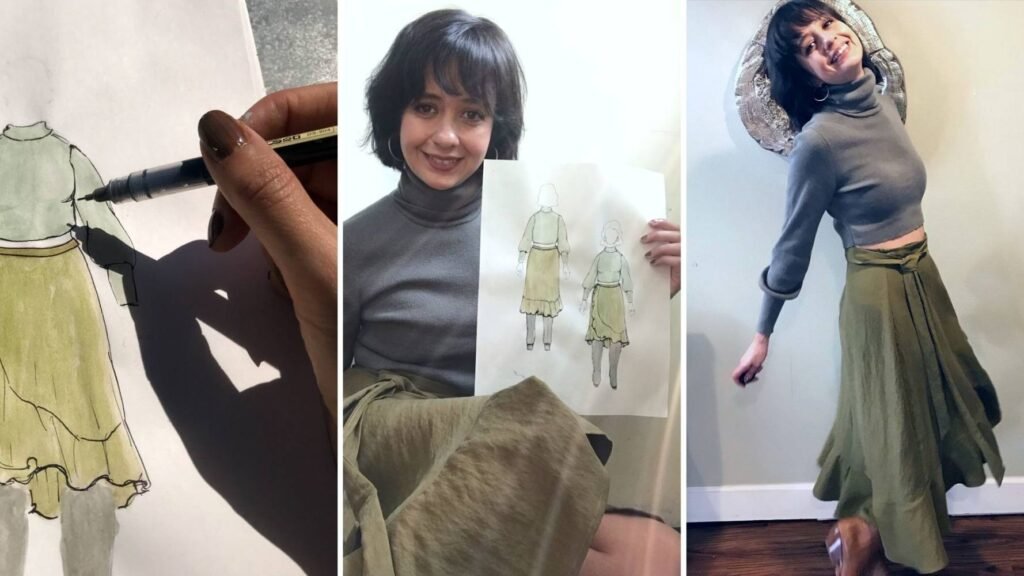
There was a time when fashion design felt almost sacred — a slow, intuitive process shaped by human hands, mood boards, late-night sketches, and a bit of chaos. Designers pulled inspiration from everywhere: old films, street corners, personal memories, even heartbreak sometimes.
Now, somewhere in the middle of all that, algorithms have entered the room.
And they’re not just assisting — they’re creating.
The First Time AI Feels… Creative
If you’ve ever seen AI-generated fashion concepts, you probably had that moment of pause. Not because they’re perfect — they’re often a bit strange — but because they’re unexpected. The patterns, the silhouettes, the combinations… things a human might hesitate to try.
That’s the thing about AI. It doesn’t have taste in the traditional sense. It doesn’t worry about trends or what will sell. It just generates possibilities based on data, sometimes leading to designs that feel oddly fresh.
Related readingThe Clothes We Wear, and the Quiet Cost Behind Them
Designers are beginning to use this as a starting point, almost like brainstorming with a machine that never runs out of ideas.
Creativity vs Calculation
There’s a quiet tension here, though.
Fashion has always been about expression — something deeply human. So when machines start generating designs, it raises questions. Are these designs truly creative, or just clever combinations of existing styles?
The answer probably lies somewhere in between.
AI doesn’t feel inspiration, but it can remix it at a scale humans can’t. It can analyze thousands of collections in seconds, identify patterns, and produce variations that might take a designer days or weeks to explore.
Related readingLily Arkwright Fine Jewellery Rings for Every Occasion
But the emotional layer? That still belongs to humans.
The Industry Is Paying Attention
Big brands and independent designers alike are experimenting with AI tools. Some use them to predict trends, others to create initial design drafts, and a few are even launching collections partially influenced by machine-generated ideas.
It’s not about replacing designers — at least not yet. It’s more about speeding things up, exploring more options, and reducing creative blocks.
Still, it’s hard not to wonder: AI-generated fashion designs ka future kya hai?
Because once technology enters a creative field, it rarely stays on the sidelines.
Fast Fashion Meets Faster Design
One area where AI could have a massive impact is fast fashion.
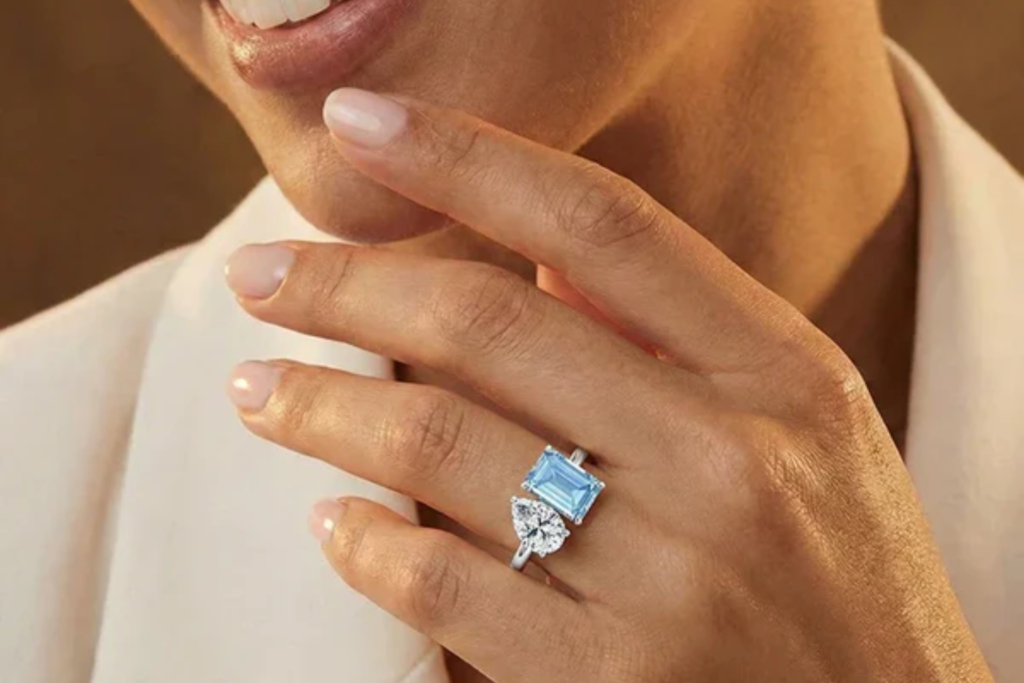
Related readingThe Most Stunning Vintage Lab Grown Aquamarine Rings by Lily Arkwright
Imagine a system that analyzes real-time social media trends, predicts what styles will go viral, and instantly generates designs ready for production. No waiting, no guessing — just immediate response.
For brands, this is incredibly appealing. For sustainability? Not so much.
Faster design cycles could mean even more overproduction, unless balanced carefully. It’s a double-edged sword — efficiency on one side, potential waste on the other.
The Democratization of Design
Here’s where things get interesting in a good way.
AI tools are making design more accessible. You don’t need to be formally trained or have expensive software anymore. Anyone with an idea can experiment, generate concepts, and bring their vision closer to reality.
Related readingFrom Side Streets to Spotlight: The Quiet Rise of Streetwear in India
This could open doors for new voices in fashion — people who might not have had the resources or connections before.
Of course, accessibility also means more competition. When everyone can create, standing out becomes harder. But maybe that’s not a bad thing. It pushes creativity further.
Will Designers Be Replaced?
Short answer? Probably not.
Longer answer — the role of designers might evolve.
Instead of starting from a blank page, designers could become curators of ideas. They might guide AI, refine outputs, add context, and bring emotional depth to otherwise mechanical creations.
Related readingModern Geometry: Discover Elongated Cushion Lab Diamond Designs
It’s less about losing control and more about collaborating in a different way.
And honestly, fashion has always evolved with technology — from sewing machines to digital pattern-making. This feels like the next step, just a bit more… intelligent.
The Human Touch Still Matters
At the end of the day, fashion isn’t just about how something looks. It’s about how it feels — when you wear it, when you see it, when it reminds you of something.
AI can generate designs, but it doesn’t understand nostalgia, identity, or cultural nuance the way humans do. At least, not yet.
That’s why the most compelling future isn’t AI versus humans. It’s AI with humans.
A Future That’s Still Being Stitched Together
We’re in that awkward, exciting phase where things are changing but not fully defined. AI in fashion isn’t a finished story — it’s still being written, tested, sometimes even misunderstood.
There will be experiments that fail, ideas that feel too artificial, and moments where people push back.
But there will also be breakthroughs — designs that surprise us, tools that empower creators, and new ways of thinking about style.
And maybe that’s the point.
Fashion has always been about change. Now, it’s just changing a little faster — and with a bit of code behind the scenes.